Irish Grand National Betting Odds Explained: Ante-Post, Each-Way Places, Handicap Weights and the Fairyhouse Factors
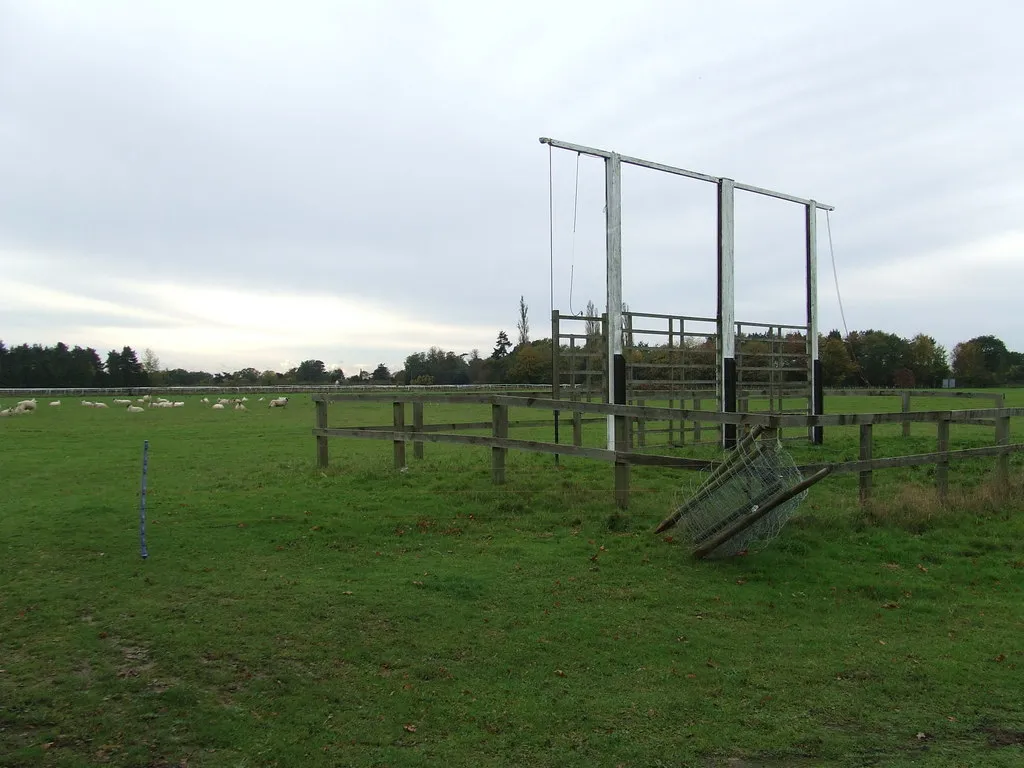
The Irish Grand National at Fairyhouse on Easter Monday is one of the biggest days in the Irish racing calendar, and for plenty of people it's the one race a year they have a bet on. With a big field, a long trip and a handicap that squeezes the runners together, the odds can look like a lottery. They're not quite that, but they're close. Here's how the betting works, from ante-post prices months out to the each-way terms on the day.
18+ only. Any odds or examples below are made up for illustration. Cloudbet, which we link to, is licensed in Curaçao and is not licensed by the Gambling Regulatory Authority of Ireland (GRAI). Irish gambling law changed in 2026; see our Irish law guide.
18+. Crypto deposits. Cloudbet is licensed in Curaçao and is NOT licensed by the GRAI. Irish gambling law changed in 2026: only GRAI-licensed operators may lawfully take bets from Irish customers. Ad: we may earn a commission. Bet only what you can afford to lose.
The race in brief
The Irish Grand National is a handicap steeplechase run over roughly three miles and five furlongs at Fairyhouse in Co. Meath, traditionally on Easter Monday. It usually attracts a large field, often well over 20 runners, and it's one of the richest jump races run in Ireland. Because it's a handicap, horses carry different weights based on their official ratings, with the aim of giving every runner a theoretical chance. Check the official race conditions each year for the exact distance, prize money and maximum field.
Odds basics, quickly
Fractional odds like 20/1 mean €20 profit per €1 staked, plus your stake back. Decimal odds include the stake: 20/1 is 21.00. To get an implied probability, divide 1 by the decimal odds: 21.00 implies about 4.8%.
| Fractional | Decimal | Implied chance |
|---|---|---|
| 8/1 | 9.00 | 11.1% |
| 12/1 | 13.00 | 7.7% |
| 20/1 | 21.00 | 4.8% |
| 33/1 | 34.00 | 2.9% |
| 50/1 | 51.00 | 2.0% |
| 100/1 | 101.00 | 1.0% |
In a big-field handicap, the favourite might be around 8/1 or longer, and add up all the implied chances and you'll typically get well over 100%. The overround in big handicaps is often large, which is the bookmaker's built-in edge.
Why the odds look the way they do
It's a handicap
The handicapper allocates weights based on each horse's official rating. Better horses carry more weight. In theory, this squashes the field together, so many horses have similar chances. That's why there's rarely a short-priced favourite.
Big field
More runners means more ways for things to go wrong: falls, interference, horses being brought down, or getting stuck in traffic. Big fields also mean bigger overrounds.
Long trip
Three miles and five furlongs is a serious test of stamina. Horses that haven't run this far before are an unknown quantity, which the market has to guess at.
Ground
Spring ground at Fairyhouse can vary from good to soft or heavy depending on the weather. Some horses need soft ground, others want it quicker. When the going changes, so do the odds.
Popular yards and jockeys
Big Irish yards often have several runners. Horses from popular stables, or ridden by top jockeys, tend to attract a lot of money, which shortens their prices.
Ante-post betting: months out
Bookmakers start pricing the race well in advance, sometimes months before Easter. These "ante-post" odds can be bigger than you'll get on the day, because there's so much uncertainty. But there's a catch:
- If your horse doesn't run, you usually lose your stake. Horses get injured, go to other races, or don't get a place in the field.
- Weights aren't known yet until they're published, which can change a horse's chances.
- Ground is unknown.
- The horse might not get in. If the race is oversubscribed, horses lower in the ratings may not make the cut.
Non-runner no bet (NRNB)
Some bookmakers offer "NRNB" in the run-up to the race. If your horse doesn't run, your stake is returned. The trade-off: NRNB prices are often shorter than standard ante-post prices. Check exactly when NRNB applies and what it covers.
Day-of-race odds and the SP
On the day, you can take a fixed price, or the Starting Price (SP), which is the official price at the off. Some bookmakers offer Best Odds Guaranteed (BOG), paying the SP if it's bigger than the price you took. Big-race prices can move a lot in the final hours as money comes in, especially on horses with popular trainers or jockeys.
Each-way: the most popular bet on National day
An each-way bet is two bets: half on the horse to win, and half on it to place. For a big handicap like the Irish Grand National, standard terms are often four places at 1/4 of the odds, but around big races many bookmakers offer extra places, such as five, six or more, as a promotion. Terms vary, and the fraction can also differ, so always check.
Each-way example (illustrative)
€5 each-way (€10 total) at 25/1, with five places at 1/5 odds:
- Wins: win part returns €130 (€5 × 25 + €5), place part returns €5 × 5 + €5 = €30. Total €160.
- Finishes 2nd to 5th: place part returns €30. Total €30, a €20 profit on €10.
- Finishes 6th or worse: you lose €10.
Extra places increase your chance of a return, but the fraction of the odds may be lower. Compare terms across bookmakers.
Weights and ratings explained
Every horse has an official rating from the handicapper. In a handicap, the highest-rated horse carries "top weight", and others carry less according to how far below they're rated. If a horse is rated well below the minimum weight, it may have to carry more than its rating suggests: it's "out of the handicap", which is a disadvantage.
Points to think about:
- Horses whose ratings have risen after recent wins may be "badly handicapped" now.
- Horses who've dropped in the ratings may be "well handicapped" if they return to form.
- Claims by conditional jockeys can reduce weight, but they're less experienced.
Reserves, declarations and late changes
If the race is oversubscribed, the top-rated horses up to the maximum field get in, and others are listed as reserves. Reserves can come in if declared runners are withdrawn before a set deadline. If your ante-post horse is a reserve, it might not run.
After the final declarations, late withdrawals can still happen. If a horse is withdrawn too late to be replaced, bookmakers may apply a Rule 4 deduction to winning bets placed before the withdrawal, depending on the withdrawn horse's price. SP bets are usually unaffected.
The Tote
Tote betting pools all bets, takes a deduction, and shares out the rest among winners. Tote dividends in big handicaps can be much bigger, or smaller, than the SP. The Tote also runs place, exacta and trifecta pools, where you pick the first two or three in order. These can pay a lot but are very hard to land.
Fairyhouse factors
- Fairyhouse is a right-handed track. Some horses go better one way round than the other.
- The fences and layout suit good jumpers; mistakes in a big field can be costly.
- Previous form at Fairyhouse, or in similar staying handicaps, can be a useful pointer.
- Easter weather can be changeable, so the ground can change between declarations and the race.
How to approach a bet sensibly
- Wait for weights and declarations if you don't want to risk an ante-post non-runner.
- Check the going and the forecast.
- Look for proven stamina, or strong reasons to think a horse will stay.
- Consider jumping record and experience in big fields.
- Think about the weight and rating, and whether the horse is well handicapped.
- Compare each-way terms across bookmakers.
- Stake an amount you're happy to lose, because most bets in this race lose.
Common mistakes
- Thinking the favourite is a good thing. In big handicaps, favourites often lose.
- Backing too many horses. Covering half the field rarely makes money after the overround.
- Ignoring each-way terms. Extra places offers vary a lot.
- Ante-post without NRNB. Plenty of ante-post bets are lost before the race even starts.
- Picking by name or colours. Grand National sweepstakes are fun. Just don't treat them as research.
Where Cloudbet fits in
Cloudbet lists horse racing markets on major meetings, with decimal odds and crypto. Availability and each-way terms on Irish races vary, so check on the day. Cloudbet is not licensed by the GRAI, so there's no Irish complaints route and Irish safer-gambling rules don't apply. For those protections, use a bookmaker on the GRAI register or bet on course or with the Tote. We never explain how to get around blocks or restrictions.
A bit of history
The Irish Grand National was first run in 1870 and has been held at Fairyhouse throughout its history, making it one of the oldest major races in Irish sport. It has been won by some famous names over the years, and for many families the Easter Monday trip to Fairyhouse is a tradition. That history is part of the appeal, but it doesn't help much with the odds: the race changes every year with new horses, new weights and new conditions.
Irish Grand National vs the Aintree Grand National
| Irish Grand National | Aintree Grand National | |
|---|---|---|
| Course | Fairyhouse, Co. Meath | Aintree, Liverpool |
| Timing | Easter Monday, usually | April, usually |
| Distance | About 3m5f | Longer, over 4 miles |
| Fences | Standard park fences | Unique Grand National fences |
| Field | Large | Larger maximum field |
| Type | Handicap chase | Handicap chase |
Both are big-field handicaps with lots of uncertainty, so similar betting principles apply. The fences and distance at Aintree are unique, so form at one doesn't always transfer to the other.
18+. Crypto deposits. Cloudbet is licensed in Curaçao and is NOT licensed by the GRAI. Irish gambling law changed in 2026: only GRAI-licensed operators may lawfully take bets from Irish customers. Ad: we may earn a commission. Bet only what you can afford to lose.
An overround example
Here's a made-up, simplified example of a 24-runner field to show how the bookmaker's margin builds up. Imagine the prices break down like this:
| Runners | Price each | Implied chance each | Total |
|---|---|---|---|
| 2 | 8/1 (9.00) | 11.1% | 22.2% |
| 4 | 12/1 (13.00) | 7.7% | 30.8% |
| 6 | 20/1 (21.00) | 4.8% | 28.6% |
| 6 | 33/1 (34.00) | 2.9% | 17.6% |
| 6 | 50/1 (51.00) | 2.0% | 11.8% |
| Total book | about 111% | ||
A book of about 111% means the bookmaker has a margin built in. In real big-field races, books are often even higher. The practical lesson: backing lots of horses to "cover" the race costs you that margin many times over.
Dutching: what it is and why it rarely helps
"Dutching" means backing several horses in the same race with stakes calculated so you make the same profit whichever of them wins. It can make sense if you genuinely think a few horses are underpriced. But in a big handicap, it doesn't beat the overround on its own; it just spreads your money. If you dutch five horses and none of them win, you lose the lot. Use it only if you have real reasons for each selection.
How weights work in practice
In jump racing, weights are in stones and pounds. As a very rough rule of thumb used by many punters, a pound of weight is often thought of as roughly equal to a length over longer distances, though this varies a lot by race and conditions. If one horse is rated 10 pounds higher than another, it carries 10 pounds more in a handicap (subject to the weight range). The handicapper's aim is that, on their ratings, they'd finish together. Your job, if you're betting, is to find horses whose ratings understate their ability, maybe because they're improving, or because the conditions suit them better than previous races did.
How prices move in the run-up
Prices change for many reasons:
- Weights published: horses that look well treated often shorten.
- Trial runs: a good prep run, often at the Cheltenham Festival or in Irish trial races, can shorten a horse.
- Stable news: a trainer saying the race is the plan, or a horse having a setback.
- Ground: rain or a dry spell in the final week.
- Jockey bookings: a top jockey choosing one horse over another from the same stable.
- Public money: popular horses get heavily backed by casual punters on the day.
A price shortening doesn't mean a horse will win, and a drift doesn't mean it won't. Moves are information, not guarantees.
Forecasts, tricasts, exactas and trifectas
For the brave, you can try to pick the first two or three in order. Bookmakers offer forecasts and tricasts, while the Tote offers exactas and trifectas. In a big field, the payouts can be enormous, but the odds of landing one are very long. A small stake on a combination of a few horses is a common way to have a go. Just know it's mostly about luck.
The Easter Festival at Fairyhouse
The Irish Grand National is the centrepiece of Fairyhouse's Easter Festival, with other quality races on the surrounding days. If you go, plan for traffic, as crowds on Easter Monday are big. Bring cash if you want to bet with on-course bookmakers, set your budget before you leave the house, and enjoy the atmosphere. Many people find a day at Fairyhouse is just as enjoyable with only a couple of small bets.
Sweepstakes and office draws
A sweepstake at work or with family is a lovely Easter tradition. If you're running one, keep the stakes small and make sure everyone involved is 18 or over. It's a nice reminder that racing can be fun without big money involved.
What to look for in a National type
Racing people talk about a "National type": a horse built for a long, demanding handicap chase. The usual qualities they look for include:
- Proven stamina: form over three miles or more, ideally finishing strongly.
- Sound jumping: a clean record over fences matters in a big field.
- Experience: horses who have run in big-field handicaps before are less likely to be overwhelmed.
- A workable weight: not so much that it's a struggle, and ideally a rating that looks fair.
- Suitable ground: form on similar going.
- A clear plan: horses aimed at the race by their trainers, rather than going there as an afterthought.
None of these guarantee anything, and plenty of winners have broken the mould. But they're a better starting point than picking by name.
Reading a racecard for the National
A racecard shows each horse's number, name, form figures, age, weight, jockey, trainer and official rating. A few tips:
- Form figures read right to left, with the most recent run on the right. "F" means fell, "U" unseated rider, "P" pulled up.
- A dash or slash in form usually marks a new season or a long break.
- Days since last run can show whether a horse is fresh or has had a recent run.
- Jockey claims are shown after a conditional or amateur rider's name.
- "C" and "D" symbols, where used, mark previous course and distance winners.
A simple staking plan for the day
An example for someone who wants a bit of fun without overdoing it:
- Set a total budget for the day, say €30.
- Pick two or three horses after reading the card and the going.
- Bet each one €5 each-way (€10 per horse) with the best each-way terms you can find, or fewer horses with smaller stakes.
- Don't add to it after the race, win or lose.
That's it. Most years, most people lose a bit and have a great time watching. That's the right way to think about it.
If your horse falls or is pulled up
In jump racing, a horse that falls, unseats its rider, refuses or is pulled up has run, so win and each-way bets on it lose. There's no refund. That's part of the risk in a race with so many fences and runners.
Bookmaker concessions around the race
In the build-up to big races, bookmakers compete for customers with concessions. Common ones include:
- Extra places on each-way bets.
- Non-runner no bet in the final weeks.
- Best Odds Guaranteed on the day.
- Money back if your horse finishes in a certain position, often paid as a free bet rather than cash.
These can genuinely improve the deal, but read the terms: some apply only to new customers, some pay out in bonus funds with conditions, and some have maximum stakes. Under Ireland's new regime, GRAI-licensed operators are subject to rules on promotions and inducements, so offers you see from Irish-licensed bookmakers should come with clear, regulated terms. Offshore sites aren't bound by those rules.
A final word on luck
Even the best judges get the Irish Grand National wrong most years. A loose horse, one bad jump or a change in the weather can undo all your research. Go in expecting to lose your stake, and anything you get back is a bonus. That mindset keeps the day enjoyable.
Checking results and settlement
After the race, check the official result, including any stewards' enquiry, before assuming how your bet has settled. Results can be amended after an objection or enquiry. If there's a dead heat for a place, your place stake may be split. If you're unsure how a bet was settled, ask the bookmaker for an explanation in writing.
Responsible gambling
National days are fun, and they're exactly the kind of day when people bet more than they planned. Decide your budget before you go, and keep a note of what you've spent. If gambling is causing harm for you or someone close to you, call the Problem Gambling Helpline, free and open 24/7, on 1800 936 725 (Northern Ireland: 08000 886 725). See our responsible gambling page.
In short
The Irish Grand National is a big-field, long-distance handicap chase, so the odds are spread across many runners and the bookmaker's margin is large. Ante-post prices are bigger but you risk non-runners; NRNB and BOG offers help; and each-way with extra places is the most popular way to bet. Weights, stamina, jumping and ground matter, but luck plays a big part. Bet small and enjoy one of the best days of the racing year.
Questions players ask
Where is the Irish Grand National run?
At Fairyhouse Racecourse in Co. Meath, traditionally on Easter Monday.
What does ante-post mean?
Betting well before the race, often for bigger odds, but you usually lose if your horse doesn't run.
What is non-runner no bet?
A concession where your stake is returned if your horse doesn't run.
How many places are paid each-way?
Often four at 1/4 of the odds in big handicaps, but many bookmakers offer extra places. Check the terms.
What is a Rule 4 deduction?
A reduction in winnings when a horse is withdrawn late, reflecting the easier race.
Is Cloudbet GRAI-licensed?
No. Cloudbet holds a Curaçao licence and is not licensed by the GRAI.
Where can I get help?
The Problem Gambling Helpline, 1800 936 725, free and open 24/7.
18+. Crypto deposits. Cloudbet is licensed in Curaçao and is NOT licensed by the GRAI. Irish gambling law changed in 2026: only GRAI-licensed operators may lawfully take bets from Irish customers. Ad: we may earn a commission. Bet only what you can afford to lose.
If betting is costing you more than money, free and confidential help is there 24 hours a day, 365 days a year: the Problem Gambling Helpline run by Dunlewey Addiction Services for Gambling Care, on 1800 936 725 (from Northern Ireland: 08000 886 725). Source: grai.ie.