Betting With Crypto and "No KYC" From Ireland: What It Really Means, What It Costs You, and the Questions to Ask First
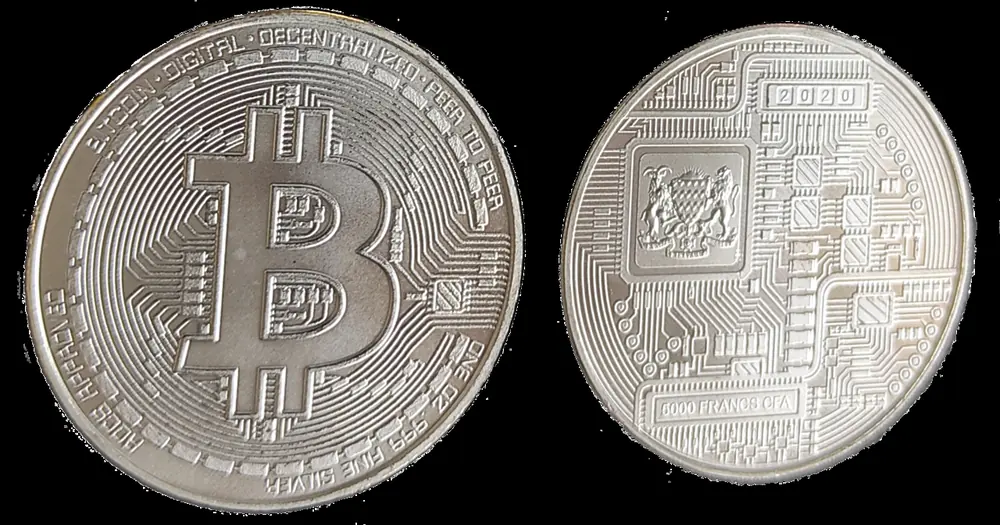
You've seen the banners: "Bet with crypto. No KYC. No ID. Instant payouts." If you're in Ireland and fed up uploading a passport and a utility bill every time you open an account, that pitch is tempting. Before you send a cent of Bitcoin or USDT anywhere on the strength of it, let me walk you through what "no KYC" actually means in practice, where the catches sit, and what you give up as an Irish punter by using an offshore crypto bookie.
This is an explainer, not a how-to. I'm not going to tell you how to dodge identity checks, because that is exactly how accounts get frozen and winnings vanish. I'll show you how these sites really work so you can make your own call with your eyes open. 18+ only. The operator we mention, Cloudbet, holds a Curaçao licence and is not licensed in Ireland: it holds no licence from the Gambling Regulatory Authority of Ireland (GRAI), so Irish player protections and the GRAI complaints route do not apply. If gambling is causing you problems, the free 24/7 Problem Gambling Helpline is 1800 936 725.
18+. Crypto deposits. Cloudbet is licensed in Curaçao and is NOT licensed by the GRAI. Irish gambling law changed in 2026: only GRAI-licensed operators may lawfully take bets from Irish customers. Ad: we may earn a commission. Bet only what you can afford to lose.

The short answer
"No KYC" in crypto betting almost always means "no ID needed to sign up and to bet small amounts". It very rarely means "we will never ask who you are". Every operator that holds any licence at all, including offshore ones in Curaçao, keeps the right to verify you, and most of them write a specific trigger into their terms: a deposit total, a withdrawal size, a suspicious pattern, or simply "at our discretion". When that trigger hits, you either verify or your balance sits there.
For Irish punters there's a second layer. Ireland's Gambling Regulation Act 2024 created the GRAI, which began licensing remote betting operators in 2026. A crypto bookie with a Curaçao licence is not part of that system. So "no KYC" is really two questions: how much ID will this site ask for, and what protection do I have if something goes wrong? The honest answers are "more than the banner says" and "not much".
What KYC actually is
KYC stands for "know your customer". It's the process a bank, crypto exchange or gambling operator uses to confirm who you are. Typically it's done in levels:
| Level | What they usually ask for | Why |
|---|---|---|
| Basic | Email, date of birth, country, sometimes a phone number | Age declaration, contact, location rules |
| Identity | Passport, driving licence or national ID card, plus a selfie or short video | Proving you are a real adult and the account holder |
| Address | Utility bill, bank statement or Revenue letter from the last three months | Proving where you live |
| Enhanced | Source of funds or source of wealth: payslips, exchange statements, wallet history | Anti-money-laundering checks on larger sums |
There are three reasons operators do this, and none of them go away just because you're paying in crypto:
- Age. Gambling is for adults only. KYC is how an operator proves it isn't taking bets from a 16-year-old with a crypto wallet.
- Money laundering. Almost every licensing body, Curaçao included, expects operators to stop criminals washing money through bets. Crypto attracts extra scrutiny here, not less.
- Fraud and bonus abuse. One person running ten accounts to farm sign-up offers is a constant headache for bookies. KYC is their main defence.
What "no KYC" usually means once you read the terms
| What the ad says | What it usually means in the terms |
|---|---|
| No KYC | No documents needed to sign up or for small deposits and withdrawals |
| Anonymous betting | You sign up with an email, but the site logs your IP, device and every wallet address you use |
| Instant withdrawals | Automatic for small amounts; large or unusual withdrawals go to manual review |
| No limits | No limits until a verification threshold is reached, then limits apply until you verify |
| We respect your privacy | We keep the right to request documents at any time, for any reason |
That last line is the important one. Read the terms and conditions of nearly any crypto sportsbook and you'll find a clause saying the operator may ask for identity documents whenever it wants, and may withhold or void winnings until you provide them. That clause is what turns "no KYC" into "KYC later".
A real example: how Cloudbet handles verification
Cloudbet is one of the longest-running crypto sportsbooks, so it's a useful example of how a mainstream crypto bookie actually handles this. Its terms describe tiered verification. At the first level, you can deposit and bet without uploading documents, but there are limits: a lifetime deposit limit of US$2,200 and a matching daily withdrawal limit. Once your cumulative deposits reach about US$2,200, the terms say verification is required. The second level asks for photo ID, proof of address and a face check, and removing those limits depends on passing it.
In plain terms: you can sign up, deposit some crypto, place bets and withdraw modest amounts without sending a passport. But if you're a regular punter, or you have one big win, you will hit the point where Cloudbet asks who you are. Plan for that from day one rather than being surprised by it.
Cloudbet also asks for phone verification before you can claim some rewards, which is another small piece of identity even at the lowest level.
Worth knowing: thresholds and procedures change. Always read the current terms on the operator's own site before depositing. What's written here reflects Cloudbet's published terms when this page was written, not a promise about the future.
Why the withdrawal is where KYC usually bites
Here's the pattern that catches people out. Deposits are easy. The site wants your money, so the deposit button works instantly, with no questions. Betting is easy too. The friction arrives when you try to take money out, especially a large amount after a good run.
That's when the operator's risk team looks at the account. They check whether you've used multiple accounts, whether your wallet addresses link to other users, whether your IP address and device look consistent, whether you claimed bonuses you weren't entitled to, and whether your deposits and bets look like someone laundering money rather than someone betting. If anything looks off, or you've simply crossed a threshold, a request for documents lands in your inbox.
If you can't or won't verify, the usual outcomes are:
- Your withdrawal is held until you verify.
- Your account is suspended.
- In the worst cases, under the terms, winnings are voided and only your original deposits are returned, or not even that if fraud is alleged.
And because the operator is not licensed in Ireland, there is no Irish regulator you can complain to if you think you've been treated unfairly. You'd be dealing with the operator's support team and then, possibly, its offshore licensing body, which is a slow and uncertain route.
The Irish legal picture in plain English
Ireland's gambling rules changed a lot in 2026. Here's what matters for anyone thinking about crypto betting:
- The Gambling Regulation Act 2024 created the Gambling Regulatory Authority of Ireland (GRAI). Its enforcement and complaints functions commenced in early 2026, and the first remote betting licences commenced on 1 July 2026.
- Licensed operators must follow Irish rules. That includes verifying customers, age checks, the planned national self-exclusion register, limits on inducements, and advertising rules.
- Offshore crypto bookies aren't licensed in Ireland. Cloudbet, with its Curaçao licence, isn't on the GRAI's books. That means no GRAI complaints route, no Irish self-exclusion protections, and no Irish oversight of how your money is held.
- No online casino licences yet. The GRAI has said gaming licences, which would cover online casino games, open later. So there's no Irish-licensed online crypto casino at all at the moment.
- Promotion of unlicensed operators is under scrutiny. The GRAI has warned that promoting operators without an Irish licence can itself be an offence. That's one reason you should treat any page, influencer or Telegram group pushing "no KYC" sites to Irish players with extra suspicion.
We're not lawyers, and this isn't legal advice. But the practical takeaway is simple: if you use an offshore crypto bookie from Ireland, you're stepping outside the protections Irish law now builds around licensed betting.
Anti-money-laundering rules don't stop at your crypto wallet
Ireland applies EU anti-money-laundering rules, and crypto exchanges that serve Irish customers have to register with the Central Bank of Ireland and run KYC on their users. Under the EU's MiCA regulation, crypto-asset service providers across the EU are licensed and supervised, and the "travel rule" means exchanges must collect and pass on information about who is sending and receiving crypto transfers.
Why does that matter for "no KYC" betting? Because the crypto you deposit probably came from an exchange that already knows exactly who you are. When you buy Bitcoin on a regulated exchange with your Irish bank card and send it to a bookie, that exchange has a record of your identity and the destination address. And when you withdraw winnings back to that exchange to cash out into euro, it sees the incoming transfer and may ask where it came from.
So the realistic picture is this: the bookie might not know your name for a while, but the money trail on either side of it usually does. "No KYC" is a feature of one link in the chain, not the whole chain.
What your bank may think
Irish banks have become cautious about crypto and gambling transactions. Large or repeated transfers from a crypto exchange into your current account can prompt questions, especially if they don't match your normal income. Have your records ready: exchange statements, wallet transaction IDs and a log of your bets. It's dull, but it saves stress if your bank ever asks.
Tax: betting winnings versus crypto gains
This is one area where Ireland is genuinely punter-friendly, but crypto adds a twist.
- Betting winnings: in Ireland, winnings from betting are generally not taxed as income for an ordinary punter. Bookmakers pay a betting duty on turnover instead.
- Crypto gains: crypto is treated as an asset by Revenue. If you dispose of crypto (sell it, swap it, or spend it) for more than you paid, any gain above the annual exemption of €1,270 is generally subject to Capital Gains Tax at 33%.
Here's where it gets fiddly. Suppose you buy €500 of Bitcoin, deposit it, and later withdraw Bitcoin worth €800 that you then sell for euro. Part of the change in value may be betting winnings, and part may be the movement in Bitcoin's price while you held it. Revenue's view on how to split that may depend on the facts. If you hold crypto that rises in value and then sell it, that's a disposal.
Keep a simple record of every deposit and withdrawal with the euro value at the time. If amounts become meaningful, talk to a tax adviser. "No KYC" at the bookie doesn't remove any tax obligation on your side.
The real risks of no-KYC crypto betting, ranked
Here's how I'd rank the risks, from most to least likely to actually hurt an ordinary Irish punter:
- Getting your withdrawal held. The most common bad outcome. You win, you request a payout, and the site asks for documents. If you verify, it's usually sorted in days. If you can't, the money is stuck.
- Losing more than you planned. Crypto betting is fast and frictionless. No card, no bank, no cooling-off from a licensed operator's tools. Many people lose track of spend because "it's just USDT" rather than euro.
- Price movements. If you deposit in Bitcoin or Ethereum, your balance moves with the market. A winning week can still leave you down in euro terms if the coin drops.
- Scam sites. "No KYC" is a favourite hook for fake casinos and bookies that simply take deposits and never pay. Without a regulator, there's little anyone can do.
- Sending crypto to the wrong place. Wrong network, wrong address, missing memo tag: crypto transfers are final, and mistakes are rarely recoverable.
- Account closure for terms breaches. Multiple accounts, bonus abuse or false details can lead to accounts being closed and winnings voided under the terms.
- No dispute route. If something goes wrong with an offshore operator, there's no Irish ombudsman or GRAI complaint to fall back on.
How to spot a dodgy "no KYC" crypto bookie
There are some long-standing names in crypto betting, and there are a lot of sites that appeared last month and will disappear next month with players' deposits. Warning signs:
| Red flag | Why it matters |
|---|---|
| No licence information at all in the footer | Not even an offshore licensing body to complain to |
| Licence number that doesn't check out on the regulator's register | Fake or borrowed licence claims are common |
| "Guaranteed" winnings, "sure bets", or huge bonuses with no terms | Classic scam bait |
| Terms that are copy-pasted, contradict themselves or mention a different brand | Sign of a template scam site |
| Withdrawal "fees" or "taxes" you must pay before getting paid | A legitimate bookie deducts network fees; it never asks you to send more crypto to unlock winnings |
| Contact only via Telegram or WhatsApp | No accountable support team |
| Promoted by influencers saying "no ID ever" | No licensed or offshore operator can honestly promise that |
| Domain registered very recently | Here today, gone tomorrow |
A quick search for the site name plus "withdrawal" or "scam" on forums is worth doing too. Look for patterns, not one angry review: everyone loses sometimes, but repeated stories of unpaid withdrawals are a different matter.
Questions to ask before you deposit anywhere
- What licence does the site hold, and does the number check out?
- Is Ireland on its list of restricted countries? If it is, you shouldn't be there at all, and any winnings can be voided.
- At what point does the terms page say verification is required: a deposit total, a withdrawal size, or at its discretion?
- What documents will it ask for at that point? Do you have them ready?
- What are the minimum and maximum withdrawals per coin, and what fees apply?
- How does it handle bonuses, and do bonus terms say anything about verification?
- Which crypto networks does it support for each coin? Is the network you plan to use on the list?
- What responsible gambling tools does it offer: deposit limits, time-outs, self-exclusion?
- How long has it been operating, and what do long-term users say about withdrawals?
If the answers to the verification questions are vague or missing, assume the worst: verification "at any time", with your balance on hold until it's done.
Bitcoin, Ethereum, USDT or Litecoin: which coin makes most sense for betting?
| Coin | Good for | Watch out for |
|---|---|---|
| USDT / USDC (stablecoins) | Keeping your balance stable in dollar terms; easier to track stakes | Pick the right network (e.g. Tron, Ethereum, Solana). Sending on the wrong one can lose funds. Still a dollar, not euro, so the exchange rate moves |
| Bitcoin (BTC) | Widely accepted; most liquid | Price swings; network fees can spike; confirmations can take a while |
| Ethereum (ETH) | Widely accepted; fast on layer-2 networks | Gas fees on mainnet; multiple networks to choose between |
| Litecoin (LTC) | Cheap, quick transfers | Fewer exchanges and bookies support it; price volatility |
For most punters, a stablecoin is easiest, because a €20 stake stays roughly a €20 stake. With BTC or ETH you're making two bets at once: one on the match and one on the coin.
Cloudbet, for reference, supports a long list of coins including BTC, ETH, USDT on several networks, USDC, LTC, SOL and others, with the specific network options shown on its deposit screen. Bridged or wrapped tokens that aren't listed aren't supported. Always copy the deposit address fresh and check the network before you send.
Protecting your crypto and your account
Whatever you decide, basic security matters more with crypto than with a bank card, because there's no chargeback:
- Use two-factor authentication on your exchange, your wallet and any betting account, ideally with an authenticator app rather than SMS.
- Never share your seed phrase. No legitimate support agent will ever ask for it. Anyone who has it owns your wallet.
- Use a unique password for every account, stored in a password manager.
- Double-check addresses before every transfer. Clipboard malware that swaps addresses is real.
- Send a small test amount the first time you use a new address or network.
- Bookmark the real site and use the bookmark. Phishing clones of crypto bookies are common, especially in search ads and social media links.
- Don't keep more on a betting site than you need. A betting balance isn't a savings account.
18+. Crypto deposits. Cloudbet is licensed in Curaçao and is NOT licensed by the GRAI. Irish gambling law changed in 2026: only GRAI-licensed operators may lawfully take bets from Irish customers. Ad: we may earn a commission. Bet only what you can afford to lose.
Bonuses and "no KYC": where the two collide
Many crypto bookies advertise big welcome packages. The bonus terms often contain their own verification triggers. Common patterns:
- The operator can ask for ID before paying out any winnings made with bonus funds.
- One bonus per person, household, device or IP address. Breaking this is the fastest way to get winnings voided.
- Phone verification required before claiming rewards.
- Bonus wagering requirements that must be met before withdrawal.
Cloudbet's welcome package, for example, is a 30-day rewards programme worth up to US$2,500, paid out through casino rakeback and cash drops, with sports bettors getting weekly sports cash drops. Its rewards terms describe the rewards as cash. But you still need to stay within the rules: one account, accurate details, and verification if asked.
My advice is simple. If you plan to take a bonus, assume you'll be asked to verify and be ready to do it. Don't treat a bonus as free money from a site that doesn't care who you are.
A sensible way to think about it
Here's how I'd approach crypto betting if I were starting out in Ireland today.
- Decide whether you need crypto at all. If what you really want is to bet on the GAA, the Premier League or Cheltenham, an Irish-licensed bookie gives you protections that no offshore crypto site can match. Crypto makes sense mainly if you already hold it and understand the risks.
- Accept that verification is likely. Treat "no KYC" as "less paperwork at the start", not "never". If you're not willing to verify when asked, don't deposit.
- Set a budget in euro. Write it down. Convert every deposit back into euro so you know what you've actually spent.
- Use a stablecoin if you want to keep things simple.
- Keep records of deposits, withdrawals and bets for your own peace of mind, and in case Revenue or your bank ever asks.
- Withdraw regularly. Don't let a balance build up on an offshore site.
- Stop if it stops being fun. Crypto betting has none of the cooling-off friction of a bank card. Be your own brake.
Responsible gambling: tools still matter with crypto
One of the biggest differences between an Irish-licensed bookie and an offshore crypto site is the safety net. Licensed operators in Ireland are expected to offer deposit limits, time-outs and self-exclusion, and the GRAI is building a national self-exclusion register. An offshore site may offer some tools, but it isn't bound by Irish rules, and the national register won't apply to it.
Signs that betting is becoming a problem include chasing losses, betting more than you can afford, hiding it from people close to you, borrowing to bet, or feeling anxious when you're not betting. If any of that sounds familiar, take a break and talk to someone. The Problem Gambling Helpline is free, confidential and open 24/7 on 1800 936 725. In Northern Ireland, call 08000 886 725. You can also block gambling sites on your devices with blocking software, and most crypto exchanges let you set withdrawal limits or freeze your account.
Common myths about no-KYC crypto betting
"Crypto is anonymous, so nobody can trace my bets."
Most blockchains are public ledgers. Every transaction is recorded forever. If your wallet ever touches a regulated exchange, your identity can be linked to it. "Pseudonymous" is a better word than "anonymous".
"No KYC means they can't refuse to pay me."
The opposite, often. Without verification, the operator has more grounds to hold payments, not fewer. Its terms almost always reserve the right to ask for documents before paying.
"Offshore sites are illegal to use in Ireland."
The law targets operators and promoters more than individual punters. But using an unlicensed operator means you have no Irish protection, and some operators' terms bar players from countries where they aren't licensed. Check the restricted-countries list.
"Crypto winnings aren't taxed."
Betting winnings for an ordinary punter generally aren't taxed in Ireland. Gains on crypto itself can be subject to Capital Gains Tax when you dispose of it. The two can overlap, so keep records.
"A big bonus means the site is legit."
Scam sites offer the biggest bonuses of all, because they never intend to pay. Judge a site on its licence, terms and withdrawal record, not on its welcome offer.
A worked example: how a "no KYC" experience can unfold
Imagine Seán in Galway. He holds some USDT from an Irish-registered exchange, which verified him when he signed up. He opens an account at a crypto sportsbook with just an email address and deposits 200 USDT. Over a few weeks he bets on the Premier League and the Six Nations, deposits a bit more, and has a lucky treble that leaves him with 3,000 USDT.
He requests a withdrawal of 2,500 USDT. The bookie's system notes that his cumulative deposits have crossed its verification threshold and that the withdrawal is above its unverified daily limit. He gets an email asking for photo ID, proof of address and a selfie.
Seán uploads his passport and a recent bank statement. Two days later, the account is verified and his withdrawal goes through. He sends the USDT back to his exchange, which asks him a few questions about the source of the funds because the amount is larger than usual. He shows the bet history. Everything is fine.
Now imagine Seán had signed up with a fake name, or opened a second account to claim another bonus. At the verification step, the names wouldn't match, or the risk team would link the accounts. His winnings could be voided under the terms, and with no Irish licence involved, he'd have nobody to appeal to.
The lesson: "no KYC" worked fine right up to the moment it mattered. What protected Seán was being honest from the start.
Frequently confused terms
- KYC: know your customer, identity checks.
- AML: anti-money laundering, the wider rules KYC is part of.
- Source of funds: evidence of where the money you're gambling came from.
- Travel rule: EU rule requiring crypto providers to share sender and recipient information on transfers.
- MiCA: the EU regulation for crypto-asset service providers.
- GRAI: Gambling Regulatory Authority of Ireland, the new regulator.
- Curaçao licence: an offshore gambling licence. It is not an Irish licence.
- Self-exclusion: a tool that blocks you from gambling for a set period.
- Network: the blockchain a token moves on, such as Tron or Ethereum for USDT.
- Memo / destination tag: an extra identifier some coins need on deposits. Missing it can lose funds.
Irish-licensed bookie versus offshore crypto bookie: side by side
| Question | GRAI-licensed Irish bookie | Offshore crypto bookie (e.g. Curaçao-licensed) |
|---|---|---|
| ID checks | Up front, before or soon after your first deposit | Often deferred until a threshold, then required |
| Payment methods | Cards, bank transfer, e-wallets in euro | Crypto, sometimes cards via third parties |
| Currency of your balance | Euro | Coin or stablecoin; you carry exchange-rate risk |
| Complaints | Operator first, then the GRAI | Operator first, then the offshore licensing body |
| Self-exclusion | Operator tools and the planned national register | Operator tools only, if offered |
| Advertising and bonus rules | Irish rules on inducements and marketing apply | Irish rules don't bind the operator |
| Speed of withdrawals | Usually one to five working days to a bank | Can be minutes for small verified amounts; manual review for large ones |
| Who knows who you are | The bookie and your bank | Eventually the bookie, plus your exchange and possibly your bank |
Looking at it that way, the main thing an offshore crypto bookie offers is speed and coin choice. What it costs you is the Irish safety net. Whether that trade is worth it is your call, but it should be a conscious one.
If a withdrawal is held: what to do, step by step
- Don't panic, and don't open a new account. A second account almost always makes things worse.
- Read the email carefully. Note exactly which documents are requested and the format they want: colour scans, all four corners visible, dates readable.
- Check the email is genuine. Log in through your bookmarked site and look for the same request in your account. Phishing emails pretending to be verification requests are common.
- Upload only through the official site, never by replying to a random email address or through a Telegram "support agent".
- Make sure the details match. The name and date of birth on your ID must match what you entered at sign-up. Your proof of address should be recent, usually within three months.
- Keep a record. Screenshot your balance, the withdrawal request, the documents you uploaded and every support message, with dates.
- Follow up politely after the stated review time. Ask for a reference number and an expected timeframe.
- Escalate if needed. If the operator stops responding, check which body issued its licence and whether that body has a complaints process. Be realistic: offshore complaints can take months.
Most of the time, an honest player with matching documents gets paid. The horror stories usually involve mismatched details, multiple accounts, bonus abuse, or a site that was never going to pay anyone.
Why people want "no KYC" in the first place, and better answers
It's worth being honest about why the phrase is so popular. Most people searching for it aren't criminals. The usual reasons are more ordinary:
- "I'm sick of uploading documents." Fair enough. But a licensed Irish bookie usually only asks once. An offshore one may ask at the worst possible moment, when you're trying to withdraw.
- "I don't trust sites with my passport." A real concern, given data breaches. The answer is to use fewer, better-established sites and to check how they store documents, not to pick sites that will ask later anyway.
- "I don't want gambling on my bank statement." Understandable, especially with mortgage applications. But crypto bought from an exchange still leaves a trail, and a lender may ask about regular exchange transfers too.
- "I want fast payouts." Speed is a real advantage of crypto. It comes with the risks covered above.
If your main concern is privacy of your documents, ask the operator how it stores them, whether it uses a recognised identity-verification provider, and how long it keeps your data. Under GDPR you also have rights over your personal data with any company that serves EU residents.
A note for readers in Northern Ireland
If you live north of the border, the rules are different. Northern Ireland isn't covered by the GRAI. Gambling there still runs under the Betting, Gaming, Lotteries and Amusements (Northern Ireland) Order 1985, which predates online betting, and Great Britain's Gambling Commission doesn't regulate NI in the same way it does England, Scotland and Wales. In practice most NI punters use bookies licensed in Great Britain, which carry out full KYC up front. Many offshore crypto sites also restrict UK users entirely. If you're in NI, check the operator's restricted-countries list carefully, because "United Kingdom" on that list includes you. The NI problem gambling helpline is 08000 886 725.
Quick checklist before you bet with crypto
- I've read the operator's verification and restricted-countries terms.
- I know the deposit or withdrawal level where ID will be requested.
- My account details are real and match my documents.
- I have one account only, and I'm not using anyone else's.
- I've set a monthly budget in euro and written it down.
- I know which coin and network I'm sending, and I've tested with a small amount.
- Two-factor authentication is on for my exchange, wallet and betting account.
- I keep a simple log of deposits, withdrawals and euro values.
- I understand the operator isn't licensed in Ireland and the GRAI can't help me with a dispute.
- I know the helpline number: 1800 936 725.
If you can't tick every box, wait until you can. Nothing about the next match is so urgent that it's worth skipping these.
What a decent crypto bookie should tell you up front
A trustworthy operator doesn't hide its verification rules in clause 18 of a forty-page document. At a minimum, its help centre should explain clearly which verification levels exist, what triggers each one, which documents it accepts, how long reviews take, what limits apply before you verify, and how it stores your documents. If you have to dig through support chats to find out when you'll be asked for ID, treat that as a warning sign in itself. Cloudbet, to its credit, publishes its verification levels and limits in its terms and help centre, which is exactly what you should expect from any site before you deposit a cent.
My take
"Bet with crypto, no KYC" is a marketing line, not a promise. In practice, you can usually sign up and bet small amounts without documents, but the moment you deposit more, win big or trip a risk check, you'll be asked who you are. The crypto you use almost certainly passed through an exchange that already knows. And from Ireland, an offshore crypto bookie means stepping outside the GRAI's protections entirely. Cloudbet, which we use as the example here, holds a Curaçao licence and is not licensed in Ireland.
If you go ahead anyway, do it the honest way: one account, real details, documents ready, a budget in euro, regular withdrawals, and good wallet security. And if betting stops being a bit of fun, ring 1800 936 725. It's free, confidential and there 24/7.
Questions players ask
Can you bet with crypto without KYC from Ireland?
Many crypto bookies let you sign up and bet small amounts without documents, but their terms let them ask for ID at any time, usually when deposits or withdrawals pass a threshold. Treat 'no KYC' as 'KYC later'.
Does Cloudbet require KYC?
Cloudbet's terms describe tiered verification. You can start without documents, but there's a lifetime deposit limit of about US$2,200 and a daily withdrawal limit at that level. Beyond that, photo ID, proof of address and a face check are required.
Is Cloudbet licensed in Ireland?
No. Cloudbet holds a Curaçao licence and is not licensed by the Gambling Regulatory Authority of Ireland, so Irish player protections and the GRAI complaints route do not apply.
Are crypto betting winnings taxed in Ireland?
Betting winnings for an ordinary punter generally aren't taxed as income in Ireland, but disposing of crypto can trigger Capital Gains Tax on any gain above the €1,270 annual exemption. Keep records and take advice if the amounts are significant.
Is crypto betting anonymous?
Not really. Blockchains are public, and the exchanges most people use to buy crypto verify their customers. Crypto is pseudonymous at best.
What happens if I refuse to verify?
Typically your withdrawal is held or your account is suspended. Under some terms, winnings can be voided.
Where can I get help with problem gambling in Ireland?
Call the free, confidential Problem Gambling Helpline on 1800 936 725, open 24/7. In Northern Ireland, call 08000 886 725.
18+. Crypto deposits. Cloudbet is licensed in Curaçao and is NOT licensed by the GRAI. Irish gambling law changed in 2026: only GRAI-licensed operators may lawfully take bets from Irish customers. Ad: we may earn a commission. Bet only what you can afford to lose.
If betting is costing you more than money, free and confidential help is there 24 hours a day, 365 days a year: the Problem Gambling Helpline run by Dunlewey Addiction Services for Gambling Care, on 1800 936 725 (from Northern Ireland: 08000 886 725). Source: grai.ie.