Irish Grand National Horses Odds: How to Read Every Line on the Runners Board and Judge a Horse's Price at Fairyhouse
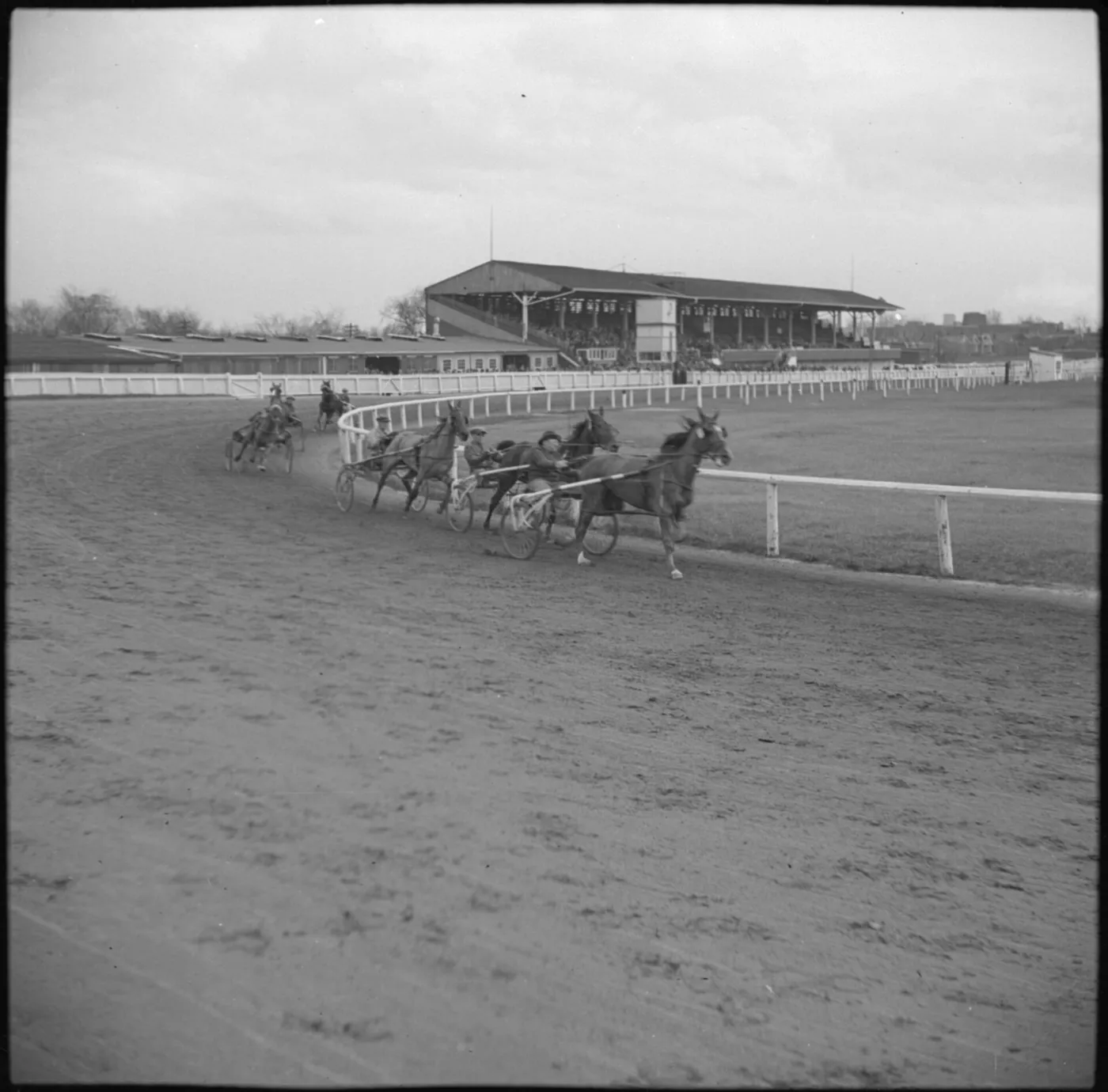
Every Easter Monday the same thing happens in kitchens and pubs all over Ireland: someone pulls up the list of Irish Grand National horses and their odds, and everyone picks one because of the name, the colours or the jockey. Grand. But if you want to actually understand what you're looking at, there's a lot packed into each line of that list. This guide goes through the runners one line at a time, explains what the price next to each horse is telling you, and shows how to decide whether a particular horse's odds are fair or a bit of a rip-off.
18+ only. Every horse name and price in this article is invented for illustration; none of it is a tip. The bookie we link to, Cloudbet, is licensed in Curaçao and is not licensed in Ireland: the Gambling Regulatory Authority of Ireland (GRAI) hasn't licensed it, so Irish player protections and complaint routes don't cover you there. Betting on course at Fairyhouse, with the Tote or with a GRAI-licensed bookmaker are all fine alternatives. If gambling is causing you bother, ring the free, confidential Problem Gambling Helpline (Gambling Care / Dunlewey) on 1800 936 725, any hour.
18+. Crypto deposits. Cloudbet is licensed in Curaçao and is NOT licensed by the GRAI. Irish gambling law changed in 2026: only GRAI-licensed operators may lawfully take bets from Irish customers. Ad: we may earn a commission. Bet only what you can afford to lose.
First, what this page is (and isn't)
We already have a general explainer on how Irish Grand National betting odds work: ante-post, each-way terms, Rule 4, the Tote and so on. This page is narrower. It's about the horses themselves: how to read the runners list, what the odds beside each horse mean, and how to size up one horse against another. Think of it as learning to read the racecard and the odds board together, so the price stops being a random number and starts telling you a story.
The race in one paragraph
The Irish Grand National is a staying handicap chase at Fairyhouse in Co. Meath, run on Easter Monday over roughly three miles and five furlongs. Fairyhouse is a right-handed track, and the race is a long, fair test with plenty of fences rather than the unusual obstacles of Aintree. Fields are big, often 20 to 30 runners, and the handicap is designed to bunch them together. That's why you'll rarely see a short-priced favourite and why the list of horses' odds looks so crowded. Always check the official race conditions for the year: dates, distance, prize money and maximum field can change.
Reading one runner's line, piece by piece
Whether you look at a newspaper racecard, a bookie's app or the screen at Fairyhouse, each horse comes with a block of information. Here's an invented example:
| No. | Form | Horse | Age | Weight | OR | Jockey | Trainer | Odds |
|---|---|---|---|---|---|---|---|---|
| 7 | 3P-2141 | Bog Road Rambler | 9 | 10-11 | 142 | A. Byrne (5) | M. Kelly | 16/1 |
Number
The saddle-cloth number. In a handicap, number 1 is usually the top weight, the horse carrying the most, and the numbers go down the weights from there. So a low number generally means a better-rated horse, not a better chance.
Form figures
The string of numbers and letters shows recent finishing positions, read left to right with the most recent run on the right. A hyphen separates seasons. In our example, 3P-2141 means: third, pulled up, then (new season) second, first, fourth and first last time. The letters you'll see most in a big chase:
- F fell
- U unseated rider
- P pulled up
- B brought down by another horse
- R refused
- 0 finished outside the first nine
For a three-mile-five-furlong chase, a string full of Fs and Us is a warning sign. Plenty of Ps can mean the horse doesn't stay or simply hasn't been on song.
Age
Staying handicap chasers are usually mature horses, often somewhere between seven and eleven. Younger horses can be progressive and well handicapped; older ones have proven stamina but may be on the way down the weights for a reason.
Weight
Written in stones and pounds: 10-11 is 10 stone 11 pounds. In a handicap, more weight usually means a higher-rated horse. The gap between top and bottom weight can be a couple of stone. A pound or two doesn't sound like much, but over this trip racing people reckon it adds up to lengths at the finish.
OR (official rating)
The handicapper's assessment of the horse's ability, in pounds. The higher the number, the better the handicapper rates it. The weight each horse carries comes from this number. If a horse has been running to a higher level than its OR suggests, it might be "well handicapped", which is the holy grail in races like this.
Jockey and claim
A number in brackets after the jockey, like (5), is a claim: a less experienced jockey is allowed to take that many pounds off the horse's weight. In our example the horse would actually carry 10-6 instead of 10-11. Some trainers book a good claiming rider deliberately to get a lighter weight; others want the experience of a senior jockey in a race this demanding.
Trainer
Irish staying handicaps are often dominated numerically by a handful of big yards, which may run several horses each. A horse from a big yard isn't automatically better, but the market usually treats it with respect.
Odds
Finally, the price. 16/1 means a €1 stake wins €16 profit, plus your €1 back. As a decimal that's 17.00, and the implied chance is 1 ÷ 17, about 5.9%. That number is the market's opinion of this horse's chance, with the bookmaker's margin baked in.
Reading the whole list: the shape of the market
Once you can read a single line, step back and look at the whole board. A typical Irish National betting list sorts horses by price, and it tends to fall into bands. Here's an invented field to show the idea:
| Band | Example prices | Implied chance (each) | What it usually means |
|---|---|---|---|
| Market leaders | 7/1 to 12/1 | about 8% to 12.5% | Proven stayers, well-fancied from big yards, or a progressive horse the market has latched on to |
| The chasing pack | 14/1 to 25/1 | about 4% to 6.7% | Solid handicappers with a real chance if things go right |
| Each-way outsiders | 28/1 to 50/1 | about 2% to 3.4% | Horses with a question mark: stamina, form, weight or jumping |
| Big outsiders | 66/1 and bigger | under 1.5% | Horses the market thinks need a lot to go right |
Notice how even the favourite has, according to the market, roughly a one-in-ten chance. That's the nature of this race. When people say "anything can win the National", they're half right: a lot of horses can win it, and the odds reflect that, but the favourites still have a better chance than the 100/1 shots.
The big field means a big margin
Add up the implied chances of every horse in a 28-runner handicap and you'll get well over 100%. That surplus is the bookmaker's edge, and it's bigger in a race like this than in, say, a two-horse tennis match. Practically, it means each horse's price is a little shorter than its "fair" price would be. Shopping around between bookmakers for the best price on the horse you like is one of the few edges every punter has.
Why the top weight isn't necessarily the favourite
New punters often assume the horse at the top of the weights is the best bet, because it's the best-rated horse. But the whole point of the handicap is to cancel out that advantage by making it carry more. Over three miles and five furlongs, on what can be soft spring ground, carrying top weight is a real burden. The market knows this, so the top weight is often not the favourite.
Equally, the horse at the very bottom isn't necessarily well in. Some horses at the foot of the handicap are there because they're only just good enough to get into the race.
Out of the handicap
Every handicap has a minimum weight. If a horse's rating is so low that its correct weight would be below that minimum, it has to carry the minimum anyway. It's then said to be "out of the handicap" (sometimes shown as "long handicap" weight on the racecard), and it's effectively carrying more than the handicapper thinks it deserves. Those horses tend to be big prices, and usually for good reason.
How one horse's odds change from January to the off
A horse's price isn't one number. It's a journey. Here's an invented example of how a single runner's odds might move across a season:
| Stage | What happens | Our invented horse's price |
|---|---|---|
| Early entries | A large list of possible runners is published; nobody knows who'll run | 33/1 |
| Wins a staying handicap in the winter | Shows stamina and form | 20/1 |
| Weights published | Gets a mark many think is lenient | 14/1 |
| Trainer says the horse is "on target" | Money comes in | 12/1 |
| Rain forecast; the horse prefers good ground | Drifts | 16/1 |
| Final declarations | Big-name jockey booked; a rival withdraws | 11/1 |
| Race morning | Weight of money on the day | 10/1 |
The lesson: when you see a horse's odds, ask what stage the market is at. Before the weights and declarations are known, prices carry more uncertainty. Closer to the race they carry more information, but they're usually shorter.
What drives a horse's price to move
- Weights. A horse that gets a mark below what it's been running to will shorten.
- Ground. Every horse has a preference. If the going changes towards a horse's favoured ground, money arrives.
- Jockey bookings. When a top jockey with several possible rides picks one, that horse often shortens.
- Trainer comments. Positive noises from the yard tend to shift the market.
- Trial runs. A good run in a winter staying chase or at the Cheltenham Festival can transform a horse's price, though horses that had a hard race at Cheltenham may not have long to recover, depending on how late Easter falls.
- Weight of money. Sometimes a horse shortens simply because lots of people like its name or story. That's not information, and it's worth noticing.
Building your own odds: a simple tissue
Professionals make a "tissue": their own price for every horse before they look at the bookmakers' odds. You can do a rough version in twenty minutes with a pen and the racecard.
- Cross out the horses you think have almost no chance. Be ruthless: maybe ten or more of a big field.
- Give each remaining horse a percentage chance. Make sure they add up to about 100% across the whole field, leaving a few percent for the ones you crossed out.
- Turn your percentages into odds. Divide 100 by the percentage to get decimal odds. 10% becomes 10.00 (9/1); 5% becomes 20.00 (19/1).
- Compare with the bookies. If your price on a horse is shorter than the market's, the horse might be value in your eyes. If the market price is shorter than yours, leave it.
A worked example (invented)
| Horse | Your chance | Your odds | Bookie's odds | Verdict |
|---|---|---|---|---|
| Bog Road Rambler | 8% | 11/1 | 16/1 | Bigger than your price: possible value |
| Kilcock Lad | 10% | 9/1 | 7/1 | Shorter than your price: leave it |
| Slaney Mist | 4% | 24/1 | 25/1 | About fair: no strong reason either way |
| Ratoath Queen | 2% | 49/1 | 66/1 | Bigger, but tiny chance; small each-way at most |
Your percentages will often be wrong, and that's fine. The point of the exercise is to make you think about chances rather than names, and to stop you backing a horse at 7/1 when you honestly think it's a 9/1 shot.
What a Fairyhouse National type looks like
When you're scanning the list of horses, these are the boxes racing people tend to tick. None of them guarantees anything, but a horse missing several is a horse the market is right to be wary of.
Proven stamina
Has the horse won or run very well over three miles or more, ideally in a competitive chase? Three miles and five furlongs is further than most horses ever race. Form over shorter trips doesn't guarantee it'll last home.
Handicap chase experience
Big-field handicaps are rough. Horses get jostled, fences come up quickly and there's little room. A horse that has handled big fields before is a safer bet than a lightly raced novice, even if the novice has more scope.
Clean jumping
Look through the form figures for falls and unseats. One fall isn't a disaster; a pattern is. Some racecards and form guides also note jumping errors in their comments, which are worth reading.
Right-handed record and course form
Fairyhouse is right-handed. Some horses jump noticeably better one way round. Previous runs at Fairyhouse, or at other right-handed tracks, can be useful clues.
Ground
Easter can bring anything from drying spring ground to proper soft or heavy going. Check which conditions produced each horse's best runs. If the going changes on the day, the horses' odds will move, and you should re-check your shortlist.
The weight it actually carries
Look at the weight on the day, after any jockey's claim. A well-handicapped horse carrying a light weight with a good claiming rider can be an interesting combination. A horse near the top of the weights needs to be genuinely high class to win.
A sensible preparation
Horses come into the race off various routes: winter staying handicaps in Ireland, trials over shorter trips to keep them sharp, or the Cheltenham Festival. A horse that has had a long break might be fresh or might be short of a run. The trainer's pattern with previous National runners can be a clue.
18+. Crypto deposits. Cloudbet is licensed in Curaçao and is NOT licensed by the GRAI. Irish gambling law changed in 2026: only GRAI-licensed operators may lawfully take bets from Irish customers. Ad: we may earn a commission. Bet only what you can afford to lose.
Stables with several runners
It's common for the biggest Irish yards to run several horses in the Irish National. When that happens, look at a few things:
- Who rides what. The stable's number-one jockey usually picks first, and the market tends to follow that choice. But jockeys pick on many factors, and second or third strings from the same yard have won big handicaps plenty of times in racing history.
- The price spread. If a yard's four runners are all priced between 10/1 and 16/1, the market is effectively saying the stable has a big combined chance. Backing all of them rarely makes sense once you account for the margin.
- Owners. Big owners can have several horses in the race with different trainers, which can affect which jockey rides which horse.
Bets that suit different horses
Once you've picked a horse, the price should shape how you bet on it:
- Market leaders (around 7/1 to 12/1): a win single is fine. Each-way is possible, but the place part pays little at these odds.
- The chasing pack (14/1 to 25/1): the classic each-way zone, especially when bookmakers offer extra places.
- Each-way outsiders (28/1 to 50/1): small each-way stakes. A place can return a nice price, but these horses usually lose.
- Big outsiders (66/1 and bigger): treat them as a bit of fun with a tiny stake. A 100/1 horse isn't "value" just because the number is big.
Each-way terms, extra places and the fraction paid are covered in detail in our odds explainer, so we won't repeat them here.
How horses' odds compare across bookmakers
For a race this big, prices on the same horse can differ a fair bit between bookies. One firm might have a horse at 14/1 while another has it at 18/1, often because they've taken different amounts of money on it. A few habits help:
- Check two or three bookmakers before you bet, and use an odds comparison site if you like.
- Compare the each-way terms as well as the price. A slightly shorter price with an extra place can be better for an outsider.
- Check whether the bookie offers best odds guaranteed and non-runner no bet on the race, and from when.
- Look at the Tote too. Tote dividends on the Irish National can be bigger or smaller than fixed odds; you won't know until the race is over.
Common mistakes when picking from the list
- Picking on the name alone. We all do it, and it's fine for a sweepstake, but it has nothing to do with the horse's chance.
- Assuming a big price means value. A horse is 66/1 because the market thinks it has about a 1.5% chance. Usually it's right.
- Ignoring the form letters. A string of Fs and Us is a big warning in a race over this many fences.
- Forgetting the claim. The weight in the paper may not be the weight carried. Check the jockey's allowance.
- Backing the favourite because it's the favourite. In a big handicap, even the favourite usually loses.
- Not checking the ground. Overnight rain at Fairyhouse can turn the race on its head.
- Betting late and fast. Easter Monday is a social day. Pick your horse calmly in the morning and stick to your stake.
Illustrative prices only
We deliberately don't print live Irish Grand National odds on this page, because they change by the minute and a stale price is worse than no price. For the current runners and odds, check the official declarations from Horse Racing Ireland, the Fairyhouse website and the bookmakers themselves on the week of the race.
Where Cloudbet comes in
Cloudbet prices racing in decimal odds and accepts crypto deposits, and it lists markets on the bigger meetings. Whether the Irish National is listed, which horses are priced and what each-way terms apply will vary year to year, so check the market itself rather than assuming. And to repeat the important bit: Cloudbet is not licensed in Ireland and has no GRAI licence, so there's no Irish regulator to complain to and Irish safer-gambling rules won't protect you. Irish-licensed bookmakers, the Tote and the bookies on course at Fairyhouse are all there if you'd prefer that cover. We don't give advice on getting around blocks or restrictions.
A quick routine for National morning
- Decide your total budget for the day before you open any app.
- Get the final declared runners and the official going.
- Read each horse's line: form figures, weight after claims, rating, jockey and trainer.
- Cross out the horses with clear stamina, jumping or ground problems.
- Give rough chances to the rest and compare them with the bookmakers' odds.
- Pick one to three horses, and choose win or each-way based on the price.
- Compare prices and each-way terms across a few firms.
- Place the bets, then enjoy the race. No top-ups.
Keep it a good day
The Irish Grand National is one of the great days in the Irish sporting year, and for most people it's a fiver on a horse and a shout at the telly. Keep it that way. Set a limit, don't chase a loser in the later races, and stop if it stops being fun. Free, confidential support is there 24/7 on the Problem Gambling Helpline at 1800 936 725 (Republic of Ireland) or 08000 886 725 (Northern Ireland). Our responsible gambling page has more.
In short
The list of Irish Grand National horses and their odds is more than a ranking. Each line tells you a horse's recent form, its weight, its rating, its jockey's claim and its trainer, and the price beside it is the market's estimate of its chance, plus the bookie's margin. Learn to read those lines, think in percentages, look for proven stamina, clean jumping and a fair weight, and compare prices. You still need luck in a race like this, but at least you'll know why you picked your horse.
Questions players ask
How do I read the odds for Irish Grand National horses?
Fractional odds like 16/1 mean €16 profit per €1 staked plus your stake back. Divide 1 by the decimal odds (17.00) to get the implied chance, about 5.9%.
What do the form figures next to a horse mean?
They show recent finishing positions, newest on the right. Letters show non-completions: F fell, U unseated rider, P pulled up, B brought down, R refused.
Why isn't the top weight the favourite?
Because the handicap makes the best-rated horses carry the most weight to even things out. Over such a long trip, top weight is a real burden.
What does the number in brackets after a jockey mean?
It's the jockey's claim: the pounds the horse is allowed off its allotted weight because the rider is less experienced.
What is a long handicap weight?
A horse rated below the race minimum has to carry the minimum weight anyway, so it carries more than its rating deserves. It's described as out of the handicap.
Are big-priced horses good each-way bets?
Sometimes, in small stakes. Horses around 14/1 to 33/1 are the classic each-way zone; a 100/1 shot isn't value just because the number is big.
Is Cloudbet licensed in Ireland?
No. Cloudbet holds a Curaçao licence and is not licensed by the Gambling Regulatory Authority of Ireland, so Irish protections don't apply.
Where can I get help with gambling in Ireland?
The Problem Gambling Helpline is free, confidential and open 24/7 on 1800 936 725, or 08000 886 725 from Northern Ireland.
18+. Crypto deposits. Cloudbet is licensed in Curaçao and is NOT licensed by the GRAI. Irish gambling law changed in 2026: only GRAI-licensed operators may lawfully take bets from Irish customers. Ad: we may earn a commission. Bet only what you can afford to lose.
If betting is costing you more than money, free and confidential help is there 24 hours a day, 365 days a year: the Problem Gambling Helpline run by Dunlewey Addiction Services for Gambling Care, on 1800 936 725 (from Northern Ireland: 08000 886 725). Source: grai.ie.