How to Buy Crypto for Betting in Ireland: Exchanges, Fees, Wallets, Tax and the Cheapest Way to Fund a Crypto Bet
Welcome bonus for new players + fast crypto payouts. Just helping a brother out.
18+. Crypto deposits. Cloudbet is licensed in Curaçao and is NOT licensed by the GRAI. Irish gambling law changed in 2026: only GRAI-licensed operators may lawfully take bets from Irish customers. Ad: we may earn a commission. Bet only what you can afford to lose.
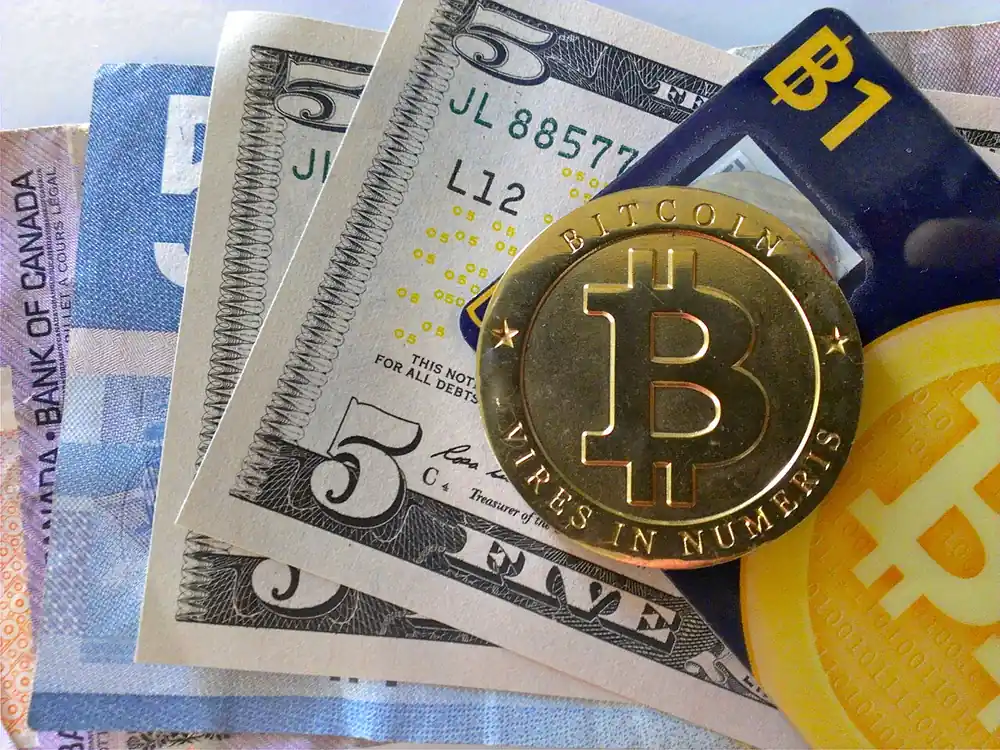
So you've seen a crypto sportsbook, you fancy trying it, and you've hit the first wall: you don't actually own any crypto. Fair enough, most people don't. Buying it isn't hard, but there are a few ways to do it badly, mostly by paying three or four times more in fees than you need to, or by sending coins down the wrong network and never seeing them again. This guide walks you through buying crypto from Ireland with betting in mind: where to buy, what to buy, how to move it, what it really costs, and the tax angle nobody mentions until it's too late.
18+ only. This is general information, not financial, tax or betting advice, and the fee figures below are examples to show the maths, not quotes from any platform. Cloudbet, which we link to, is licensed in Curaçao and is not licensed by the Gambling Regulatory Authority of Ireland (GRAI), so Irish complaint routes don't cover it. If gambling is causing you bother, Gambling Care is free, confidential and open 24/7 on 1800 936 725 (Northern Ireland: 08000 886 725).
The short answer
- Open an account with a crypto exchange or broker app that's authorised to serve Irish customers under the EU's MiCA rules.
- Verify your identity. Any legitimate EU exchange will ask for ID and proof of address; that's the law, not them being nosy.
- Fund it with a SEPA bank transfer in euro if you can. It's nearly always cheaper than a card.
- Buy the coin that suits the job. For betting, a dollar or euro stablecoin keeps your balance steady; Bitcoin or Litecoin work but the value moves.
- Copy the deposit address from the betting site's cashier, check the network matches, send a small test amount, then send the rest.
- Keep a simple record of every buy, send and sale. Swapping or selling crypto can be a taxable event in Ireland, even if your bets broke even.
That's the whole thing. The rest of this page is the detail that saves you money and hassle.
Step 1: pick where to buy
You've broadly got three options from Ireland, and they suit different people.
| Option | Good for | Watch out for |
|---|---|---|
| A full crypto exchange (order-book trading) | Lowest trading fees, wide choice of coins and networks, proper withdrawal options | Busier screens; the "simple buy" button often costs more than the trading screen on the same site |
| A broker-style crypto app | Easy, quick, decent for small amounts | Fees are often built into the price (a spread) so you can't see them clearly |
| A banking or payments app with crypto built in | Convenient if you already use it | Some let you buy but not withdraw to an outside wallet, or only on certain coins. If you can't withdraw, it's useless for betting. |
Whichever you choose, check two things before signing up. First, is the firm authorised under MiCA (the EU's Markets in Crypto-Assets Regulation) to serve customers in Ireland? Firms can be authorised by the Central Bank of Ireland or by another EU regulator and passport in; the Central Bank and ESMA (the EU markets watchdog) publish registers you can search. Second, can you actually withdraw the coin you want, on a network your betting site accepts? That second question trips up more people than anything else.
A word on scams: nobody legitimate will ask you to send crypto to "unlock" an account, pay a "tax" up front to release winnings, or move funds to a "safe wallet" for you. If a WhatsApp contact, a Telegram group or a "support agent" who messaged you first is walking you through buying crypto, stop. Real exchanges and real bookmakers don't work like that.
Step 2: verification, and why it isn't optional
Expect to upload a photo ID (passport or driving licence), take a selfie or short video, and give proof of address. You may also be asked where the money comes from and what you plan to do with the crypto. Answer honestly. "Betting" is a perfectly legal answer for an adult in Ireland, and a vague or evasive answer is more likely to get your account frozen than an honest one.
There's another rule worth knowing about. Under the EU's updated transfer-of-funds rules (often called the "travel rule"), regulated exchanges collect information about who's sending and receiving crypto transfers. In practice, when you withdraw to an outside address, your exchange may ask who owns it, and for larger transfers to a wallet you control it may ask you to prove that. Don't be alarmed by it. Just answer accurately.
Step 3: card or bank transfer? The fee maths
This is where people quietly lose money. Buying with a debit card is instant and painless, but it usually costs more. A SEPA transfer in euro takes a bit longer (often same day or next working day, sometimes quicker with instant SEPA) but is usually much cheaper. Here's an illustration using example fees, not any specific platform's prices:
- Convenient route: card fee 2%, plus a 1% spread on a "simple buy" button, plus €1 network fee to send the coins out.
- Cheaper route: free SEPA deposit, 0.2% trading fee on the exchange's trading screen, plus €0.50 network fee on a cheap network.
| You want to fund | Convenient route cost | As % of deposit | Cheaper route cost | As % of deposit |
|---|---|---|---|---|
| €50 | €2.50 | 5.0% | €0.60 | 1.2% |
| €100 | €4.00 | 4.0% | €0.70 | 0.7% |
| €250 | €8.50 | 3.4% | €1.00 | 0.4% |
Now think about the full round trip, because you'll want to cash out too. If you go in and come back out the same way, and your bets roughly break even, the example costs look like this:
| Starting amount | Convenient route, in and out | Cheaper route, in and out |
|---|---|---|
| €50 | €4.92 (9.8%) | €1.20 (2.4%) |
| €100 | €7.88 (7.9%) | €1.40 (1.4%) |
| €250 | €16.75 (6.7%) | €2.00 (0.8%) |
Put that next to the bookmaker's margin. A typical two-way line of 1.91/1.91 has a margin of about 4.7%. On the convenient route with €50, you're giving away roughly twice that before a ball is kicked. Small deposits made often, through a card and a "buy" button, are the most expensive way to do this. Fewer, larger, well-planned transfers through SEPA are the cheapest, though "larger" should still mean an amount you can afford to lose.
One more thing: some banks may decline card payments to crypto platforms or flag them for checks. If your card's refused, don't try card after card. Ring the bank, or use a bank transfer instead.
Step 4: which coin to buy for betting
You don't need to become a crypto expert. For betting, the choice comes down to whether you want your balance to hold steady.
| Coin type | Pros for betting | Cons |
|---|---|---|
| Dollar stablecoin (e.g. USDC) | Balance stays close to one US dollar per coin; easy to track your bankroll | Tracks the dollar, not the euro, so a EUR/USD move changes your euro value a little |
| Euro stablecoin (where the site accepts it) | Tracks the euro, so no currency swing | Fewer betting sites accept euro stablecoins; check the cashier first |
| Bitcoin | Accepted almost everywhere | Price swings can wipe out (or inflate) your bankroll regardless of how your bets go; network fees can be higher at busy times |
| Litecoin and similar | Usually cheap and quick to send | Still volatile; not every exchange lists every coin |
On stablecoins specifically: since MiCA's stablecoin rules came in, what you can buy on an EU exchange has shifted, and several big exchanges restricted or removed some stablecoins (Tether's USDT is the well-known example) for customers in the EEA. If your betting site prefers USDT and your exchange doesn't offer it, don't go hunting on dodgy platforms. Use a coin your exchange lists that the site also accepts. Our guide to betting with USDT from Ireland covers that in more detail.
Whatever you pick, check the betting site's cashier before you buy. Look at which coins it lists, which networks for each coin, and the minimum deposit. Buying a coin the site doesn't take means paying fees twice to swap it.
Step 5: getting it from the exchange to the betting site
You can send straight from the exchange to the betting site's deposit address, or go via your own wallet first. Sending direct is simpler and cheaper. Using your own wallet gives you more control but adds another transfer and another chance to make a mistake. For most people starting out, direct is fine, as long as the exchange lets you withdraw to outside addresses and you've answered any travel-rule questions it asks.
The safe routine, every single time:
- In the betting site's cashier, choose the coin and the network, then copy the deposit address. Some coins on some networks also need a memo or tag; if one is shown, you must include it.
- In your exchange, choose withdraw, pick the same coin and the same network, and paste the address. Check the first and last few characters match. Clipboard-hijacking malware exists.
- Send a small test amount first, an amount you wouldn't cry over.
- Wait for it to show in your betting balance. The cashier usually says how many network confirmations it needs.
- Only then send the rest.
The test send costs you one extra network fee. Losing a full deposit to the wrong network or a missing memo costs you everything, and crypto transfers can't be reversed. That's not a scare story; it's how blockchains work. Our crypto deposit guide goes deeper on networks, confirmations and the mistakes that cost coins.
Step 6: plan your way back out before you go in
People spend ages working out how to get crypto onto a site and no time on how to get it back to their bank. Do it the other way round. Before you deposit, check:
- Which coins and networks the site pays out in, and whether there's a minimum withdrawal or a fee.
- Whether the site may ask for ID before a withdrawal. Plenty of offshore sites, Cloudbet included, can ask for verification at any point, especially on larger amounts, so don't assume it'll never happen.
- Whether your exchange accepts deposits of that coin on that network, so you can sell it back to euro.
- How long a SEPA withdrawal from the exchange to your bank usually takes.
Our guide to crypto withdrawals from betting sites covers what slows payouts down and what to check first.
18+. Crypto deposits. Cloudbet is licensed in Curaçao and is NOT licensed by the GRAI. Irish gambling law changed in 2026: only GRAI-licensed operators may lawfully take bets from Irish customers. Ad: we may earn a commission. Bet only what you can afford to lose.
The tax bit: Capital Gains Tax on crypto
This is the part that catches people. In Ireland, Revenue generally treats crypto as an asset, so disposing of it can trigger Capital Gains Tax (CGT). A disposal includes selling it for euro, and it can include swapping it for another crypto or using it to pay for something. The headline numbers are a CGT rate of 33% on chargeable gains, with an annual personal exemption of €1,270 of gains per person. Check Revenue's current guidance or talk to a tax adviser for your own situation; rules and figures can change.
Here's how that plays out with a simple illustration:
- You buy 0.002 BTC for €120 (a price of €60,000 per BTC).
- A week later, BTC is €66,000 and you send that 0.002 BTC to a betting site. Using crypto like that may be treated as a disposal at its market value then: €132.
- That's a €12 gain, even though you haven't placed a bet yet.
On a small scale like this, the €1,270 annual exemption will usually cover it. But it adds up across the year, and it's your gains across all your crypto that count. As a rough guide, if your total chargeable gains for a year came to €3,000, the tax on the €1,730 above the exemption would be about €570.90.
What about betting winnings themselves? In Ireland, punters generally aren't taxed on gambling winnings. But if you're paid out in crypto and the coin rises before you sell it, that rise is a separate gain. For example, if you receive 0.003 BTC worth €195 when it lands, and sell it later when it's worth €210, the €15 increase is a potential capital gain. A dollar stablecoin can also show a small gain or loss in euro terms purely because EUR/USD moved.
The fix is boring but effective: keep a spreadsheet. Date, what you bought or sent, how much, the euro value at the time, and where it went. Most exchanges let you download a transaction history. Do it monthly, not in a panic next October.
A sensible starter plan
If you're new to all this, here's a low-stress way to start:
- Decide on a monthly betting budget you'd genuinely be fine losing. Write it down.
- Open and verify one MiCA-authorised exchange account. One is plenty.
- Check the betting site's cashier for coins, networks and minimums.
- Send your budget to the exchange by SEPA once a month, rather than topping up by card every time you fancy a bet.
- Buy a stablecoin the site accepts, on the trading screen rather than the "simple buy" button if that's cheaper.
- Do a test send, then the main send.
- When you want money back, withdraw to the exchange, sell to euro, and send it to your bank by SEPA.
- Update your spreadsheet.
That routine keeps fees low, stops impulse top-ups, and leaves you with a clean record if Revenue ever asks.
Common mistakes
- Buying with a card through a "buy" button for every small top-up, then wondering where 5% went.
- Buying a coin the betting site doesn't accept.
- Choosing the wrong network, or leaving out a required memo or tag.
- Skipping the test send to save a euro.
- Using a platform that won't let you withdraw to an outside address.
- Following a "crypto mentor" on social media who offers to manage the transfer for you.
- Holding Bitcoin as a betting balance and treating a price drop as a "bad run".
- Not keeping records, then trying to rebuild a year of transactions at tax time.
- Depositing more because the crypto feels like "not real money". It is real money.
Northern Ireland readers
Most of the steps are the same, but the rules around you differ. Northern Ireland is part of the UK, so crypto firms serving you fall under UK rules rather than MiCA, you'll be funding in sterling, and UK tax rules apply instead of Irish CGT. Check HMRC guidance for your situation.
Is it legal to bet with crypto from Ireland?
Buying crypto is legal in Ireland, and betting is legal for adults. The licensing side is where it gets more nuanced. The GRAI now licenses betting operators in Ireland, with the first remote betting licences commencing on 1 July 2026, and GRAI-licensed bookmakers come with Irish protections and complaint routes. Offshore crypto sportsbooks such as Cloudbet aren't GRAI-licensed, so those protections don't apply, and you're relying on the offshore operator's own terms and licence. For the detail, read our guides on whether online betting is legal in Ireland and whether gambling with crypto is legal. If you want the basics of how a crypto sportsbook works once you're funded, see betting crypto on sports from Ireland, and use our odds calculator to check what a price really means.
Keep it a game
Crypto makes it easy to move money quickly, and that cuts both ways. Set your budget before you buy, not after a losing night, and never buy more crypto to chase a loss. If you notice you're topping up more often than you planned, take that seriously. Gambling Care is free and confidential on 1800 936 725, 24/7 (Northern Ireland: 08000 886 725), and our responsible gambling page has more support and self-exclusion options.
My take
Buying crypto for betting is straightforward once you've done it once. The real skill is doing it cheaply and safely: a properly authorised exchange, a SEPA transfer instead of a card, a coin the site actually accepts, a test send every time, and a plan for getting your money back out. Add a simple spreadsheet for the tax side and you've avoided nearly every mistake people make. Go slow the first time, and don't let the convenience tempt you into spending more than you meant to.
Questions players ask
What's the cheapest way to buy crypto for betting in Ireland?
Usually a SEPA bank transfer in euro to a MiCA-authorised exchange, then buying on the exchange's trading screen rather than a card-funded 'simple buy' button. Card purchases often cost several percent more once card fees and spreads are added.
Which crypto is best for betting?
A stablecoin the betting site accepts keeps your bankroll steady. Bitcoin and Litecoin are widely accepted but their value moves, which can change your balance regardless of how your bets go.
Do I need to verify my identity to buy crypto in Ireland?
Yes. Regulated EU exchanges must verify customers, so expect to provide photo ID, a selfie and proof of address, and possibly answer questions about where your money comes from.
Can I send crypto straight from an exchange to a betting site?
Usually yes, if the exchange allows withdrawals to outside addresses. Match the coin and network exactly, include any memo or tag, and send a small test amount first.
Do I pay tax on crypto used for betting in Ireland?
Possibly. Revenue generally treats crypto as an asset, so selling, swapping or spending it can trigger Capital Gains Tax at 33% on gains above the €1,270 annual exemption. Gambling winnings themselves are generally not taxed for punters. Check Revenue guidance or an adviser.
Is Cloudbet licensed in Ireland?
No. Cloudbet holds a Curaçao licence and isn't licensed by the Gambling Regulatory Authority of Ireland, so Irish complaint routes don't apply.
Where can I get help with gambling in Ireland?
Call Gambling Care on 1800 936 725, free and confidential, 24/7. In Northern Ireland, call 08000 886 725.
18+. Crypto deposits. Cloudbet is licensed in Curaçao and is NOT licensed by the GRAI. Irish gambling law changed in 2026: only GRAI-licensed operators may lawfully take bets from Irish customers. Ad: we may earn a commission. Bet only what you can afford to lose.
If betting is costing you more than money, free and confidential help is there 24 hours a day, 365 days a year: the Problem Gambling Helpline run by Dunlewey Addiction Services for Gambling Care, on 1800 936 725 (from Northern Ireland: 08000 886 725). Source: grai.ie.