Allianz Hurling League Odds: Betting the National League Without Getting Burned
Welcome bonus for new players + fast crypto payouts. Just helping a brother out.
18+. Crypto deposits. Cloudbet is licensed in Curaçao and is NOT licensed by the GRAI. Irish gambling law changed in 2026: only GRAI-licensed operators may lawfully take bets from Irish customers. Ad: we may earn a commission. Bet only what you can afford to lose.
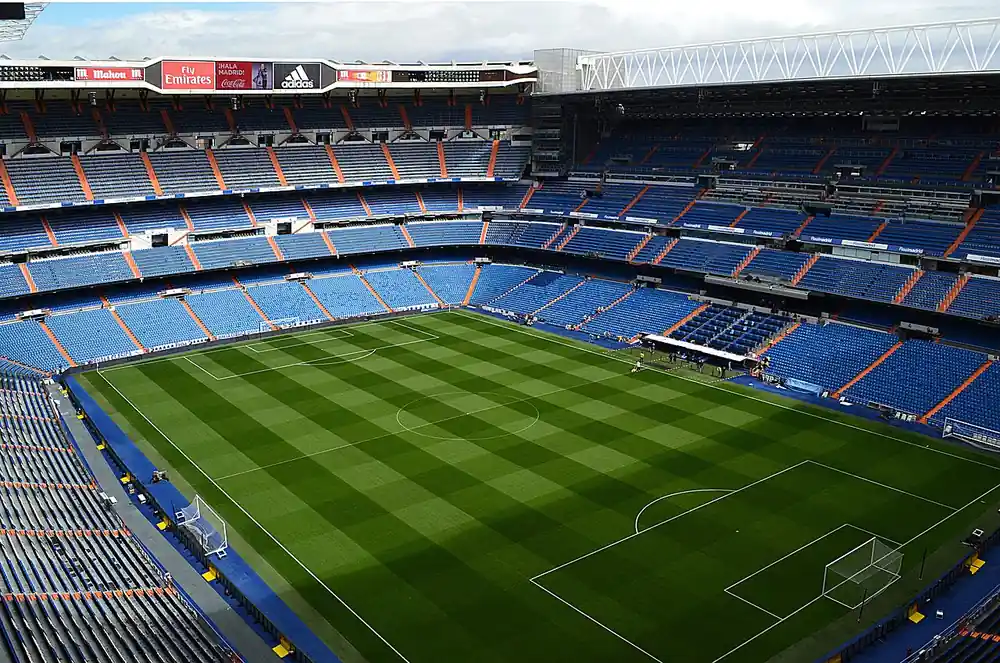
The Allianz Hurling League — the National Hurling League, to give it its proper name — is the first serious inter-county hurling of the year. It's also one of the hardest competitions to bet on well, because counties don't all want the same thing from it. Some chase silverware, some chase fitness, and some are mostly looking at who might make the championship panel. Here's how to read the odds with that in mind.
18+ only. Cloudbet holds a Curaçao licence and is not licensed in Ireland — it is not GRAI-licensed. If you need to talk to someone, Gambling Care is free on 1800 936 725, or 08000 886 725 from Northern Ireland.
What the league is and when it's played
The National Hurling League has carried Allianz's name for decades, which is why most people simply call it "the Allianz League". It usually runs from late January or early February into March or early April, with the knockout stages and final ahead of the provincial championships. The pre-season competitions — the Walsh Cup in Leinster and the Munster Hurling League — come before it, and the championship follows quickly after.
Counties are split into divisions. In recent seasons the top tier has been organised as Division 1A and Division 1B, with further divisions below (2A, 2B, 3A, 3B). The number of teams that progress to the knockout stages, and whether there are semi-finals or a straight final, has changed several times, so check the GAA's current format before relying on any "top two go through" assumption. Promotion and relegation between divisions also matters for some counties far more than the title does.
The big idea: motivation varies wildly
If you remember one thing about league betting, make it this: counties don't value the league equally, and they don't value it the same way every year. A county with a new manager may want to build momentum and win games. A county that's just won an All-Ireland might treat the league as a gentle return. A county facing relegation from 1A might suddenly field a full-strength team in round five after experimenting in round one.
The bookmaker knows this too, which is why league prices can move a lot once team news comes out. Your edge, if you have one, comes from reading team selection and motivation more carefully than the casual punter who only looks at last year's All-Ireland result.
Team selection: read it before every bet
Counties usually name teams a day or two before a league game, but late changes are common. Before betting, look for:
- How many regular championship starters are named. A side with seven or eight first-choice players missing is a different team.
- Players returning from club duty. In some years, players involved in late club competitions return to county panels later than others.
- Injuries managed rather than serious. Managers often rest a player with a minor knock in February who would play through it in June.
- New faces. A manager trying three or four young players is usually prioritising the summer over the result.
If the team isn't named when you want to bet, ask yourself whether the price is good enough to cover the risk of a weakened side. Often it isn't.
Spring weather changes everything
February and March hurling is played in conditions that would be rare in the championship: wind, rain, cold, and heavy pitches. Some games are under lights on a Saturday night. Weather affects the betting in clear ways:
- Totals fall on heavy pitches. Long-range points become harder, the ball doesn't travel as far, and handling errors go up.
- Wind creates two different halves. A team playing with a gale can build a big lead that gets eaten up after the break. That affects half-time/full-time and first-half handicap markets.
- Postponements happen. Waterlogged or frozen pitches can see a game moved. Check how your book settles bets on postponed or relocated games — usually void if not played within a set time, but rules differ.
If the forecast is grim, think twice about high totals and consider that the underdog often gets closer in scrappy games.
Reading league match odds
League match markets are usually three-way, just like championship games. Because draws in the league can matter for tables, and because conditions often keep scores tight, the draw price deserves a look. Convert prices into implied chances to see what the book is saying. For example, a favourite at 4/6 (decimal 1.67) implies about 60%; a draw at 12/1 (13.0) implies about 7.7%; an outsider at 7/4 (2.75) implies about 36.4%. That adds up to about 104%, so the margin here is roughly 4%. You need to believe a selection's real chance is higher than the implied figure to have any value.
Handicaps in the league
Handicaps work the same way as in the championship, with a goal worth three points. In the league they can be unusually volatile because of team news: a line can move by several points between the Thursday and the Saturday. If you think a county will field a strong team but the market doesn't yet, an early bet at a better line is one of the more genuine edges in GAA betting. The reverse is also true: if you bet early and the county rests players, you've got a worse bet than you thought.
Outright odds: who wins the league
Outright markets for the league open in the winter. A few angles:
- Squad depth beats star power. Winning the league means getting results across several games in poor weather, often with rotation. Counties with deep panels are better league bets than counties built around a handful of stars.
- New managers often chase early wins. A fresh management team wants buy-in from players and supporters, and a league run helps. This is not a rule, but it's worth noting.
- All-Ireland champions can be poor league value. They're usually short in the outright market because of reputation, but many champions take a while to get going the following spring.
- Each-way isn't common. Most books offer win-only outrights for GAA leagues; "to reach the final" markets are a sensible alternative where available.
Several different counties have won the league in recent years, which tells you it's a competition where the outright favourite doesn't always get there.
Promotion and relegation markets
For many counties, staying up or going up is the real target. In the lower half of Division 1 and throughout the lower divisions, relegation and promotion battles can produce:
- Full-strength selections in the final rounds, even from counties who experimented earlier.
- Tight, nervy games where totals come in under the line.
- Value on the underdog in "must-win" games if the market hasn't adjusted for the motivation gap.
Some books offer "to be relegated" or "to win the division" markets. These are usually decided by a couple of key head-to-head fixtures, so map out the schedule before betting.
League form versus championship form
Every spring, punters overreact to league results. A county that loses heavily in February is written off; a county that wins the league is backed heavily for the All-Ireland. History suggests the link between league and championship is real but loose. Some league champions go on to big summers; others fade.
When using league form to bet the championship later, focus on:
- Performances in games where both counties fielded strong teams.
- Underlying signs, such as scoring from play, wides, and how a team finished games.
- Players who broke through and look like they'll start in the summer.
Ignore results from experimental line-ups and storm-affected games. They tell you very little. Our guides to Munster championship odds and Leinster championship odds cover the summer once the league is done.
18+. Crypto deposits. Cloudbet is licensed in Curaçao and is NOT licensed by the GRAI. Irish gambling law changed in 2026: only GRAI-licensed operators may lawfully take bets from Irish customers. Ad: we may earn a commission. Bet only what you can afford to lose.
Top scorer and player markets in the league
League top scorer markets come with an extra risk: the player might not start, might be withdrawn early, or might be on frees one week and not the next. Read team news carefully and check how the market settles if your player doesn't start (some books void, some don't). Season-long league top scorer markets tend to favour reliable free-takers on counties that play all their games with a settled team.
Saturday night games under lights
A lot of league hurling is played on Saturday evenings. That suits punters who like to bet in-play from the couch, but remember:
- TV and streaming coverage isn't available for every game, so in-play betting without pictures is guesswork.
- Cold, wet evenings make scoring harder, so watch for live totals that still assume dry-weather scoring.
- If you've had a few drinks on a Saturday night, that's the time to put the phone down rather than chase another bet.
The league final
The final is a knockout game. Match betting typically settles on 70 minutes plus stoppage time, while "to win the league" includes extra time and any tie-break the GAA rules specify. A league final can be fiercely contested, especially between big rivals, but managers also have the championship only weeks away. Watch for any comments about player welfare or resting players, and remember that both counties may still be holding something back for the summer.
Lower divisions: less information, bigger risks
Divisions 2 and 3 matter enormously to the counties involved, but information is thin. Team news is harder to find, form guides are patchy, and prices can have bigger margins. If you bet these games, keep stakes small, stick to markets you understand, and be wary of tips from anyone who claims to know the result. Integrity rules apply across GAA competitions, and players and officials are barred from betting on games they're involved in.
Reading the table before the last two rounds
By rounds four and five, the league table tells you more about each county's mood than any preview. Sketch out three scenarios for each side: what happens if they win, draw or lose, and what that means for the knockout places and the drop. A county that can still reach the final but is also one defeat from a relegation scrap usually picks its strongest team. A county safe in mid-table with nothing to play for might give a debut to two or three panel players. Scoring difference can decide places when counties finish level on points, which can keep a beaten side pushing for late scores and helps the plus side of a handicap. None of this guarantees anything, but working out the permutations yourself, rather than trusting a headline, is the closest thing to an edge the league offers.
A spring staking plan
- Treat the league as a long, low-stakes campaign rather than a series of big bets.
- Skip any game where you can't see team news or the weather is a lottery.
- Keep most stakes to one unit. The league isn't the place for big swings.
- Log bets with prices and team news notes, so by the end of the league you know which counties you read well.
Common league betting mistakes
- Backing last year's All-Ireland champions in every league game.
- Betting before teams are named and then complaining about rotation.
- Ignoring the weather and backing overs on a stormy night.
- Treating league results as gospel for the summer.
- Assuming every county wants to win every game equally.
Where and how to bet legally
From 2026, the Gambling Regulatory Authority of Ireland (GRAI) licenses betting operators that serve Irish customers. Offshore sites such as Cloudbet are licensed abroad — Cloudbet in Curaçao — and are not GRAI-licensed, so Irish complaint routes and protections don't apply if you use them. GAA league coverage also varies hugely between books; some won't price lower-division games at all. Check live terms and markets before depositing, and read our guide on whether online betting is legal in Ireland.
Wider GAA reading
For an overview of the All-Ireland series in both codes, see our All-Ireland GAA betting guide.
Keep it in proportion
The league is a great way to shake off the winter and see new players coming through. It's not a reason to bet more than you can afford. Set a budget for the spring and stick to it. If gambling is becoming a worry, Gambling Care's helpline is free and confidential on 1800 936 725, or 08000 886 725 from Northern Ireland; more support is on our responsible gambling page.
Questions players ask
Is the Allianz Hurling League the same as the National Hurling League?
Yes. Allianz is the long-running sponsor, so the National Hurling League is commonly called the Allianz Hurling League.
How does weather affect Allianz Hurling League betting?
Spring wind, rain and heavy pitches tend to lower scores, make halves uneven and sometimes cause postponements. Check the forecast and your book's postponement rules.
Is league form a good guide to the hurling championship?
Only partly. Many counties experiment in the league, so focus on games where both sides fielded strong teams.
Is Cloudbet GRAI-licensed?
No. Cloudbet is licensed in Curaçao and is not licensed in Ireland.
Who can I call for gambling help?
Gambling Care on 1800 936 725 (free, 24/7) or 08000 886 725 from Northern Ireland.
18+. Crypto deposits. Cloudbet is licensed in Curaçao and is NOT licensed by the GRAI. Irish gambling law changed in 2026: only GRAI-licensed operators may lawfully take bets from Irish customers. Ad: we may earn a commission. Bet only what you can afford to lose.
If betting is costing you more than money, free and confidential help is there 24 hours a day, 365 days a year: the Problem Gambling Helpline run by Dunlewey Addiction Services for Gambling Care, on 1800 936 725 (from Northern Ireland: 08000 886 725). Source: grai.ie.