Best Crypto Betting Games: Dice, Crash, Plinko, Slots and Live Tables Compared by House Edge, Speed and Swings
Welcome bonus for new players + fast crypto payouts. Just helping a brother out.
18+. Crypto deposits. Cloudbet is licensed in Curaçao and is NOT licensed by the GRAI. Irish gambling law changed in 2026: only GRAI-licensed operators may lawfully take bets from Irish customers. Ad: we may earn a commission. Bet only what you can afford to lose.
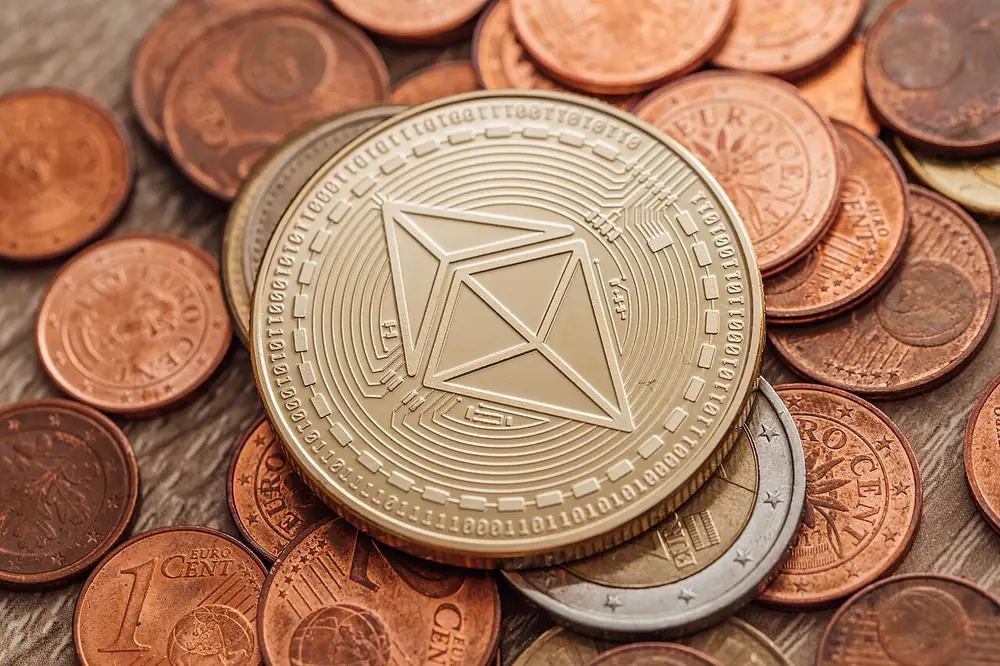
Open any crypto casino and you'll find games you won't see in a bookie's window: dice you can set to any odds you like, a rocket that might crash at 1.2x or fly to 500x, a little ball bouncing down a pyramid of pegs. Next to them sit the usual slots, roulette and blackjack. So which ones are actually the "best"? It depends what you want from them, and the honest answer is that some are far gentler on your wallet than others. Let's go through them properly.
18+ only. Every stake, edge and result on this page is an illustration. House edges vary by game version and by site, so always check the figure the game itself shows. Cloudbet, which we link to, is licensed in Curaçao and is not licensed by the Gambling Regulatory Authority of Ireland (GRAI).
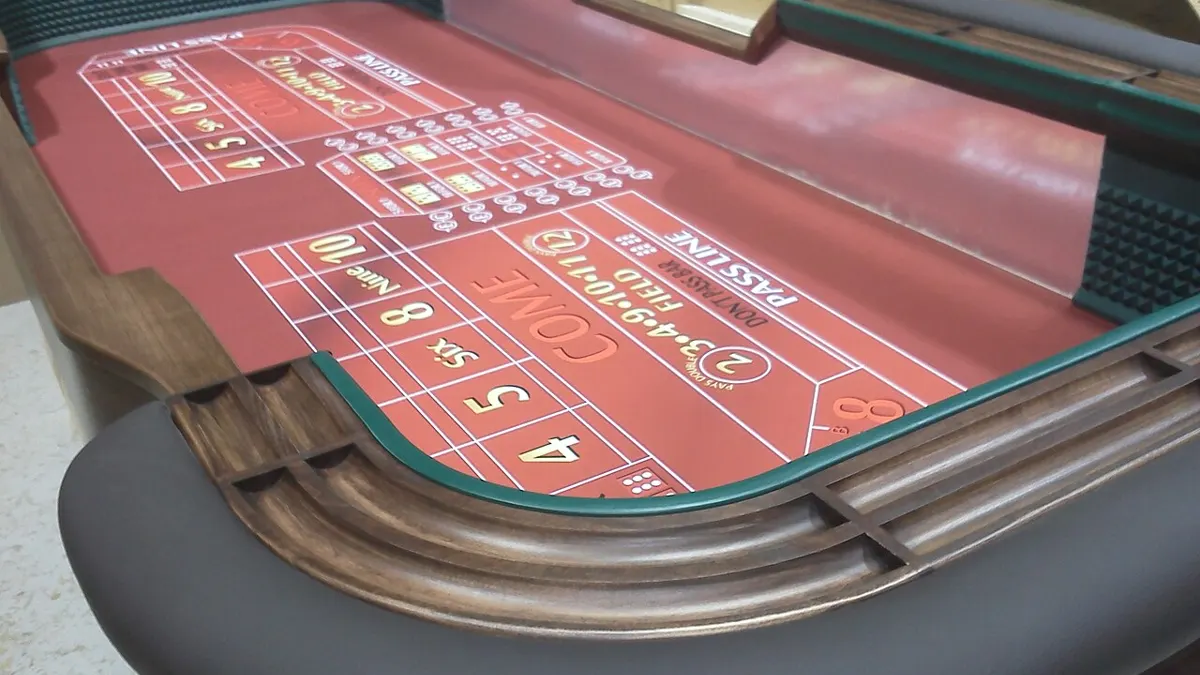
What "best" should mean for a casino game
No casino game pays you over time. Every one of them has a house edge, the small slice the casino keeps on average from every bet. So "best" can't mean "the one you'll win on". It can sensibly mean three things:
- Lowest cost: the game where your money lasts longest for each euro you bet.
- Right level of swings: some people want steady little wins, some want a rare big hit. Neither is wrong, as long as you know which you're signing up for.
- Fair and checkable: games where you can verify the result wasn't fiddled.
Keep those three in mind and the whole lobby gets a lot easier to read.
The one sum that matters: cost per hour
The house edge on its own doesn't tell you how much a game costs you. Speed matters just as much. A game with a 1% edge that you play 600 times an hour can cost more than a game with a 3% edge you play 40 times an hour.
The rough sum is: stake per round × rounds per hour × house edge = expected cost per hour. Here's how that plays out across popular crypto casino games, with illustrative stakes and speeds:
| Game | Stake | Rounds per hour | Typical edge | Expected cost per hour |
|---|---|---|---|---|
| Dice on auto-bet | €0.50 | 600 | about 1% | about €3.00 |
| Dice, clicking by hand | €0.50 | 150 | about 1% | about €0.75 |
| Crash | €2 | 60 | about 1% | about €1.20 |
| Slots | €0.20 | 500 | about 4% | about €4.00 |
| Live roulette (single zero) | €2 | 40 | 2.70% | about €2.16 |
| Live blackjack, basic strategy | €5 | 60 | about 0.5% to 1% | about €1.50 to €3.00 |
| Live baccarat, banker bet | €5 | 70 | about 1.06% | about €3.70 |
| Keno | €1 | 100 | often 5% or more | €5 or more |
Two things jump out. First, the auto-bet button is the most expensive feature in the casino, because it multiplies the number of rounds without you noticing. Second, slots and keno cost the most per hour for most people, even at small stakes. That doesn't make them off-limits. It just means you should know what you're paying for the entertainment.
Crypto dice
Dice is the simplest crypto game there is. The game rolls a number between 0 and 100. You pick a target and whether you're betting over or under it. The closer to a sure thing you set it, the smaller the payout.
| Win chance you set | Payout with a 1% edge | What it feels like |
|---|---|---|
| 90% | 1.10x | Wins nearly every roll, tiny profit each time |
| 49.5% | 2.00x | Roughly a coin flip |
| 25% | 3.96x | Win about one in four |
| 10% | 9.90x | Long gaps between wins |
| 1% | 99x | Could go hundreds of rolls without a hit |
The payout is just 99 divided by your win chance, which is how the 1% edge is built in. Whatever setting you pick, the casino keeps about a cent from every euro on average. What changes is how bumpy the ride is.
Dice is cheap per bet, but it's dangerous because it's fast and it pairs so easily with betting systems. More on that below.
Crash
In crash, a multiplier starts at 1.00x and climbs. You cash out whenever you like. If the round "crashes" before you cash out, you lose your stake. Many players set an automatic cash-out point, such as 2x.
With a typical 1% edge, the chance of the multiplier reaching a given level is roughly 0.99 divided by that level:
| Auto cash-out | Rough chance of reaching it | Wins in 100 rounds (average) |
|---|---|---|
| 1.20x | about 82.5% | about 82 |
| 2x | about 49.5% | about 50 |
| 5x | about 19.8% | about 20 |
| 10x | about 9.9% | about 10 |
| 100x | about 1% | about 1 |
Crash looks like a skill game, because you decide when to jump off. It isn't. Every cash-out point has the same edge built in. The rush of watching the number climb is the product. If you notice you're cashing out later and later after a few losses, that's tilt, not strategy.
Limbo
Limbo is crash without the waiting. You choose a target multiplier, the game generates a result instantly, and you win if the result is at or above your target. The maths is the same as crash: a 2x target wins about 49.5% of the time with a 1% edge. Because each round takes a second, limbo can burn through a budget faster than crash, so treat it like dice and keep your hands off auto-bet.
Plinko
A ball drops through rows of pegs and lands in a slot at the bottom. The middle slots pay small amounts or less than your stake; the edges pay big multipliers. Most versions let you choose the number of rows and a risk level.
- Low risk: most drops return something close to your stake. Few big hits.
- High risk: most drops return a fraction of your stake. Very occasionally, a huge multiplier.
The edge is often around 1% across the settings on the versions we've seen, but it can vary by game and site, so check the information panel. Like dice, the setting changes the swings, not the long-run cost.
Mines
You get a grid, often 5 × 5, with some mines hidden in it. You pick squares one at a time. Each safe square raises your multiplier; hit a mine and you lose the lot. You can cash out after any safe pick.
The maths gets steep fast. With 3 mines in 25 squares, your first pick is safe 22 times in 25, or 88%. Five safe picks in a row happen only about 49.6% of the time (22/25 × 21/24 × 20/23 × 19/22 × 18/21). Ten in a row: only about 20%. The game shows bigger and bigger multipliers to tempt you to keep clicking. A simple rule: decide how many picks you'll make before you start, and stick to it.
Slots
Slots are the biggest part of most crypto casino lobbies. Return-to-player (RTP) figures usually sit somewhere around 94% to 97%, which means an edge of roughly 3% to 6%. Some games come in several versions with different RTPs, and the casino picks which version it offers, so the same game can be cheaper at one site than another. The RTP is usually listed in the game's info screen.
Volatility is the other half of the story. A low-volatility slot pays small wins often. A high-volatility slot can go a long time between wins, then pay a big feature. Same edge, very different evenings. Bonus-buy features that let you jump straight to free spins for 100x your stake are especially fast ways to spend money. Our guide to online slots for Irish players goes deeper on RTP and volatility.
Live-dealer tables
Live dealer games are streamed from a studio with a real dealer. They're slower than digital games, which is actually a point in their favour for your budget.
- Roulette: single-zero (European) roulette has a 2.70% edge. French roulette with the "la partage" rule halves that on even-money bets to 1.35%. Double-zero (American) roulette is 5.26%. If you play roulette at all, avoid the double zero.
- Blackjack: with basic strategy and decent rules, the edge can be around 0.5%. Playing on gut feel can make it several times worse. Tables paying 6:5 for blackjack instead of 3:2 cost you a lot more. Side bets almost always carry big edges.
- Baccarat: the banker bet has about a 1.06% edge, the player bet about 1.24%. The tie bet, which often pays 8:1, has an edge around 14%. Skip it.
- Game shows: wheel-based shows with bonus rounds are great fun to watch, but their edges are usually higher than blackjack or baccarat and vary a lot by bet.
18+. Crypto deposits. Cloudbet is licensed in Curaçao and is NOT licensed by the GRAI. Irish gambling law changed in 2026: only GRAI-licensed operators may lawfully take bets from Irish customers. Ad: we may earn a commission. Bet only what you can afford to lose.
Keno and lottery-style games
Keno lets you pick numbers and pays depending on how many come up. It looks like a gentle lottery, but edges can be much higher than dice or blackjack, and they vary a lot from one version to another. If the paytable doesn't show the RTP clearly, assume it's on the expensive side.
What "provably fair" actually means
Many crypto games, especially dice, crash, limbo, plinko and mines, are "provably fair". In plain words, the casino commits to the outcome in advance in a way that lets you check later it didn't change it.
- Before you bet, the casino shows you a hashed (scrambled) version of a secret server seed.
- You can set your own client seed, a bit of text you choose.
- Each bet uses the server seed, your client seed and a counter called a nonce to produce the result.
- When you change seeds, the casino reveals the old server seed. You can hash it yourself and check it matches what you were shown, then recalculate each result.
That proves the results weren't fiddled after you bet. It doesn't prove the game is generous. A provably fair game still has a house edge, and you should check what that edge is. Slots and live tables generally aren't provably fair in this sense; you rely on the game provider and any testing it has done.
Betting systems: why martingale wrecks crypto players
Fast games with near-50% bets make martingale look tempting: double your stake after every loss, and one win gets everything back plus a profit. Here's the problem, in numbers, on a 49.5% dice bet starting at €1:
| Losses in a row | Next stake | Total lost so far |
|---|---|---|
| 5 | €32 | €31 |
| 8 | €256 | €255 |
| 10 | €1,024 | €1,023 |
Ten losses in a row happens only about once in every 900 or so sequences. That sounds rare, until you remember auto-bet can run hundreds of sequences in an evening. Over 1,000 sequences, the chance of hitting at least one ten-loss streak is roughly two in three. You win a euro at a time and then lose a thousand in one go. No staking system changes the house edge.
So which crypto betting games are best?
It depends what you want, so here's a simple picker:
| If you want... | Look at | Watch out for |
|---|---|---|
| The lowest cost per hour | Live blackjack with basic strategy, baccarat banker, hand-clicked dice | Side bets, auto-bet |
| Something simple and checkable | Provably fair dice, limbo, crash | Speed, betting systems |
| Big-hit potential | High-risk plinko, high-volatility slots | Long losing runs, bonus buys |
| A social, slower game | Live roulette (single zero), game shows | Double-zero tables, high-edge side bets |
| Sports instead of casino | A crypto sportsbook | Accumulators, chasing |
If sport is more your thing than casino games, our guides to betting on sport with crypto and soccer betting with crypto explain how crypto sportsbooks work.
A worked example: two friends, one €50 night
Two friends each bring €50 for an evening. One plays live blackjack at €5 a hand for an hour, around 60 hands, with basic strategy. The other plays €0.50 dice on auto-bet for an hour, around 600 rolls.
- Blackjack: €300 wagered × roughly 0.5% = an expected cost of about €1.50.
- Auto dice: €300 wagered × 1% = an expected cost of about €3.
Both wagered the same €300, but the dice player paid about twice as much on average, because the edge was higher. Swap the dice for a 4% slot at the same total wagered and the expected cost jumps to about €12. On any one night, luck will swamp these numbers. Over months, they're what decides how much you spend.
Crypto-specific costs
- Network fees: deposits and withdrawals can cost a fee depending on the coin and network.
- Coin swings: if you keep your balance in Bitcoin or Ethereum, its euro value moves while you play. A stablecoin like USDT keeps it steadier.
- Minimum withdrawals: small balances can get stuck under the minimum.
- Wrong network: sending a coin on the wrong network can lose it for good. Double-check before you send.
Our guides on depositing at a crypto casino and crypto withdrawals go through the steps.
Tax in Ireland, briefly
Gambling winnings aren't generally taxed for punters in Ireland. Crypto is a separate question: disposing of crypto, including swapping it, can be a capital gains event, and Ireland's standard capital gains tax rate is 33%. If you're moving meaningful sums in and out of crypto, talk to Revenue or an accountant rather than guessing.
Irish law and online casinos
The GRAI has started licensing online betting, with the first remote betting licences taking effect on 1 July 2026. Licences for online casino gaming come later; the regulator has said gaming applications open in a later phase. So right now there is no Irish-licensed online casino, and every crypto casino you find, including Cloudbet's, is offshore and outside the GRAI's protections. Our pages on whether online casinos are legal in Ireland and whether gambling with crypto is legal cover this in more detail.
Licensing and where you play
Cloudbet, which we link to, is licensed in Curaçao and is not licensed by the GRAI. Its casino lobby includes slots and live-dealer tables; check which games and house edges are listed when you log in, because lobbies change. Make your own decision knowing you won't get Irish regulatory protection.
Keep it a game
Fast crypto games can take hours and money without you noticing. Set a time limit and a loss limit before you start, turn off auto-bet, and walk away when either is hit. If you're chasing losses, betting more than you meant to, or hiding it from people close to you, talk to someone. Gambling Care is free, confidential and open 24/7 on 1800 936 725 (Northern Ireland: 08000 886 725). Our responsible gambling page has more help.
Questions players ask
Which crypto casino game has the lowest house edge?
Live blackjack with basic strategy and good rules can be around 0.5%. Provably fair games like dice and crash are often around 1%, and baccarat's banker bet about 1.06%.
Is crypto dice better than slots?
Dice usually has a lower edge (often about 1%) than slots (often 3% to 6%), but it's much faster, especially on auto-bet, so it can still cost more per hour.
Is crash a skill game?
No. Every cash-out point has the same built-in edge. Choosing when to cash out changes the swings, not the long-run cost.
What does provably fair mean?
The casino commits to each result in advance with a hashed server seed, and you can check afterwards that results weren't changed. It doesn't remove the house edge.
Does martingale work on crypto dice?
No. It produces lots of small wins and occasional huge losses, and it can't beat the house edge.
Are there Irish-licensed online casinos?
Not yet. The GRAI has begun licensing online betting first; licensing for online casino gaming comes in a later phase.
Do I pay tax on crypto casino winnings in Ireland?
Gambling winnings aren't generally taxed for punters, but crypto disposals can trigger capital gains tax (33%). Get proper advice for larger sums.
Is Cloudbet licensed in Ireland?
No. Cloudbet is licensed in Curaçao and is not licensed by the GRAI.
Where can I get help with gambling in Ireland?
Call Gambling Care on 1800 936 725, free and open 24/7. In Northern Ireland, call 08000 886 725.
18+. Crypto deposits. Cloudbet is licensed in Curaçao and is NOT licensed by the GRAI. Irish gambling law changed in 2026: only GRAI-licensed operators may lawfully take bets from Irish customers. Ad: we may earn a commission. Bet only what you can afford to lose.
If betting is costing you more than money, free and confidential help is there 24 hours a day, 365 days a year: the Problem Gambling Helpline run by Dunlewey Addiction Services for Gambling Care, on 1800 936 725 (from Northern Ireland: 08000 886 725). Source: grai.ie.