Cricket Betting with Crypto from Ireland: Markets, Coins, Rain Rules and Real Costs
Welcome bonus for new players + fast crypto payouts. Just helping a brother out.
18+. Crypto deposits. Cloudbet is licensed in Curaçao and is NOT licensed by the GRAI. Irish gambling law changed in 2026: only GRAI-licensed operators may lawfully take bets from Irish customers. Ad: we may earn a commission. Bet only what you can afford to lose.

Cricket isn't the first sport most people in Ireland think of for a bet — but it's bigger here than you'd guess. Ireland are a Full Member nation with Test status, there's a proper interprovincial scene, and every spring a fair few of us are glued to IPL games over a mid-afternoon cuppa. Add crypto sportsbooks into the mix, with their deep cricket markets and round-the-clock coverage, and you get a lot of questions. This is the long version of the chat I'd have with a mate who wants to try cricket betting with crypto: how the markets work, how rain and ties settle, which coin to use, what the fees really cost, and how not to get burned.
Strictly 18+. Every price, fee and coin value on this page is an invented example to show the maths — not live data and not tips. Cloudbet, the crypto sportsbook we link to, holds a Curaçao licence and is not licensed by the Gambling Regulatory Authority of Ireland (GRAI), so you'd have no Irish regulator to escalate a problem to. If gambling is causing you stress, Gambling Care / Dunlewey is on 1800 936 725 (ROI), free and confidential 24/7; from Northern Ireland call 08000 886 725.
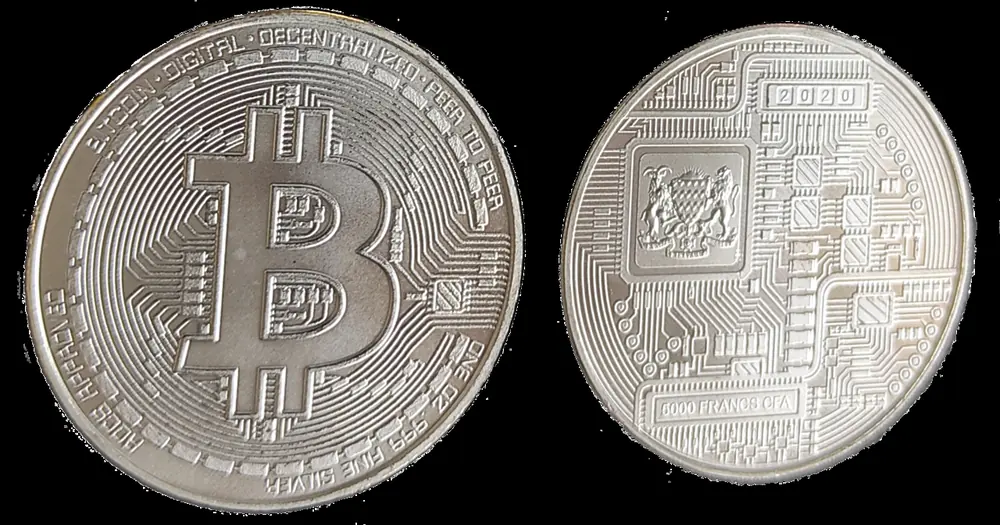
Why cricket and crypto fit together
Cricket is a global sport played across almost every time zone, with games that can last three hours or five days. Crypto sportsbooks are open around the clock and settle in coins that don't care about bank hours. That combination suits cricket in a few specific ways:
- Depth of markets. Crypto books with a global customer base, including big audiences in South Asia, often list far more cricket markets than an Irish high-street app: ball-by-ball in-play, session runs, individual batter totals, bowler wickets, method of dismissal and more.
- Odd hours. An Australian Test starts in the middle of the Irish night. A crypto book doesn't need a bank transfer to clear on a Sunday to top up your balance.
- Long settlement windows. A five-day Test or a two-month franchise tournament means your money is tied up for a long time — and that's exactly where coin choice matters, because a volatile coin can move far more than the odds do.
But crypto also adds costs and risks that a euro account doesn't have: network fees, exchange spreads, price swings, irreversible mistakes and the fact that offshore books sit outside Irish regulation. We'll go through all of it.
Ireland and cricket: the quick background
If you're new to the sport, it helps to know Ireland's place in it. Cricket Ireland governs the game on the whole island. Ireland, together with Afghanistan, were granted Full Member status by the International Cricket Council in 2017, which opened the door to Test cricket. Ireland's first Test was against Pakistan at Malahide in May 2018, and their first Test win came against Afghanistan in Abu Dhabi in 2024, followed by a home Test win over Zimbabwe at Stormont later that year.
Ireland's one-day and T20 history has some legendary nights: beating Pakistan on St Patrick's Day at the 2007 World Cup, Kevin O'Brien's 50-ball hundred to beat England at the 2011 World Cup in Bangalore, and a rain-affected win over England at the MCG in the 2022 T20 World Cup. At home, the interprovincial competitions between Leinster Lightning, Munster Reds, Northern Knights and North West Warriors are the top domestic level.
Why does any of that matter for betting? Two reasons. First, Ireland's international games are where Irish punters are most tempted to bet with their hearts — always a warning sign. Second, Irish domestic cricket is rarely priced at all by offshore crypto books, so most of what you'll actually bet on is international and franchise cricket played far from home.
The formats, and why each one bets differently
Cricket comes in very different shapes. A market that makes sense in a T20 can be nonsense in a Test.
| Format | Length | Key betting feature | Typical crypto-book coverage |
|---|---|---|---|
| Test match | Up to 5 days | The draw is a real outcome; weather and pitch wear dominate | Match result (3-way), innings runs, session runs, top batter/bowler, series |
| One-Day International (ODI) | 50 overs a side, one day | Rain and DLS often decide results; ties possible | Match winner, innings totals, top batter/bowler, player runs |
| T20 International | 20 overs a side, ~3.5 hours | Very high variance; toss and dew can matter | Match winner, powerplay runs, sixes, player props, in-play |
| Franchise T20 (IPL, Big Bash, The Hundred, CPL, PSL, SA20 and others) | 20 overs (The Hundred: 100 balls) | Huge liquidity for the big leagues; long tournaments | Deepest markets of all, including outrights and top run-scorer |
| Domestic first-class / list A | Varies | Thin markets, big margins | Patchy; Irish interpros rarely listed |
The format should drive your staking. A T20 coin-flip at 1.90 is a high-variance bet; a Test draw at 3.50 on a flat pitch with rain forecast can be a very different, very considered bet.
Irish time zones: when the cricket actually happens
This sounds trivial but it changes how you bet. Being awake, alert and sober when your money is in play is half of decent bankroll management.
| Where | Typical local start | Irish time (approx.) | Watch out for |
|---|---|---|---|
| India (IPL evening game, spring) | 7:30 PM IST | 3:00 PM (Irish summer time) | Dew in the second innings |
| India (IPL afternoon game) | 3:30 PM IST | 11:00 AM | Heat, slower pitches |
| Australia (Test, December) | 10:30 AM AEDT | 11:30 PM the night before | Betting tired at 3 AM |
| Australia (Big Bash evening) | 7:15 PM AEDT | 8:15 AM | Breakfast-time impulse bets |
| England (Test / The Hundred) | 11:00 AM / evening | Same as Ireland | Rain interruptions |
| Caribbean (CPL) | Afternoon/evening local | Late evening to after midnight | Late-night chasing |
| Ireland home internationals | 10:45 AM–1:45 PM typical | Same | Irish weather — check the forecast twice |
All times are rough guides; daylight saving shifts in Ireland, Australia and elsewhere move them by an hour, so always check the fixture time in your own time zone. A good rule: if a match is live while you'd normally be asleep, either pre-set your bets before bed or skip it. In-play betting at 3 AM is how people lose a week's wages.
How cricket odds are shown, and the margin hiding in them
Crypto books almost always use decimal odds, and many let you switch to fractional or American. Implied probability is 1 ÷ decimal odds. In a two-way cricket match market, an invented example:
- Team A 1.80 → 55.6%
- Team B 2.05 → 48.8%
- Total 104.4%, so the margin is about 4.4%.
Fair prices after removing the margin: Team A about 1.88, Team B about 2.14. Cricket match-winner markets at big crypto books for major internationals and the top franchise leagues can be quite competitive, but side markets — top batter, sixes, method of dismissal — often carry much fatter margins, sometimes 15–30% across the whole market. Our odds calculator strips the margin out for you, and our explainer on what the minus sign means in betting helps if your book shows American odds like −125.
The match-winner market, format by format
Limited-overs: two-way and the tie question
In ODIs and T20s, the match-winner market is usually two-way: Team A or Team B. Ties are rare but they happen, and how they settle depends on the competition and the book:
- Super over used: many T20 competitions and knockout games decide ties with a super over. Most books then settle the match-winner market on the official winner, including the super over.
- No super over (tie stands): some bilateral games can end as an official tie. Books commonly apply dead-heat rules to two-way markets — roughly, half your stake is paid at full odds and the other half is lost — or offer a separate "tie" price.
- Three-way markets: some books list "tie" as its own outcome at long odds (often 30.00 to 50.00 for an ODI). If you back Team A in a three-way market and it's tied, you lose.
Worked example (invented): €20 on Team A at 1.90 in a two-way market. The match is an official tie with no super over, and the book applies dead-heat rules. You get €10 × 1.90 = €19 back. Not a loss of the whole stake, but not a win either. Always read the cricket section of the book's rules before your first bet.
Tests: the draw changes everything
Test match-result markets are three-way: Team A, draw, Team B. The draw is a genuine and often likely outcome, especially on flat pitches, in wet weather or when one side is happy to bat out time.
| Invented Test scenario | Team A | Draw | Team B |
|---|---|---|---|
| Before day one, green pitch, sunny week | 1.85 | 5.50 | 3.10 |
| Day three, lots of rain lost | 2.60 | 1.70 | 8.00 |
| Day five, Team B 4 down chasing 320, 60 overs left | 2.10 | 2.40 | 5.50 |
Look at how the draw price moves from 5.50 to 1.70 once rain eats into the game. Test markets reward people who follow the weather and the overs remaining more than people who just know which team is "better".
Rain, DLS and abandoned games
Cricket and rain are old friends, especially if you watch it in Ireland. For one-day and T20 cricket, when overs are lost, the Duckworth-Lewis-Stern (DLS) method resets the target for the side batting second. For betting:
- Match winner: usually settled on the official result, including DLS results. If the match is abandoned with no result, match-winner bets are usually void (stake returned).
- Innings and player totals: often require the innings to run its scheduled overs, or a minimum number of overs, for bets to stand. If an innings is shortened, many books void totals that weren't already decided. Some settle bets already "won" (for example, over 150.5 runs once the 151st run is scored).
- Tests: a washed-out day doesn't void anything; it just makes the draw more likely. If an entire Test is abandoned without a ball bowled, bets are usually void.
Worked example (invented): you back "Team A first innings over 285.5 runs" at 1.87 in an ODI. Rain cuts the match to 40 overs a side while Team A are on 120 for 2. Under typical rules, your bet is void because the innings won't be the full 50 overs — stake back. If the cut came after they'd passed 286, the bet would usually settle as a winner. Rules differ between books; read them, because cricket rules sections are usually long for a reason.
Toss, innings and session markets
The toss: a pure coin flip, often priced around 1.90–1.95 each side. That price means you're paying a margin on a 50/50 event. It's a fun bet, not a strategy.
Innings runs: over/under on how many runs a team scores in an innings. In T20s, lines often sit somewhere between 150 and 200 depending on the ground; in ODIs, 250 to 330. The line is set from the pitch, the ground's history, the batting lineups and the weather.
Powerplay runs: in T20s, the first six overs with fielding restrictions. A typical invented line: 48.5 runs at 1.87 each way. Early-innings dew, a new white ball swinging under lights, or a slow pitch all push the number down.
Session runs (Tests): runs in a session (morning, afternoon, evening). Markets can be tight but they move quickly with wickets.
Fall of first wicket / opening partnership: over/under on the opening stand. High variance: an opening pair can be gone in the first over or put on 150.
Top batter, top bowler and dead heats
"Top team batter" means the player who scores the most runs for their side in a specified innings or match. "Top team bowler" means most wickets (with tie-breakers like fewest runs conceded, depending on the book).
These markets usually have 8–11 runners and carry big margins. Typical invented book for a team's top batter in an ODI:
| Player (example) | Odds | Implied % |
|---|---|---|
| Opener 1 | 4.00 | 25.0% |
| Opener 2 | 4.50 | 22.2% |
| No. 3 | 4.50 | 22.2% |
| No. 4 | 5.50 | 18.2% |
| No. 5 | 7.00 | 14.3% |
| Keeper (No. 6) | 9.00 | 11.1% |
| All-rounder (No. 7) | 13.00 | 7.7% |
| Rest (each at 26.00) | 26.00 | 3.8% × 4 |
Total: about 136%. That's a 36% margin. Even a well-informed bettor is starting from a big hole. If you play this market, you need a strong, specific reason — for example, a batter who is confirmed to open instead of batting at five.
Dead heats: if two batters tie for top score, dead-heat rules apply. Your stake is divided by the number of tied players and paid at full odds on that fraction. Worked example (invented): €10 on Opener 1 at 4.00, who ties with No. 3 on 68. You're paid on €5 at 4.00 = €20 back. The other €5 is lost. Net +€10 rather than +€30.
Did not bat: books vary on what happens if your player doesn't bat. Many settle as a loser if the player took the field; others void. Check before betting on lower-order players or on a match that could be rain-affected.
Player runs, wickets and specials
Over/under player runs (for example, Opener 1 over 29.5 runs at 1.83) are among the most popular cricket props. Things to know:
- Distribution is lopsided. A batter's runs are not evenly spread. Many innings end cheaply and a few go big. The median is usually lower than the average, which is why "under" on star batters wins more often than casual punters expect.
- Batting position matters. An opener facing the full 20 overs has more chance to score than a No. 6 who might face 8 balls.
- Not-out rules: for runs props, a player who is not out at the end of the innings is settled on runs scored. Retired-hurt rules vary.
Bowler wickets (for example, over 1.5 wickets at 2.20) depend on overs bowled; a bowler taken out of the attack early can't reach the line. Method of dismissal markets (caught, bowled, LBW, run out, stumped) are fun but carry fat margins: caught is almost always the most likely way out, and the price reflects that.
Specials — total sixes, highest opening partnership, a fifty in the match, a century in the match — can be entertaining. Treat them as fun money, not a core bet.
Series and tournament outrights
Outrights cover a whole series or tournament: series winner (often three-way in Test series, with a draw), tournament winner, top run-scorer, top wicket-taker. In big franchise tournaments, outrights stay open for weeks, which matters with crypto because your stake sits in the book's wallet for the entire period.
Worked example (invented): you put 50 USDT on a franchise team to win a T20 league at 6.00 before the first ball. The tournament runs for about eight weeks. If you'd used bitcoin instead, a 15% move in the BTC price over those weeks would change your stake's euro value more than the difference between 6.00 and 6.50 odds. That's why we'll spend a long section on coin choice.
For top run-scorer markets, think about how many innings each player will get. Openers on teams likely to reach the knockout stages get more innings and more balls. That tends to show up in the price, but injuries and squad rotation can shift things during a long tournament.
Ireland internationals: special care
Betting on Ireland is where Irish punters most often lose discipline. A few honest points:
- Prices reflect the gap. Against the top Full Members, Ireland are often big underdogs in ODIs and Tests. Long odds are long because upsets are rare, even if the 2007 and 2011 memories are vivid.
- T20 narrows the gap. Shorter formats give underdogs a better chance. That's often reflected in shorter Ireland prices in T20Is than in ODIs against the same side.
- Weather at home. Irish summers bring plenty of rain-affected games. For home internationals, check the forecast and the settlement rules for shortened matches.
- Heart over head. If you only ever back Ireland, you're not betting on cricket, you're paying to support the team. That's fine if you see it as entertainment and size it as such.
How a T20 price is built (a rough model)
It helps to understand, roughly, how bookies think about a limited-overs match, because it shows you where your own view might differ.
- Par score. For the ground and conditions, what's a typical first-innings total? Say 172 in an invented T20.
- Team strength. Batting depth, bowling attack and recent form adjust that par for each side. A strong batting side might be expected to make 180 at that ground, a weaker one 165.
- Chase factor. Dew, pitch wear and ground history decide whether chasing is easier or harder. If chasing teams win 55–60% of games at a ground, that's built in once the toss is known.
- In-play resources. Once the game is going, the key inputs are runs needed, balls left and wickets in hand. A side needing 60 off 36 balls with seven wickets left is in a very different spot from one needing 60 off 36 with three left.
Worked sketch (invented): Team B need 54 from the last 30 balls with six wickets in hand — a required rate of 10.8 an over. At a high-scoring ground with dew, a model might give them about 45%, so a fair price is around 2.20. If the book shows 2.60 because Team B just lost a wicket and the market has overreacted, that's the kind of gap an in-play bettor looks for. If it shows 1.90, the market thinks more of the chase than your model does — and markets are usually right more often than individual punters.
Crypto book vs Irish app for cricket: an honest comparison
| Feature | GRAI-licensed Irish app | Offshore crypto book (e.g. Cloudbet) |
|---|---|---|
| Regulation in Ireland | Licensed by GRAI, Irish complaint route | Not GRAI-licensed; Curaçao licence |
| Currency | Euro | Crypto (stablecoins, BTC, ETH and others) |
| Cricket market depth | Good on big internationals and major leagues | Often very deep, especially on IPL and South Asian cricket |
| Deposit and withdrawal | Card or bank, with chargeback options on cards | Blockchain transfers, irreversible, network fees |
| Identity checks | Upfront under Irish rules | Tiered; documents required past a deposit threshold |
| Safer-gambling tools | To Irish standards | Available, but to the operator's own standards |
Neither is "better" for everyone. If protection and euro simplicity matter most to you, a licensed Irish operator is the safer choice. If you already use crypto and want the deepest cricket markets, an offshore book might appeal — with the trade-offs above clearly understood.
A short cricket betting glossary
- DLS: Duckworth-Lewis-Stern method for resetting targets in rain-shortened limited-overs games.
- Powerplay: the opening overs with fielding restrictions (first six in a T20).
- Super over: a one-over-per-side tie-breaker used in many T20 and knockout games.
- Dead heat: a tie in a "top" market; stake split between tied players.
- Session: a block of play in a Test (morning, afternoon, evening).
- Par score: the typical first-innings total for a ground and conditions.
- Required run rate: runs needed ÷ overs left, for the chasing side.
- Follow-on: in Tests, a side trailing by a big margin can be asked to bat again immediately — changes the draw maths.
- Declaration: a Test captain ending an innings early to give the bowlers time to win — another draw-price mover.
- Overround: the total implied probability of a market above 100%; the bookie's margin.
Women's cricket and smaller markets
Women's international and franchise cricket has grown fast, and some books now price a fair number of games, including Ireland Women's internationals. These markets usually have lower liquidity, so margins on match winners and especially on side markets can be noticeably higher than for the men's IPL or a big Test series. Prices can also move sharply on small amounts of money. If you follow women's cricket closely, your knowledge can be a real edge — but keep stakes modest and check the margin before you bet.
The same applies to Associate cricket — games between nations below Full Member level, and qualifying tournaments. Information can be patchy, team sheets late and data thin. Some bettors like that because the bookie knows less; others avoid it because the margins are high. Either way, smaller stakes are wise.
A five-day Test plan with crypto (invented)
Tests are where crypto's quirks matter most, because your money and your attention are tied up for days. Here's how a calm approach might look for a Test in England, played on Irish time.
Before day one. You set aside 60 USDT for the match. The forecast shows rain on days two and four. Invented prices: home side 1.95, draw 3.60, away side 4.20. Your view: the forecast makes a draw more likely than 3.60 suggests (27.8% implied). You put 15 USDT on the draw at 3.60. You decide not to bet the match result again unless the draw price moves above 3.00 after day two, and you won't stake more than 15 USDT more on the whole Test.
Day two. Rain takes half the day. The draw shortens to 2.40. Your bet looks good, but you don't "lock in" anything — no hedge, because you'd pay the margin twice.
Day three. Sunny, and the home side bowl the visitors out cheaply. The home win shortens to 1.70; the draw drifts to 2.90. Your rule said "above 3.00", so no extra bet. You're nervous, but the rule is the rule.
Day four. More rain. The draw shortens again to 1.80.
Day five. The home side need ten wickets in a shortened day and take seven. Draw. Your 15 USDT returns 54 USDT. Because you used USDT instead of BTC, the result in euro is close to what you expected — no extra coin swing to worry about.
The point isn't that the draw always wins (it doesn't). It's that you had a plan, a cap and a reason, and you didn't spend five days betting every session because the game was on in the background. That's the difference between enjoying Test cricket and being chewed up by it.
Choosing a coin for cricket betting
This is where crypto cricket betting really differs from betting in euro. Your stake is denominated in a coin, and the coin's value can move during the match. For a three-hour T20 that's a small issue; for a five-day Test or an eight-week tournament outright it can be the biggest factor in your result.
| Coin type | Examples | Price risk vs euro | Best for |
|---|---|---|---|
| Dollar stablecoins | USDT, USDC, DAI | Low vs dollar; small EUR/USD exchange-rate movement | Almost all cricket betting, especially Tests and outrights |
| Bitcoin | BTC | High | People who already hold BTC and accept the swings |
| Ether | ETH (mainnet or layer 2s) | High | Same as above; watch gas on mainnet |
| Fast/cheap coins | LTC, SOL, TRX, XRP and others | High | Quick deposits; price risk still there |
Cloudbet's supported list (as published in its help centre and terms) includes BTC, ETH, USDT on several networks, USDC, DAI, LTC, SOL, XRP, TRX and many others. Coin lists change, so always check the deposit screen. Bridged or wrapped versions of tokens (like USDC.e) aren't supported, and sending one can mean losing it.
The price-risk maths (invented numbers)
Suppose you want to bet the equivalent of €100 on a Test series outright at 3.00. You can stake in USDT or BTC. The series lasts five weeks. Here's what happens in three invented scenarios where your bet wins:
| Scenario | USDT stake (≈ €100) | USDT payout in euro | BTC stake (≈ €100) | BTC payout in euro |
|---|---|---|---|---|
| BTC flat | €100 | ≈ €300 | €100 | ≈ €300 |
| BTC −20% | €100 | ≈ €300 | €100 | ≈ €240 |
| BTC +20% | €100 | ≈ €300 | €100 | ≈ €360 |
And if the bet loses, the coin movement doesn't matter — you've lost the stake either way. A 20% BTC swing over five weeks isn't unusual. That means your result depends on two bets at once: the cricket and the coin. If you want to bet on cricket, use a stablecoin and keep it simple. If you want to bet on bitcoin, that's a different hobby. Our page on betting on crypto prices explains why mixing the two is risky.
A small point on stablecoins: USDT and USDC track the US dollar, not the euro. Over a few weeks, the EUR/USD rate typically moves a little, and that small movement also affects your euro result. It's minor compared with bitcoin swings, but it's not zero.
18+. Crypto deposits. Cloudbet is licensed in Curaçao and is NOT licensed by the GRAI. Irish gambling law changed in 2026: only GRAI-licensed operators may lawfully take bets from Irish customers. Ad: we may earn a commission. Bet only what you can afford to lose.
Networks, fees and the costs nobody puts on the advert
USDT exists on several blockchains, and you must deposit on a network the book supports. At Cloudbet, USDT is listed on networks including Ethereum, BNB Smart Chain, Avalanche C-Chain, Solana, Polygon, Tron and TON. The network you choose changes the fee and the speed.
| USDT network | Typical fee level (illustrative) | Speed | Notes |
|---|---|---|---|
| Ethereum (ERC-20) | Can be several dollars when busy | Minutes | Expensive for small deposits |
| Tron (TRC-20) | Usually around a dollar or so at exchanges | Fast | Very popular for betting deposits |
| BNB Smart Chain (BEP-20) | Low | Fast | Don't confuse with Ethereum addresses that look similar |
| Solana | Very low | Very fast | Check your wallet supports SPL tokens |
| Polygon | Very low | Fast | Make sure it's native USDT, not a bridged version |
| TON | Low | Fast | May need a memo/comment — read the deposit screen |
Fees change with network congestion and with what your exchange charges, so treat the table as a rough guide. The point is relative: sending 20 USDT on a busy Ethereum mainnet can cost a big slice of your deposit, while Tron, Solana or Polygon usually cost much less.
The full cost of a betting round trip (invented)
Here's what a single euro → USDT → bet → USDT → euro round trip might cost an Irish punter. All numbers invented:
- Buy 110 USDT with €100 at an exchange: spread and fee about €1.00.
- Withdraw USDT to the sportsbook on Tron: network fee about €1.00.
- Bet, break even, request withdrawal back to your exchange: network fee on the way out about €1.00.
- Sell USDT back to euro: spread and fee about €1.00.
- Bank withdrawal from the exchange: €0–€1.
Total friction: about €4–€5 on €100, or 4–5% — and that's before any betting margin. If you do that every weekend with small amounts, the fees can cost you more than the bookmaker's margin. The fix is simple: deposit less often, in planned amounts, and withdraw in larger chunks.
A safe deposit routine
- Check the coin and network on the book's deposit screen. Copy the address exactly — use copy and paste, never type it.
- Check memo or tag requirements. Some coins and networks (for example XRP, XLM, TON and some HBAR deposits) need a memo or tag. Missing it can mean the funds don't arrive in your account.
- Check the minimum deposit. Deposits below the minimum shown may not be credited.
- Send a small test amount first if it's your first time on that network.
- Wait for confirmations. Most fast networks clear in minutes. Bitcoin can take longer when the network is busy.
- Record it. Write down the date, coin, amount, network, euro value and transaction hash.
Crypto transactions are irreversible. If you send to the wrong network or the wrong address, there's often no way to get the money back. Our crypto deposit guide goes into more detail, and depositing crypto step by step walks through the screens.
Withdrawals and KYC
Winning a bet is only half the job; getting your money back is the other half. At Cloudbet, withdrawals are typically processed within 24 hours, with the network fee shown before you confirm, and minimum withdrawal amounts depend on the coin.
On identity checks: Cloudbet's terms set verification levels. Once cumulative deposits reach about US$2,200, the account can be limited until you provide ID, proof of address and a face check. So "no KYC" is only true up to a point, and you can be asked for documents at a later stage. If that would be a problem, don't deposit more than you're willing to verify. Our article does Cloudbet have KYC? explains the levels in plain language, and the crypto withdrawal guide covers the process.
Withdraw to a wallet you control or to your own exchange account in your own name. Keep a record of every withdrawal with the transaction hash. It helps for disputes and for your own accounts.
Bonuses for cricket bettors: what actually applies
Be careful with bonus banners. Cloudbet's Welcome Package (per its terms) is a 30-day rewards programme worth up to US$2,500, activated by your first deposit. A big chunk of it comes from casino rakeback, which sports betting doesn't earn. For sports bettors, the relevant part is the weekly sports cash drops, based on settled sports bets. There are also loyalty tiers based on lifetime turnover across sports and casino.
For a cricket bettor, the takeaway is: don't let a bonus change how much or how often you bet. Rewards that depend on turnover encourage you to bet more, and betting more on side markets with 20–30% margins is a great way to lose money faster than any bonus can repay.
Reading the conditions: pitch, weather, dew and toss
Cricket is more affected by conditions than almost any other sport. A decent cricket bettor spends more time on the pitch report and the forecast than on team form.
The pitch
- Flat, hard pitches favour batters: higher innings totals, more sixes, more chance of a Test draw if the weather also helps.
- Green, grassy pitches help seam bowlers early: lower first-innings totals, more early wickets, lower powerplay scores.
- Dry, cracking pitches help spinners as the game goes on: crucial in Tests in South Asia, and on slower T20 surfaces.
- Used pitches late in a franchise tournament can slow down and lower totals compared with the start of the season.
Ground history helps. If the average first-innings score at a ground over recent seasons is about 175 in T20s and the book's line is 185.5, ask why. Maybe it's a smaller boundary this year, or two big-hitting line-ups. Or maybe the line is just a little high. That's where value sometimes sits.
Weather
For Tests, rain makes draws likelier and shortens sessions. For one-day and T20 cricket, rain brings DLS and can void totals markets. Overcast, humid conditions help swing bowlers. Check a reliable forecast for the ground on the day, not just the city.
Dew
In evening games in parts of India and other warm countries, dew can make the ball wet and slippery in the second innings, so it's harder for bowlers to grip, especially spinners. That tends to help the chasing side. Captains know it, which is why teams winning the toss often choose to bowl first in dewy conditions. If you're betting on a match-winner before the toss, dew is one of the reasons the price can jump the moment the toss result comes in.
The toss and team news
Playing XIs are usually confirmed at the toss, about 30 minutes before the start. Betting before the toss means betting without knowing the team or who bats first. Betting after it means the price already reflects that information. Neither is automatically better, but if your bet depends on a particular player playing, wait for the team sheet.
Franchise leagues: quirks worth knowing
Each franchise league has its own rules, and those rules affect markets:
- IPL: the biggest and most liquid market. The league has used an "impact player" substitute rule in recent seasons, which deepens batting line-ups and has pushed totals up. If you use older totals data, it may understate scoring.
- Big Bash (Australia): plays over the Irish winter, mostly in the morning and early afternoon Irish time. Grounds vary a lot in size, which matters for sixes and totals.
- The Hundred (England): 100 balls per side rather than 20 overs, with ends changing every ten balls. Lines and stats from T20 cricket need adjusting.
- CPL (Caribbean): late-night Irish time, smaller grounds, big hitters, and plenty of rain interruptions.
- Other leagues: PSL, SA20, ILT20 and others each have their own conditions, squads and scheduling. Liquidity is lower than the IPL, so margins on side markets can be bigger.
Always check whether a franchise league's specific rules (substitutes, overseas player limits, ball changes) affect the market you're betting on. A rules change in a league can make last season's stats a poor guide.
In-play cricket betting with crypto
In-play cricket is a huge market at crypto books, because the sport has natural pauses between balls and overs. It's also where people get into the most trouble.
- Ball-by-ball volatility. A wicket can move a T20 match-winner price from 1.60 to 2.40 instantly. A big over can swing it back.
- Suspensions. Markets often suspend during each delivery and reopen after. Your bet may be rejected or accepted at a new price.
- Stream delay. TV and streaming pictures can lag the real action by several seconds or more. Other bettors and the bookie's data feed may be ahead of what you're watching. Assume you're the last to know.
- Chasing. Long matches make it easy to keep betting "to get it back". In a five-day Test, that urge can last all week.
Two rules that help a lot: decide before the match what situation would make you bet in-play, and set a hard limit for in-play stakes for that match. If that situation doesn't come up, close the app.
Example plan (invented): "If Team B lose two wickets in the powerplay while chasing 180 and the match price for Team A drops below 1.40, I'll bet no more than 10 USDT on Team B at 3.00 or longer, once." That's specific, limited and written before the emotions arrive.
Strategy ideas that make sense (and some that don't)
Ideas with a logical basis
- Specialise. Pick one or two leagues or formats and follow them closely. Bookies price hundreds of games; you only need to know a few well.
- Weather-led Test bets. When a Test forecast shows lots of rain and the draw price hasn't fully adjusted, the draw can be value. Equally, a clear forecast and a fast-deteriorating pitch can make the draw too short.
- Unders on star batters. Because runs are lopsided, the median is often below the posted line. The under doesn't always win, but popular players sometimes have inflated lines because of public money.
- Compare prices. A difference between 1.80 and 1.90 on a match winner is a big edge over time. Shop around within the books you use.
- Track your closing line. Write down the price you took and the price at the start of the match. If you regularly beat the starting price, you're probably finding real value.
Ideas to avoid
- Martingale staking (doubling after losses). Cricket has long losing runs, and the stake grows faster than any bankroll.
- Huge accumulators of match winners. Each leg carries a margin, and the margins compound. Our accumulator calculator shows how fast the real win chance shrinks.
- "Sure things" at 1.10. A heavy favourite in a T20 still loses often enough to wipe out ten small wins.
- Tipsters selling "fixed match" info. These are scams. Report them, don't pay them.
Bankroll and staking for long tournaments
Cricket tournaments run for weeks. That means many bets, long losing runs and lots of temptation. A simple framework:
| Bankroll (USDT, invented) | Flat stake at 2% | Flat stake at 5% | Max in-play per match (suggested) |
|---|---|---|---|
| 100 | 2 | 5 | 5 |
| 250 | 5 | 12.5 | 10 |
| 500 | 10 | 25 | 20 |
| 1,000 | 20 | 50 | 40 |
Pick a bankroll for the tournament, before the first match, that you could lose without it affecting rent, bills or relationships. Stake 2–5% per bet. Don't top up mid-tournament. If you're up, withdraw some profit to your own wallet so it's not sitting there to be bet again.
Example (invented): a 250 USDT bankroll for an eight-week T20 league, flat 5 USDT bets, maybe 3–4 bets per week. That's about 30 bets. Even if you're good, you could easily lose 8 or 10 in a row at some point. At 5 USDT, that's 40–50 USDT — painful, but survivable. At 25 USDT per bet, it would wipe out the bankroll.
Keeping records in coin and euro
Crypto makes record-keeping more important, not less. Keep a simple spreadsheet with:
- Date, match, market, odds, stake in coin, stake in euro at the time.
- Result, payout in coin, payout in euro at the time.
- Deposits and withdrawals with network fees and transaction hashes.
At the end of each month, compare what you've put in and taken out in euro terms. That's your real result — not the number on the sportsbook balance. It's common for people to think they're "up" because their balance looks healthy, when fees, spreads and coin movements say otherwise.
Tax pointers for Irish punters (not tax advice)
In Ireland, betting winnings are generally not taxed in the hands of the punter in the way income is; betting duty is a tax on bookmakers. Crypto is a separate issue. Disposing of crypto — selling it for euro, or swapping one coin for another — can be a disposal for Capital Gains Tax purposes. Irish CGT is generally charged at 33% on gains above an annual personal exemption (€1,270 at the time of writing). So if you buy USDT, the dollar strengthens and you sell for more euro than you paid, or you hold BTC that rises before you sell, there may be a gain to think about. Our page on betting duty in Ireland covers the bookmaker side. For your own situation, check Revenue's guidance or talk to a qualified adviser — this isn't tax advice.
A worked IPL afternoon (fake prices, real process)
It's a Sunday in April. There's an IPL evening game starting at 3:00 PM Irish time. You've set a 100 USDT bankroll for the tournament and 5 USDT flat stakes. You deposited 100 USDT on Tron at the start of the tournament (network fee about 1 USDT).
Pre-match: invented prices Team A 1.85, Team B 2.00. The pitch report says it's a high-scoring ground with dew expected later. You lean towards the team batting second, but you wait for the toss.
Toss: Team B win and bowl first. Team B's price shortens to 1.88, Team A drifts to 1.98. You think the dew edge is worth more than that shift, so you bet 5 USDT on Team B at 1.88.
First innings: Team A post 192. The second-innings total market opens at 186.5. You don't bet — you don't have a view.
Second innings: Team B lose two early wickets; their price drifts to 2.60. Your pre-written in-play rule was "only if Team B are 3 down inside the powerplay at 3.00 or longer". They're 2 down; no bet. Team B win off the final over. You get 9.40 USDT back on 5 staked.
Record: stake 5 USDT, return 9.40 USDT, profit 4.40 USDT. Running total for the tournament updated. App closed. Dinner.
What to check before using any crypto book for cricket
Before you deposit a single coin for cricket, spend ten minutes on the boring bits. They decide how your bets settle and how easily you get paid.
- Cricket rules section. Find the book's specific cricket settlement rules: ties, super overs, DLS, minimum overs for totals, "did not bat", abandoned matches, and how Test draws are handled in two-way versus three-way markets. If you can't find them, that's a red flag.
- Coverage. Check that the leagues and formats you follow are actually listed, including side markets you care about. Some books carry deep IPL markets but only match winners for smaller series.
- Limits. Maximum stakes on niche cricket markets can be low, and some books cut limits for winning players. Know that before you build a strategy around a market.
- Coins and networks. Confirm the stablecoin and network you plan to use is supported both for deposits and for withdrawals.
- Withdrawal terms. Minimums, fees, processing times and any verification triggers.
- Safer-gambling tools. Deposit limits, time-outs and self-exclusion. Set a limit on day one, while you're calm.
- Country terms. Make sure the operator's terms don't restrict your location, and remember that "accepts Irish players" is not the same as "licensed in Ireland".
Write the answers down in a note. If anything goes wrong later, you'll be glad you checked what the rules said on the day you signed up, rather than trying to remember.
Common mistakes with crypto cricket betting
- Staking in bitcoin on a long Test or outright and forgetting the coin can move more than the odds.
- Sending USDT on the wrong network, or forgetting a memo or tag.
- Depositing small amounts every week and losing 4–5% each time to fees and spreads.
- Not reading the rain, DLS, tie and "did not bat" rules.
- Playing high-margin side markets (top batter, method of dismissal) as if they were fair.
- Betting in-play at 3 AM during an Australian Test.
- Backing Ireland every time out of loyalty.
- Letting a bonus or rewards tier dictate how much you bet.
- Not keeping records in euro, so you don't know your real result.
- Assuming an offshore crypto book gives you the same protections as a GRAI-licensed one.
A quick checklist before every cricket bet
- Format and market confirmed? (Two-way, three-way, total, player, outright?)
- Settlement rules read for rain, DLS, ties and players not batting?
- Pitch, weather and dew checked?
- Team news or toss result known, if your bet depends on it?
- Margin stripped and fair price compared?
- Coin: stablecoin, unless you deliberately want coin exposure?
- Stake within 2–5% of a pre-set bankroll?
- Reason for the bet written in one sentence?
Licensing and your protections in Ireland
The GRAI became Ireland's gambling regulator in 2026: the commencement order was signed in February 2026, and the first remote betting licences took effect from July 2026. GRAI-licensed operators must follow Irish rules on safer gambling, advertising and complaints. Offshore crypto sportsbooks such as Cloudbet are not GRAI-licensed. Cloudbet holds a Curaçao licence. That means:
- No GRAI complaint route if there's a dispute about a bet, a withdrawal or an account closure.
- Safer-gambling tools exist on the site, but they're not set to Irish standards.
- Crypto transactions can't be charged back like a card payment.
Read the terms, start small and never deposit money you can't afford to lose. Our guides on whether gambling with crypto is legal and Ireland's new gambling law explain the legal picture in more detail.
Responsible gambling: cricket's long days
Cricket is a beautiful game to follow, and that's part of the danger: there's always another match, another session, another over. A five-day Test or a two-month franchise league can turn a bit of fun into a constant background habit. Some warning signs: betting on games you wouldn't otherwise watch, betting at odd hours because a match happens to be on, topping up mid-tournament, or hiding your betting from people close to you. Set deposit limits on any site you use, take breaks between tournaments, and use the self-exclusion tools if you need them. If it's stopped being fun, call Gambling Care / Dunlewey on 1800 936 725 (ROI) or 08000 886 725 from Northern Ireland. Our responsible gambling page lists more support options.
Related guides
If you bet on other sports with crypto, see our guides to betting on sports with crypto, soccer betting with crypto and esports betting with crypto. For general tennis-style two-way markets, how to bet on tennis covers similar match-winner maths, and how to bet on a moneyline explains American odds.
My take
Cricket betting with crypto can be a good fit: deep markets, global coverage and fast deposits that work at any hour. But the sport's quirks — rain, DLS, ties, dead heats and long formats — and crypto's extra costs and risks mean it rewards people who prepare and punishes people who wing it. Use a stablecoin, pick a network with low fees, deposit and withdraw in planned chunks, read the settlement rules, and stick to markets you actually understand. Back Ireland when you want to, in amounts that are about fun rather than profit. And remember: any offshore crypto book we mention, Cloudbet included, is not licensed in Ireland by the GRAI.
Questions players ask
Can I bet on cricket with crypto from Ireland?
Offshore crypto sportsbooks such as Cloudbet list cricket and don't restrict Ireland in their terms, but they are not licensed by the Gambling Regulatory Authority of Ireland, so you have no Irish regulatory protection. GRAI-licensed operators are the regulated option.
Which coin is best for cricket betting?
A dollar stablecoin such as USDT or USDC suits most cricket betting, especially Tests and tournament outrights, because the stake doesn't swing with the bitcoin price. Check the deposit network before sending.
How are rain-affected cricket matches settled?
Match-winner bets usually stand on the official result, including DLS results, and are void if there's no result. Innings and player totals are often void if the innings is shortened before they're decided. Rules vary by book, so read them.
What happens to my top batter bet if two players tie?
Dead-heat rules usually apply: your stake is divided by the number of tied players and paid at full odds on that portion.
Does a super over count in cricket match betting?
Where a super over decides the match, most books settle the match-winner market on the official winner including the super over. Where a tie stands, dead-heat rules or a separate tie price may apply.
Will I be asked for ID at Cloudbet?
Cloudbet's terms set verification levels; once cumulative deposits reach about US$2,200, ID, proof of address and a face check are needed to lift limits. You can be asked for documents at any stage.
Are crypto gains from betting taxed in Ireland?
Betting winnings are generally not taxed for the punter, but selling or swapping crypto can trigger Capital Gains Tax on any gain above the annual exemption. Check Revenue guidance or an adviser; this isn't tax advice.
Are the odds and fees on this page real?
No. All odds, fees and coin values are invented examples to explain the maths.
Where can I get help with gambling in Ireland?
Call Gambling Care / Dunlewey on 1800 936 725 (ROI), free and confidential 24/7. From Northern Ireland call 08000 886 725.
18+. Crypto deposits. Cloudbet is licensed in Curaçao and is NOT licensed by the GRAI. Irish gambling law changed in 2026: only GRAI-licensed operators may lawfully take bets from Irish customers. Ad: we may earn a commission. Bet only what you can afford to lose.
If betting is costing you more than money, free and confidential help is there 24 hours a day, 365 days a year: the Problem Gambling Helpline run by Dunlewey Addiction Services for Gambling Care, on 1800 936 725 (from Northern Ireland: 08000 886 725). Source: grai.ie.