Cash Out Betting Explained for Irish Punters: How the Offer Is Priced, What It Costs You and When It's Worth Taking
Welcome bonus for new players + fast crypto payouts. Just helping a brother out.
18+. Crypto deposits. Cloudbet is licensed in Curaçao and is NOT licensed by the GRAI. Irish gambling law changed in 2026: only GRAI-licensed operators may lawfully take bets from Irish customers. Ad: we may earn a commission. Bet only what you can afford to lose.
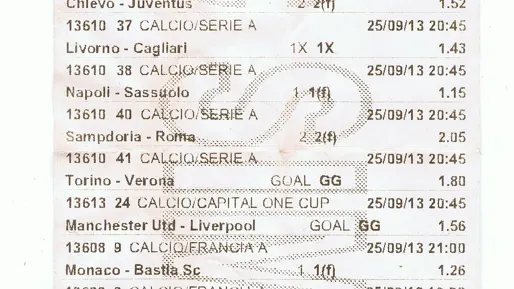
Every punter knows the feeling. Your 3/1 shot is a goal up with twenty minutes left, the cash out button is glowing at €38, and your mate in the pub is telling you to take it. Sometimes he's right. Most of the time, the button is a nicely designed way for the bookie to buy your bet back for less than it's worth. This guide shows you exactly how cash out offers are worked out, what taking them costs you over a season, and the handful of situations where pressing the button genuinely makes sense.
18+ only. Cloudbet is licensed in Curaçao and is not licensed by the Gambling Regulatory Authority of Ireland (GRAI). Gambling Care: 1800 936 725 (NI: 08000 886 725), free and 24/7. All figures below are worked examples, not live prices.
The short answer
- Cash out lets you settle a bet early for an amount the bookmaker offers, before the event is over. You can take all of it, part of it, or set it to happen automatically.
- The offer is the bet's fair value minus a cut. That cut is usually a few percent of the bet's current worth, on top of the margin already built into the original price.
- Taking cash out regularly costs you money. In our season test, cashing out every time you were ahead turned a break-even season into an average loss of about €44 on €1,000 staked.
- It doesn't protect you much from bad seasons. It mostly caps your good ones.
- It can make sense when you have information the price hasn't caught up with, when the bet has grown too big for your bankroll, or when an exchange lay or hedge isn't available.
- Compare before you click. Laying the same selection on an exchange often locks in more.
What cash out actually is
When you place a bet, you're buying a ticket that pays out if your selection wins. Cash out is the bookmaker offering to buy that ticket back from you before the result is known. If your selection is doing well, the offer is above your stake. If it's doing badly, the offer is below your stake, and you get back some of your money rather than none.
There are a few flavours:
| Type | What it does | Watch out for |
|---|---|---|
| Full cash out | Settles the whole bet now for the offered amount | The offer can change or disappear between you seeing it and clicking |
| Partial cash out | Takes some money now and leaves the rest of the bet running | You pay the cash out cut on the part you settle |
| Auto cash out | Settles automatically when the offer reaches a value you set | Can trigger on a short price swing you'd have ridden out |
| Edit bet | Some books let you add or remove selections, effectively cashing out and re-betting | Two cuts: one on the cash out, one on the new bet |
Cash out isn't on every bet. Bookmakers choose which markets offer it, and it's commonly unavailable on some specials, some bet builders, bets placed with certain promotions, and markets that have just been suspended. It's a feature they offer when it suits them, so treat it as optional, not guaranteed.
How the offer is worked out
Under the hood, a cash out offer is roughly:
Offer ≈ stake × original odds ÷ current odds × (1 − cut)
The first part, stake times original odds divided by current odds, is what your bet is worth right now if the current price were fair. The cut is the bookmaker's fee for taking the bet off your hands. Each book has its own formula and doesn't publish it, so treat this as a good working model rather than the exact sum your bookie uses.
Here's a €20 bet at 3.00 (2/1), and what it's worth as the price shortens:
| Current price of your selection | Fair value of your bet | Offer with a 5% cut | Offer with an 8% cut |
|---|---|---|---|
| 2.50 | €24.00 | €22.80 | €22.08 |
| 2.00 | €30.00 | €28.50 | €27.60 |
| 1.50 | €40.00 | €38.00 | €36.80 |
| 1.20 | €50.00 | €47.50 | €46.00 |
And a €20 bet at 2.00 (evens) that's going the wrong way:
| Current price of your selection | Fair value | Offer with a 5% cut |
|---|---|---|
| 3.00 | €13.33 | €12.67 |
| 4.00 | €10.00 | €9.50 |
| 6.00 | €6.67 | €6.33 |
The cut doesn't sound like much. Five percent of €40 is €2. But remember that's on top of the margin already built into the price you bet at. You paid the bookie once when you placed the bet, and you pay again when you sell it back.
You can sanity-check any offer yourself. Look up your selection's current price, do the sum above without the cut, and compare. If the offer is well below your fair value, you're being charged a lot for the convenience. Our odds calculator helps with the conversions.
Why the "current price" is the bookie's price, not the true one
There's a subtle second cost. The "current odds" in the formula are the bookmaker's own live odds, and live odds carry a margin too, often a bigger one than pre-match. If the live price of your selection is a bit shorter than the true chance, your bet's fair value looks lower than it really is, and the offer drops with it. So the real cost of cashing out is the visible cut plus whatever's hidden in the live price. You can't see the second one directly, but you can get a feel for it by comparing live prices across books or against an exchange.
Accumulators: where cash out is most tempting
Cash out is most popular on accas, because that's where the nerves kick in. Take a €10 four-fold at 1.80 a leg. The full payout if all four win is about €104.98.
Three legs have won and the last leg kicks off at 1.80. The fair value of your bet now is €10 × 1.80 × 1.80 × 1.80, about €58.32. A typical acca cash out offer at that point might be 5% to 7% under fair value, so somewhere around €54 to €55. If the last team scores early and goes to 1.25, the fair value climbs to about €83.98, and a 6% cut would offer roughly €78.94.
Should you take it? Ask yourself: would you place a fresh bet of around €55 on that last team at 1.80? If not, cashing out makes sense for you, because holding the acca is exactly the same as having that bet on. If you would happily place that bet, holding is cheaper than cashing out and re-betting. That one question cuts through most acca cash out dilemmas. More on how accas build up their margin in our guide to what an accumulator bet is, and you can price your own with the accumulator calculator.
A Saturday acca from start to finish
Here's the same €10 four-fold at 1.80 a leg, with the value of the bet at each stage assuming the remaining legs are still priced at 1.80 before they start, and a 6% cash out cut:
| Stage | Fair value | Likely offer (6% cut) | Cost of cashing out here |
|---|---|---|---|
| Leg 1 won, three to go | €18.00 | €16.92 | €1.08 |
| Legs 1 and 2 won, two to go | €32.40 | €30.46 | €1.94 |
| Three legs won, one to go | €58.32 | €54.82 | €3.50 |
| All four won | €104.98 | Paid in full | €0 |
Two things stand out. The euro cost of cashing out grows as the acca grows, because the cut is a percentage of a bigger number. And the most expensive moment to cash out is the one where it's most tempting: one leg left, a big number on screen. That's exactly when to run the "would I place this bet?" test rather than going on gut.
Notice too that the acca's own margin is still there underneath. A real four-fold at bookmaker prices has the margin of all four legs multiplied together. Cashing out adds a cut on top of that, so a habit of cashing out accas means paying two layers of margin on the bets that were going best.
Partial cash out, step by step
Partial cash out lets you take some money off the table while keeping part of the bet running. Using the €20 bet at 3.00 that's now 1.50: the full offer at a 5% cut is €38. Cash out half and you get €19 now, and the remaining €10 of stake keeps running at your original 3.00. If it wins, that half pays €30.
That's a reasonable compromise when you're torn, but don't kid yourself that it's free. The half you settle pays the cut, exactly as a full cash out would. Partial cash out is a way of paying for half the comfort at half the price.
The season test: what cash out habits cost
To see the long-run effect, we ran a simple model. You place 100 bets of €10 at 3.00, priced fairly so we can isolate the effect of cashing out. At half-time each bet is either going well (40% of the time, when it then wins 75% of the time) or going badly (60% of the time, when it then wins about 5.6% of the time). That works out to the one-in-three chance a 3.00 price implies.
We compared two punters over 40,000 simulated seasons: one who always holds, and one who cashes out at a 5% cut whenever the bet is going well.
| Strategy | Average season | Seasons in profit | Bad season (1 in 10) | Good season (1 in 10) |
|---|---|---|---|---|
| Always hold | about €0 | about 48% | −€190 or worse | +€170 or better |
| Cash out whenever ahead | about −€44 | about 35% | −€183 or worse | +€95 or better |
This is the bit that surprises people. Cashing out when ahead barely improves the bad seasons, from about −€190 to −€183. What it does is chop the good seasons almost in half and drag the average down by around €44, which is the cut paid on roughly 40 cash outs at about €1.13 each. You end up in profit in fewer seasons, not more. The comfort of "locking in a win" is real, but you pay for it in exactly the seasons you'd otherwise have enjoyed most.
Scale it up and it bites. Thirty cash outs a season at an average value of €40 and a 5% cut is about €60. Fifty at 6% is about €120. A hundred smaller ones at €30 and 7% is about €210. That's the price of the button, before the margin on the bets themselves.
Cash out vs laying on a betting exchange
If you have a betting exchange account, you can usually do better than a bookmaker's cash out by laying your selection yourself. Laying means betting against it at the current price.
Back to the €20 bet at 3.00, now trading at 1.52 to lay on an exchange that charges 2% commission on net winnings. To even out your result, you lay about €39.47 (stake times original odds divided by lay odds), with a liability of about €20.53. Then:
- If your selection wins: you collect €40 profit on the original bet and pay €20.53 on the lay, leaving about +€19.47.
- If it loses: you lose your €20 stake but win the lay, about €38.68 after commission, leaving about +€18.68.
Compare that with the bookmaker's cash out at a 5% cut: €38 back, a profit of €18.00. The lay locks in a little more either way, and the gap grows on bigger bets and bigger cuts. The trade-off is effort, an exchange account, and liquidity: on smaller markets the lay price may not be available in the size you need. Our guide to betting exchanges in Ireland explains how laying works.
Cash out vs hedging with the same bookie
Without an exchange, you can hedge by backing the other outcomes. Say your €20 on Team A at 3.00 would pay €60, and the bookmaker offers 2.80 on "Team A not to win" (the draw or the other side combined, often as a double chance). Bet about €21.43 on that and you collect about €60 whichever way it goes, for a locked profit of about €18.57. That's slightly better than the €18 cash out in the earlier example, but it depends entirely on the hedge price available. On a bigger margin, cash out can win. Work out both before you decide.
The bigger point: cash out is one way to lock in a result, not the only one, and it's usually not the cheapest. It's the most convenient.
Each-way bets and racing
Horse racing cash out comes with an extra wrinkle: each-way bets are really two bets, one to win and one to place. A €10 each-way bet at 10.00 (9/1) with one-fifth odds for three places is €10 to win at 10.00 and €10 to place at 2.80.
In running, if your horse is travelling well and trades at 2.50 to win, the win part of the bet is worth about €40 at a fair price, and the place part is worth more too, because the horse is now very likely to place. A cash out offer covers both parts with one number, which makes it hard to tell what you're being charged. If you bet each-way regularly, note what the win and place parts would be worth separately and compare. Our guide to each-way betting covers the place terms.
Racing cash out is also suspended often: at the off, around fences and hurdles, in the closing stages. At festivals like Cheltenham or Punchestown, in-running prices move very fast. If you want to cash out a racing bet, decide your trigger before the off. Trying to time it in the last furlong rarely goes well. More in our Cheltenham live betting tips.
Ante-post bets and cash out
Ante-post bets, placed weeks or months before an event, can build up huge value if your pick shortens. A horse backed at 20.00 that's now 4.00 makes a €10 bet worth about €50 at a fair price. Cash out can feel like a gift here. Two things to weigh:
- A non-runner usually means an ante-post bet loses. Cashing out removes that risk, which is worth something, especially for a horse with a known fitness or ground question.
- Ante-post markets often carry wide margins, and cash out cuts on long-dated bets can be big. Compare the offer with laying on an exchange before you accept.
Our guide to ante-post betting goes into non-runner rules and how to hedge long-range bets.
Bet builders and same-game multis
Bet builders combine several outcomes from one match. Their prices are calculated by the bookmaker's own pricing model, and the margin on them is usually higher than on a normal acca because the legs are linked. When a bet builder offers cash out, the offer is based on that same model, so you're paying a high margin on the way in and a cut on the way out. If you cash out bet builders often, you're paying two of the biggest margins in the bookie's range. Tips on building them more sensibly are in our bet builder guide.
Free bets and promotions
Bets placed with a free bet token often have cash out disabled. Where they don't, the offer is usually low, because a free bet doesn't return the stake. Example: a €10 free bet at 3.00 returns €20 if it wins (the profit only), while a €10 cash bet returns €30. If the selection is now 1.50, the free bet is fairly worth about €13.33, while the cash bet would be worth about €20. Cashing out a free bet early usually gives up a lot of its value.
Some promotions also say that cashing out a bet means it no longer counts toward the offer, or voids a bonus, or rules out "acca insurance". Read the terms before you click. Our guide to betting promotions in Ireland covers the common catches.
Suspensions, price changes and when the button disappears
Cash out is switched off whenever the bookmaker's live market is suspended: after goals, red cards, penalties, VAR checks, injury stoppages, and at key moments in racing and other sports. It also updates constantly, so the value you see can change in the second it takes to tap.
- Price-change settings. Some apps ask whether to accept a changed cash out value automatically. If you don't, your request can be rejected and you'll need to try again at the new value, which may be worse.
- Delays. Live streams and score feeds lag the real action. Cash out requests usually have a short delay too, so that you can't act on a goal the bookie hasn't seen yet.
- No guarantee. Terms usually say the bookmaker can withdraw cash out at any time. Never build a plan around being able to cash out later.
18+. Crypto deposits. Cloudbet is licensed in Curaçao and is NOT licensed by the GRAI. Irish gambling law changed in 2026: only GRAI-licensed operators may lawfully take bets from Irish customers. Ad: we may earn a commission. Bet only what you can afford to lose.
Auto cash out: handy, but set it carefully
Auto cash out lets you choose a value and have the bet settle automatically once the offer reaches it. It's useful if you can't watch, or if you know you'll be tempted to bottle it at the wrong moment. The downside is that it triggers on a moment in the price, not on your judgement. A short-lived price swing, like a team going ahead briefly before being pegged back, can fire it at exactly the wrong time.
If you use it, set it high enough that you'd genuinely be happy with the result, and only on bets where you'd have cashed out anyway. Don't use auto cash out as a way to stop yourself watching: if a bet makes you that nervous, the stake was probably too big.
Cash out vs simply betting smaller
A lot of cash out use is really a stake-size problem in disguise. If you regularly cash out because a bet has got "too big to lose", the cheaper fix is usually to bet less in the first place. Halving your stake halves the swings on every bet without paying any cut at all, while cashing out to get the same calmer ride costs you a few percent each time.
A simple rule of thumb: if you'd cash out a bet as soon as it's worth twice your stake, your stake is probably too high for your comfort level. Drop it until you can watch a bet double and feel happy to let it run. You'll keep the full value of your winners, pay the bookie less, and enjoy the match more. Staking by a fixed share of a set betting bankroll, and never topping it up mid-week, does more for your long-run results than any cash out timing.
When cash out genuinely makes sense
There are situations where pressing the button is the right call:
- The bet has grown too big for your bankroll. A €5 acca now worth €300 might be more than your whole month's betting budget. Locking some of it in is sensible risk management, even if it costs a few euro. A partial cash out is often a good fit here.
- You know something the price doesn't yet reflect. A key player is limping, the weather has turned, a horse is clearly struggling on the ground. If you're confident the live price is behind events, the cash out offer may be generous relative to the true chance.
- The reason you placed the bet no longer applies. If you backed a team because their striker was starting, and he's just gone off injured, cashing out is reasonable.
- No cheaper alternative exists. If there's no exchange lay or decent hedge price, cash out is the only exit.
- You'd never place the bet you now effectively hold. Use the acca test from above.
What doesn't count: nerves, the pub's opinion, "a bird in the hand", or wanting to feel like a winner. Those feelings are exactly what the button is designed to sell you.
When to leave it alone
- When the bet is a normal size for your bankroll and nothing has changed except the score.
- On bets you placed because you thought the price was value. If you were right, cashing out gives the value back.
- When the cut looks big. If the offer is well under your fair-value sum, the bookie is charging you a lot to exit.
- On free bets, where cash out usually gives away much of the value.
- When you're cashing out losing bets out of frustration. Getting €6 back from a €20 bet feels better than nothing but costs you the cut on a bet that might still come in.
Cash out and losing bets
Cashing out a losing bet salvages something, and occasionally that's sensible, for instance if your selection has a clear injury and you know the price hasn't moved yet. But as a habit, it's the same maths as cashing out winners: you pay the cut every time. Over a season, routinely taking €6 back on bets that look lost costs you the times those bets turn round. Late goals happen. Horses that look beaten rally. If you accepted the stake when you placed the bet, accept the result too.
How cash out works in different sports
The button behaves differently depending on how the sport scores, and that changes when it's worth a look.
- Soccer. Goals are rare, so prices jump in big steps and the market is suspended for every goal and VAR check. Values drift slowly between goals as time runs down, which is why a team a goal up looks more and more "safe" in the last twenty minutes. The cash out value reflects that, so waiting doesn't usually hand you a bargain.
- GAA football and hurling. Scores come often, so the value moves constantly and in smaller steps. In hurling, a single goal is a three-point swing that can flip a handicap bet in seconds. Live GAA markets can be thinner than soccer, and cuts can be bigger. Compare with a hedge where you can.
- Rugby. Tries and penalties move prices in chunks, and sin-bins can shift a game for ten minutes. Handicap bets are common, so check whether cash out is offered on the line you hold, not just the match result.
- Tennis. Prices swing on every break of serve and tie-break. Auto cash out triggers easily here on a single game. If you use cash out in tennis, decide your trigger on sets, not points.
- Golf. Tournaments run four days, so outright bets can build big value by Sunday. Cash out on golf outrights often carries a sizeable cut, and each-way terms complicate it. An exchange lay is often the better comparison.
- Racing. Covered above: fast, frequently suspended, and best handled with a trigger decided before the off.
What bookmaker terms usually say about cash out
Every bookmaker has its own wording, but cash out terms tend to cover the same ground. Look for these before you rely on it:
- Cash out is offered at the bookmaker's discretion and can be withdrawn or suspended at any time.
- The amount shown is not guaranteed until the request is accepted.
- Bets placed with free bets, bonus funds or certain promotions may be excluded.
- Some bet types, such as specials or certain multiples, may not be eligible.
- If a bet is settled in error, or a result is later changed, the bookmaker may adjust the cash out.
- Cashing out may cancel any linked promotion, such as acca insurance or a price boost.
None of that is unusual, but it's worth knowing that cash out is a service the bookmaker controls, not a right you hold.
How the button changes the way you bet
There's a behavioural cost too. Knowing you can cash out tends to push people into bigger accas, longer shots and bets they're not really sure about, because there's always the exit. It also turns watching a match into ninety minutes of decisions, which is tiring and makes impulsive choices more likely. If you notice that you're placing bets with the plan of cashing out, rather than because you think the price is good, that's a sign the button is driving your betting instead of your judgement. Try a month with cash out off limits and compare your results and your stress level.
Crypto and cash out
If you bet in crypto, your cash out is credited in the same coin. Then the coin's price keeps moving. Say you cash out a bet for 0.001 bitcoin worth €60 at the time. If bitcoin drops 8% the following week, that's worth about €55.20 in euro terms. If you want certainty, cashing out in a volatile coin only gives you half of it. Betting in a stablecoin keeps the number you cash out close to the number you keep. When you're ready to take money off the site, our guide to crypto withdrawals covers fees and timing.
A quick cash out checklist
- Work out the fair value: stake × original odds ÷ current odds.
- Compare it with the offer. How big is the cut in euro and in percent?
- Check the exchange lay or a hedge price. Does either lock in more?
- Ask: would I place the bet I currently hold, at the current price, with this much money?
- Check promotion and free bet terms for anything cash out would void.
- Decide on full, partial or none. Then stop looking at it.
- Log what you did and the fair value, so you can see your cash out habit's cost over a season.
Keep a cash out log for a month
The best way to find out whether cash out helps or hurts you is to track it. For every bet you cash out, write down the offer, the fair value, and what would have happened if you'd held. After a month, add up the difference. Most punters find the total is negative, and the number is often bigger than they expected. A few find that their cash outs were well timed because they genuinely spotted things the market missed. Either way, you'll know rather than guess. Keep it next to your stakes and results as part of your bankroll management.
Myths about cash out
- "Cash out protects you from losing." It reduces the swing on that one bet, at a price. Over a season, our test shows it barely improves bad runs.
- "The bookie only offers it because they're scared." They offer it because it's profitable. Every cash out includes a cut.
- "If the offer is above my stake, I'm a winner." You're a winner on that bet, but if the offer is below fair value, you've also paid for the privilege.
- "Auto cash out is a strategy." It's a tool. Set without thinking, it just fires at random price moments.
- "Partial cash out is free." The part you settle pays the cut.
Is it legal to bet with cash out from Ireland?
Yes for adults, with licensed operators. The GRAI started issuing remote betting licences on 1 July 2026. Cloudbet is licensed in Curaçao, not by the GRAI, so Irish complaint routes and consumer protections won't apply to it. Read our Irish betting law guide and decide with that in mind. Whether and how cash out works is set by each bookmaker's own terms, so read them for whichever site you use.
Keep it a game
If you find yourself staring at the cash out number for the whole match, that's a sign the stake is too big for comfort. Bet smaller, set a weekly budget, and walk away when it's gone. Never chase a bet you cashed out that went on to win. Gambling Care is free, confidential and 24/7 on 1800 936 725 (NI: 08000 886 725). More tools are on our responsible gambling page.
My take
Cash out is a useful emergency exit and an expensive habit. Every offer is your bet's fair value with a cut taken off, and in a season of regular cash outs those cuts add up to real money while mostly trimming your best results. Use it when a bet has outgrown your bankroll, when you genuinely know something the price doesn't, or when there's no cheaper way to lock in. Compare it with an exchange lay or a hedge when you can. The rest of the time, back your judgement, size your stakes so you can live with either result, and let the bet run.
Questions players ask
How is a cash out offer calculated?
Roughly, it's your stake times your original odds divided by the current odds, minus a cut for the bookmaker. Each bookie uses its own formula and doesn't publish it, so treat that as an estimate.
Is cash out a good idea?
Occasionally. It makes sense when a bet has grown too big for your bankroll or the reason for the bet has changed. As a regular habit it costs money, because every offer includes a cut.
Is it better to cash out or lay on an exchange?
Laying the same selection on a betting exchange often locks in slightly more than a bookmaker's cash out, especially on bigger bets, as long as the exchange has enough money available at the lay price.
Can I cash out a free bet?
Many bookmakers disable cash out on free bets. Where it's allowed, the offer is usually low, because a free bet doesn't return the stake.
Why did my cash out disappear?
Cash out is suspended whenever the live market is suspended, for example after a goal, a red card or a VAR check, and bookmakers can withdraw it at any time under their terms.
18+. Crypto deposits. Cloudbet is licensed in Curaçao and is NOT licensed by the GRAI. Irish gambling law changed in 2026: only GRAI-licensed operators may lawfully take bets from Irish customers. Ad: we may earn a commission. Bet only what you can afford to lose.
If betting is costing you more than money, free and confidential help is there 24 hours a day, 365 days a year: the Problem Gambling Helpline run by Dunlewey Addiction Services for Gambling Care, on 1800 936 725 (from Northern Ireland: 08000 886 725). Source: grai.ie.