Galway Races Betting Tips: How to Approach a Week of Big-Field Handicaps at Ballybrit
Welcome bonus for new players + fast crypto payouts. Just helping a brother out.
18+. Crypto deposits. Cloudbet is licensed in Curaçao and is NOT licensed by the GRAI. Irish gambling law changed in 2026: only GRAI-licensed operators may lawfully take bets from Irish customers. Ad: we may earn a commission. Bet only what you can afford to lose.
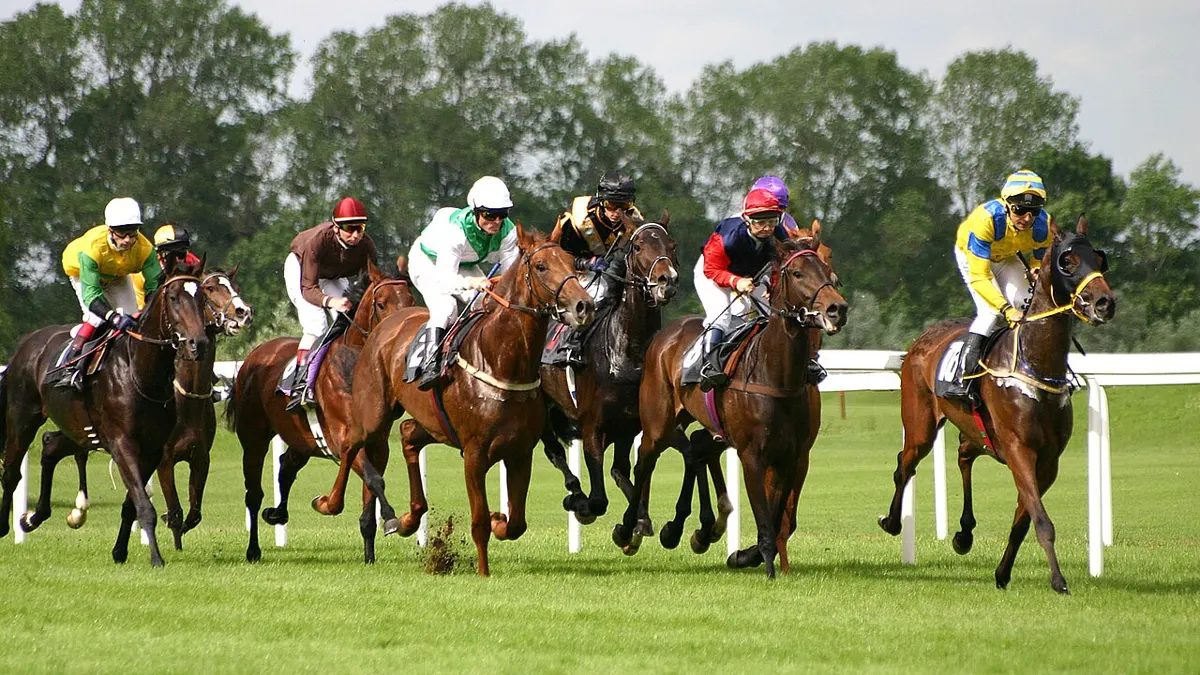
Galway Races week is a proper Irish institution. A week of racing at Ballybrit at the end of July, the Plate, the Hurdle, evening cards, and half the country having "a little interest" in every race. It's also one of the toughest betting weeks of the year, because so many races are big-field handicaps where the bookies' prices are packed with margin and the form is all over the place. These tips won't hand you winners. They'll help you bet the week smarter, keep your money for longer, and enjoy it more.
18+ only. This is general information, not betting or financial advice. We don't name horses, trainers or jockeys, and every price on this page is a made-up example worked out with simple maths. Cloudbet, which we link to, holds a Curaçao licence and is not licensed by the Gambling Regulatory Authority of Ireland (GRAI), so Irish complaint routes don't apply to it. If gambling is causing you bother, Gambling Care is free, confidential and open 24/7 on 1800 936 725 (Northern Ireland: 08000 886 725).
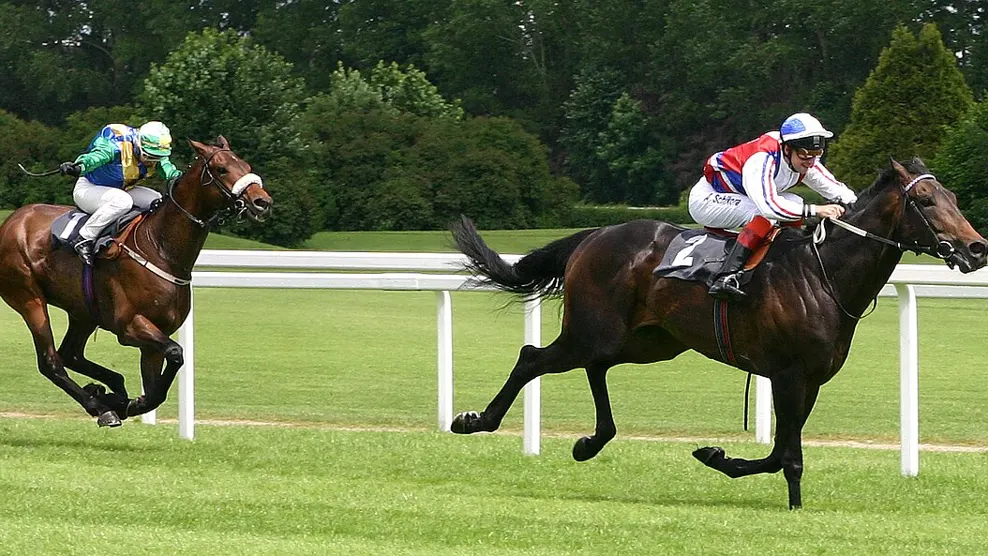
Quick tips for Galway week
- Set a budget for the whole week before Monday, then split it by day. Seven days of racing burns money fast.
- Big-field handicaps are where most of the drama is, and where the bookies' margin is heaviest. Bet fewer races, not more.
- Each-way terms matter more here than almost anywhere. Always compare places and fractions before you bet.
- Watch the ground. A wet Galway week can turn the form upside down.
- Don't treat a big-priced winner as proof of a system. Long shots win at Galway every year, just not the ones most of us back.
- Keep a note of every bet. It's the only honest way to know how your week went.
How the festival week works
The Galway Races summer festival runs for seven days at Ballybrit, just outside Galway city, starting on a Monday at the end of July and finishing the following Sunday in early August. Cards mix jumps races and flat races, and the early part of the week includes evening meetings, so there's racing to bet on almost all week long. The two headline races are the Galway Plate, a valuable handicap steeplechase, and the Galway Hurdle, a valuable handicap hurdle. Both tend to draw big fields and plenty of ante-post betting. Galway also races at other times of year, including an autumn meeting, but the summer week is the one most punters mean.
The track itself is known for being tight, with sharp bends and a stiff uphill run to the finish. That matters: horses that need a long, galloping track to wind up can find it awkward, and position into the home turn can be crucial. Check the racecourse's own guide or a good form service for the details of each trip.
Why Galway handicaps are so hard
A handicap is designed so that, in theory, every horse has a similar chance: better horses carry more weight. Add 18 to 22 runners and you get races where a 20/1 winner surprises nobody. Look at what a typical big-field market can look like:
| Prices in the field (20 runners) | What they add up to |
|---|---|
| 5/1, 6/1, 7/1, 8/1, 10/1, 10/1, 12/1, 14/1, 14/1, 16/1, 16/1, 20/1, 20/1, 25/1, 25/1, 33/1, 33/1, 40/1, 50/1, 66/1 | About 134.5% |
A fair book adds up to 100%. Here, the bookie has built in about 34.5% across the field. That doesn't mean you lose 34.5% on each bet (the margin is spread across runners and you only back one or two), but it does mean that prices on most horses are well short of fair. Big-field handicaps routinely carry overrounds in that sort of range early on, though prices on the day can tighten. Even the 5/1 favourite, once you take the margin out, only has a fair chance of about 12.4%, roughly one race in eight.
The lesson: in a Galway handicap you need either a strong, well-reasoned view or the best price available, ideally both. Throwing a few euro at every race is a reliable way to make the bookies happy.
Each-way at Galway: the terms decide everything
Each-way is the natural bet in big fields, and it's where shopping around pays most. An each-way bet is two bets: one to win and one to place, with the place part paid at a fraction of the win odds. In big handicaps, bookies usually pay four places, and some offer five or more as a promotion. Using the same 20-runner field and a simple model of finishing positions, here's the average return on the place part per €1 at different terms:
| Horse's price | Fair win chance | Fair chance to finish top 4 | Place part, 4 places at 1/5 | Place part, 4 places at 1/4 |
|---|---|---|---|---|
| 5/1 | 12.4% | 44.7% | −10.7% | +0.5% |
| 7/1 | 9.3% | 35.4% | −15.0% | −2.6% |
| 10/1 | 6.8% | 27.1% | −18.6% | −5.1% |
| 14/1 | 5.0% | 20.5% | −22.2% | −7.8% |
| 20/1 | 3.5% | 15.0% | −25.1% | −10.1% |
| 33/1 | 2.2% | 9.5% | −27.9% | −12.2% |
| 50/1 | 1.5% | 6.4% | −29.8% | −13.8% |
Two things stand out. Moving from 1/5 to 1/4 odds a place is worth roughly 10 to 16 percentage points on the place part. And the bigger the price, the worse the place part tends to be in a heavily margined market, because long shots are where the bookie squeezes hardest.
Now add an extra place. Paying five places at 1/5 changes things a lot:
| Horse's price | Fair chance to finish top 5 | Place part, 5 places at 1/5 |
|---|---|---|
| 5/1 | 53.6% | +7.3% |
| 10/1 | 33.8% | +1.5% |
| 20/1 | 19.2% | −4.0% |
| 50/1 | 8.3% | −8.9% |
Extra-place offers on the shorter end of the market can turn the place part from a loser into a small positive. These are model numbers on a made-up race, but the pattern holds: terms first, horse second. Our full guide to each-way betting goes deeper, and best odds guaranteed explains another concession worth having on festival days.
Reading the race: ground, draw and the track
Ground. Irish summers being what they are, Galway week can start on good ground and finish on soft, or the other way round. Some horses are transformed by soft ground; others hate it. Check the official going each morning and again before racing, and be wary of form earned on very different ground.
Draw. In flat races at a tight track, stall position can matter, especially over shorter trips where there's less time to recover from a poor position. Don't assume a bias exists; look at it across several meetings and trips before you lean on it. If you can't find solid evidence, don't let the draw talk you into a bet.
Pace and position. With sharp bends and a short-ish run to the line, horses that race prominently can be hard to pass. A race with lots of front-runners can collapse and suit something coming late. Ask yourself who'll lead and how fast before you pick.
Weight and rating. In handicaps, horses race off their official rating. A horse that has gone up a lot for recent wins may be in the grip of the handicapper. One running off a lower mark than it has won off before might be interesting. Our guide to Irish handicap ratings explains how marks work.
Course form. Some horses handle Galway's bends and climb better than others. Previous good runs at the track are worth noting, but treat them as one clue among many.
Forecasts, tricasts and dutching
Galway's big fields make exotic bets tempting. Know what they cost:
| Horses picked | Combination forecast lines | Combination tricast lines |
|---|---|---|
| 2 | 2 | n/a |
| 3 | 6 | 6 |
| 4 | 12 | 24 |
| 5 | 20 | 60 |
A €1 combination tricast on five horses is a €60 bet. Those payouts can be huge, but the chance of nailing the first three home in a 20-runner handicap is small, so keep stakes tiny.
Dutching means backing several horses in one race so that you get the same return whichever wins. To return €100 on three horses at 6/1, 8/1 and 10/1, you'd stake about €14.29, €11.11 and €9.09, a total of €34.49. That's only worth doing if those three, between them, have a better than 34.5% chance of winning. Dutching doesn't create value; it just spreads your bet across several horses you already like.
18+. Crypto deposits. Cloudbet is licensed in Curaçao and is NOT licensed by the GRAI. Irish gambling law changed in 2026: only GRAI-licensed operators may lawfully take bets from Irish customers. Ad: we may earn a commission. Bet only what you can afford to lose.
A festival budget that lasts the week
Galway week has around seven races a day over seven days. Even a sharp punter can go a long time between winners. If your average bet is at around 7/1 and you pick winners 11% of the time, here's how often you'd go without one at all:
| Bets in a row | Chance of no winner |
|---|---|
| 10 | 31.2% |
| 20 | 9.7% |
| 30 | 3.0% |
And at 7/1 you need to hit 12.5% just to break even, so 11% is still a losing rate. A simple plan:
- Pick a total budget you're happy to lose for the week, say €140.
- Split it by day (€20 a day) and don't borrow from tomorrow.
- Use small, level stakes, maybe €2 to €5 a bet, so a bad day doesn't end your week.
- Pick the races you actually have a view on. Skipping races is allowed.
- If you win, bank some of it. Don't roll the lot into bigger bets on Saturday.
Ante-post on the Plate and the Hurdle
The two big handicaps attract ante-post betting weeks in advance. The appeal is a bigger price if your horse firms up. The risk is that it doesn't run at all: ante-post bets are usually lost if the horse is withdrawn, and handicap entries change a lot as weights come out and plans shift. If you bet early, keep it small and treat it as a separate pot from your festival budget. Some bookies offer non-runner-no-bet concessions closer to the day, which take a lot of the sting out. Read the terms.
On the day: a simple routine
- Check the going and any changes in the morning.
- Narrow each race you care about to a short list based on rating, ground, trip, pace and course suitability.
- Write down roughly what price you'd want for each before looking at the market.
- Compare each-way terms and extra-place offers across bookies.
- Bet only when the price beats your number and the terms are good.
- Note every bet: horse, price, terms, result.
New to racing bets? Our guide to how horse racing betting works covers the basics, and our Punchestown festival tips look at another big week on the Irish calendar.
Mistakes punters make at Galway
- Betting every race on every card because "it's Galway".
- Ignoring each-way terms and taking 1/5 when 1/4 or an extra place is available elsewhere.
- Following hot tips with no idea what a fair price would be.
- Chasing losses in the last race of the evening.
- Piling into forecasts and tricasts with big stakes because the payouts look amazing.
- Forgetting the ground has changed since the morning.
Is betting on horse racing legal in Ireland?
Yes, for adults. The Gambling Regulatory Authority of Ireland (GRAI) licenses bookmakers, and the first remote betting licences commenced on 1 July 2026. GRAI-licensed bookies come with Irish protections and complaint routes. Offshore sites like Cloudbet aren't GRAI-licensed, so those protections don't apply. See our guide to whether online betting is legal in Ireland.
Keep it a bit of fun
Galway week is a social occasion as much as a betting one, and the craic is half the point. Keep it that way: set your budget, stick to it, and don't let a bad Tuesday turn into a bad week. If gambling isn't fun anymore, Gambling Care is free and confidential on 1800 936 725, 24/7 (Northern Ireland: 08000 886 725). Our responsible gambling page has more support.
Our take
The best Galway Races betting tip isn't a horse, it's a method. Bet fewer races, get the best each-way terms you can, respect the ground and the track, and set a budget that lasts all seven days. Big-field handicaps are brilliant to watch and brutal to bet, so pick your spots, keep stakes modest, and let the long shots be a bonus rather than the plan.
Questions players ask
When are the Galway Races?
The Galway Races summer festival runs for seven days at Ballybrit, starting on a Monday at the end of July and finishing the following Sunday in early August. Check the racecourse for the exact dates each year.
What are the big races at the Galway festival?
The headline races are the Galway Plate, a valuable handicap steeplechase, and the Galway Hurdle, a valuable handicap hurdle. Both usually draw big fields.
Is each-way a good bet at Galway?
It can be, but the terms matter a lot. In big-field handicaps, 1/4 odds a place or extra places are worth far more than 1/5 on standard places. Always compare before you bet.
How many places do bookies pay in Galway handicaps?
Big-field handicaps usually pay four places, and some bookies offer extra places as a promotion. Terms vary, so check each bookie.
Why are Galway handicaps so hard to win?
They're built so every horse has a similar chance, fields are big, and the bookies' total margin across the field is high. Long shots win often, but it's hard to pick which.
What happens to an ante-post bet if my horse doesn't run?
Ante-post bets are usually lost if the horse is withdrawn, unless the bookie offers a non-runner-no-bet concession. Read the terms.
Is Cloudbet licensed in Ireland?
No. Cloudbet holds a Curaçao licence and isn't licensed by the Gambling Regulatory Authority of Ireland, so Irish complaint routes don't apply.
Where can I get help with gambling in Ireland?
Call Gambling Care on 1800 936 725, free and confidential, 24/7. In Northern Ireland, call 08000 886 725.
18+. Crypto deposits. Cloudbet is licensed in Curaçao and is NOT licensed by the GRAI. Irish gambling law changed in 2026: only GRAI-licensed operators may lawfully take bets from Irish customers. Ad: we may earn a commission. Bet only what you can afford to lose.
If betting is costing you more than money, free and confidential help is there 24 hours a day, 365 days a year: the Problem Gambling Helpline run by Dunlewey Addiction Services for Gambling Care, on 1800 936 725 (from Northern Ireland: 08000 886 725). Source: grai.ie.