In-Play Betting Tips for Ireland: How Live Odds Really Move in Football, GAA, Tennis and More
Welcome bonus for new players + fast crypto payouts. Just helping a brother out.
18+. Crypto deposits. Cloudbet is licensed in Curaçao and is NOT licensed by the GRAI. Irish gambling law changed in 2026: only GRAI-licensed operators may lawfully take bets from Irish customers. Ad: we may earn a commission. Bet only what you can afford to lose.
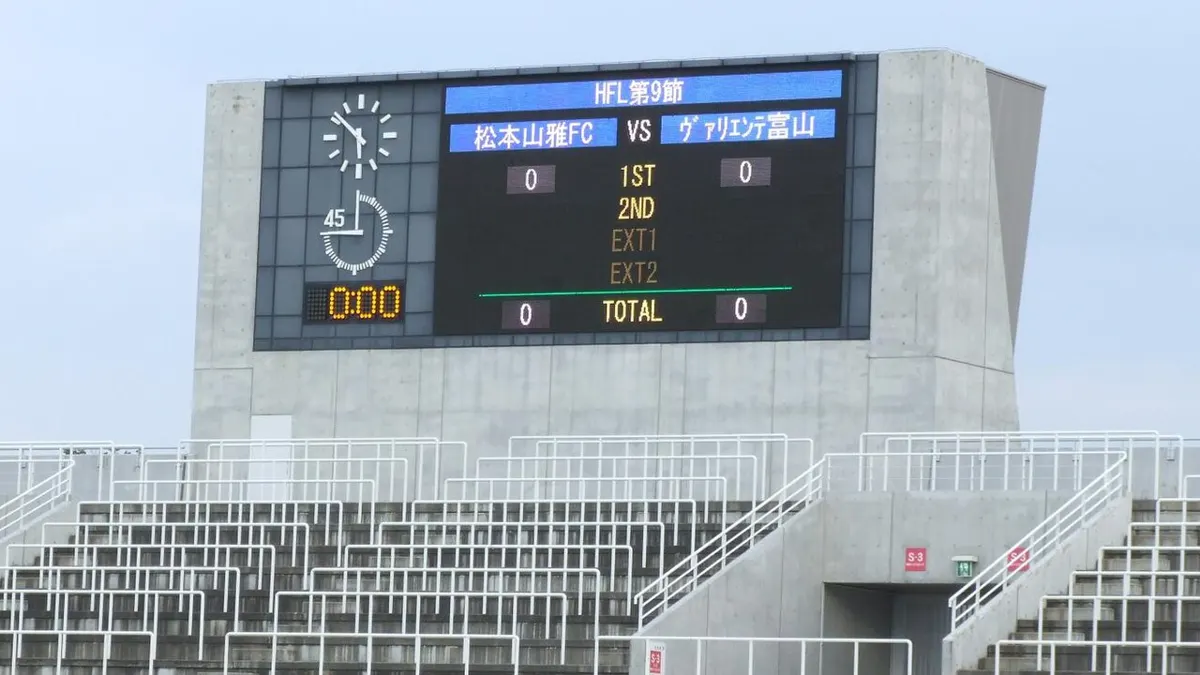
In-play betting, or live betting, means placing bets after a match has started, with prices that change as the game unfolds. It's the fastest-growing way to bet, and it's easy to see why: you can watch the first twenty minutes, form a view, and then bet. But live markets also move fast, carry their own margins, and make it very easy to place far more bets than you meant to. This guide is what a mate who's crunched the numbers would tell you: how live prices actually move, where people go wrong, and a few habits that keep you in control.
18+ only. This is general information, not a tip or a promise of profit. Every team, price and scoreline below is a made-up example, and the probabilities come from simple models we ran with a script. Ireland's regulator, the Gambling Regulatory Authority of Ireland (GRAI), began licensing online betting in 2026. Cloudbet, which we link to, holds a Curaçao licence and is not licensed by the GRAI, so no Irish regulator can help in a dispute. Live betting is fast, and fast betting is where problems often start. If it stops being fun, Gambling Care is free, confidential and open 24/7 on 1800 936 725 (Northern Ireland: 08000 886 725).
The short version
- Live prices follow the clock as much as the action. In football, the draw and the unders shorten every minute nothing happens. That's maths, not a signal.
- Have a pre-match view first. In-play is best used to act on an opinion you already hold when the price moves your way, not to invent opinions on the fly.
- Margins are often wider live. Many live markets carry a bigger built-in cut than the same market before kick-off.
- The pictures you see are behind the real action. Bookies know this and protect themselves with bet delays and suspensions.
- Volume is the hidden cost. Five live bets a match at a 6% margin costs five times what one bet does. Count your bets, not just your stakes.
- Cash out is a convenience, not a bargain. The offer usually sits below the bet's fair value.
- Set a limit before the game starts and stick to it, win or lose.
What in-play betting actually is
Before a match, a bookie sets prices based on everything known in advance. Once the game starts, those prices update constantly using the score, the time left, red cards, injuries and, in many cases, live data on shots, possession or serve. Some bookies update on almost every event; others update in steps. During key moments, such as a penalty being awarded or a set point in tennis, markets usually suspend for a few seconds or longer.
The range of markets is huge: match result, next goal, total goals, both teams to score, correct score, corners, cards, next point, next game, set betting, handicaps and much more. Different sports suit live betting differently, and we'll go through the ones Irish punters bet on most.
Why live prices move the way they do: football
Here's the single most useful thing to understand about live football betting: time itself moves the price. Even if nothing happens on the pitch, every minute that passes makes goals less likely and the current score more likely to stand.
To show this, we built a simple model of a made-up match. The home side is expected to score 1.5 goals and the away side 1.2, with goals spread evenly across 90 minutes and scored at random (a standard way to model football scores, called a Poisson model). Before kick-off, that gives the home side about 44.1%, the draw about 25.5% and the away side about 30.4%. Here's what happens if the score stays 0–0:
| Minute (still 0–0) | Over 2.5 goals | Fair price, over 2.5 | Over 1.5 goals | At least 1 goal | Draw | Fair price, draw |
|---|---|---|---|---|---|---|
| 0 | 50.6% | 1.97 | 75.1% | 93.3% | 25.5% | 3.92 |
| 15 | 39.1% | 2.56 | 65.7% | 89.5% | 28.5% | 3.51 |
| 30 | 26.9% | 3.71 | 53.7% | 83.5% | 32.6% | 3.06 |
| 45 | 15.5% | 6.47 | 39.1% | 74.1% | 39.0% | 2.57 |
| 60 | 6.3% | 15.91 | 22.8% | 59.3% | 49.2% | 2.03 |
| 70 | 2.3% | 43.26 | 12.2% | 45.1% | 59.9% | 1.67 |
| 80 | 0.4% | very long | 3.7% | 25.9% | 75.7% | 1.32 |
| 85 | 0.1% | very long | 1.0% | 13.9% | 86.5% | 1.16 |
Look at over 2.5 goals. It starts as a coin flip. After 30 goalless minutes, it's barely one in four. At half-time it's about one in six. People often see "over 2.5 at 6.00 at half-time" and think it's a big price on a lively game. In our model, that's roughly fair, not a gift.
The draw does the opposite. At 0–0 it shortens steadily. Backing the draw at 2.57 at half-time isn't "getting a good price on the draw"; it's paying the going rate for a goalless first half.
A real-world wrinkle: goals aren't spread evenly
In real football, more goals tend to come in the second half than the first, as legs tire and teams chase results. Our simple model spreads goals evenly. If we instead assume 55% of goals come after half-time, over 2.5 at 0–0 at the break rises from about 15.5% to about 18.7%. Small differences like that are exactly what bookies' live models account for, and why you need more than a gut feeling to find value.
When a team scores
A goal changes everything, and the earlier it comes, the less it settles. Here's how our model sees the home side's chances if they go 1–0 up at different times:
| Home leads 1–0 at minute | Home win | Draw | Away win | Fair price, home |
|---|---|---|---|---|
| 15 | 70.4% | 18.7% | 10.9% | 1.42 |
| 30 | 71.8% | 19.3% | 9.0% | 1.39 |
| 45 | 74.1% | 19.3% | 6.6% | 1.35 |
| 60 | 78.1% | 17.9% | 4.0% | 1.28 |
| 75 | 85.5% | 13.1% | 1.4% | 1.17 |
| 85 | 94.1% | 5.8% | 0.2% | 1.06 |
And here's the same match if the home side, the pre-match favourites, fall 0–1 behind:
| Away leads 0–1 at minute | Home win | Draw | Away win |
|---|---|---|---|
| 15 | 18.7% | 23.3% | 58.0% |
| 30 | 15.0% | 24.1% | 60.9% |
| 45 | 10.9% | 24.2% | 64.9% |
| 60 | 6.4% | 22.4% | 71.1% |
| 75 | 2.2% | 16.3% | 81.5% |
Two lessons. First, an early goal is a big deal but not the end of the story: the leading side still drops points nearly 30% of the time in our model when they score after 15 minutes. Second, our simple model may undersell comebacks, because real teams that go behind often attack harder, which raises scoring rates at both ends. That's one reason "favourite to come back" bets feel more likely than the plain maths suggests. Sometimes they are. Often they're just more memorable.
Red cards
A sending-off shifts the scoring rates for the rest of the match. As a made-up example, suppose the home side gets a red card at 0–0 after 30 minutes, and from then on they score 30% less and concede 25% more than before. In our model, their win chance falls from about 39.1% to about 24.9%, the draw edges up from about 32.6% to 33.5%, and the away side jumps from about 28.2% to 41.6%.
The exact effect depends on the teams and the time left, and live markets usually react within seconds. Unless you're very confident you know better than the market how a specific team copes with ten men, chasing a red-card price move is mostly guesswork. Note too that markets suspend when a card is being shown, so by the time you can bet, the new price already includes it.
Next goal and "the match is opening up"
The next goal market asks which team scores next, with a "no goal" option. In our model at 0–0 after 60 minutes, the home side scores next about 33.0% of the time, the away side about 26.4%, and there's no further goal about 40.7% of the time. That "no goal" chance is bigger than many people expect.
When commentators say a match is "opening up", they mean chances are flowing. That's real information, but it's also exactly what the bookie's live data is tracking. If you're watching on a delayed stream and acting on what you saw a few seconds ago, the price has often moved already.
For pre-match versions of these markets, see our guides to over 2.5 goals, both teams to score and correct score.
Live GAA betting
Gaelic football and hurling are high-scoring compared with soccer, so a lead of a few points can disappear quickly. A useful way to think about live GAA prices is in terms of the expected final margin and how much it might swing over the time left.
We modelled a made-up match where the home side is expected to win by 3 points, with the final margin varying by about 8 points either way as a typical spread (a statistician would call that a standard deviation of 8). Before throw-in, that gives the home side about 62.3% to win, with a draw about 4.6%. Here's how the chances shift with the score and time left:
| Home lead | Time left | Home win | Draw | Home lose |
|---|---|---|---|---|
| +4 | Half the match | 81.2% | 4.4% | 14.4% |
| Level | Half the match | 57.0% | 6.8% | 36.2% |
| −4 | Half the match | 29.8% | 6.4% | 63.8% |
| +4 | A quarter | 85.6% | 4.9% | 9.5% |
| −3 | A quarter | 24.6% | 8.5% | 66.9% |
| +2 | About a tenth | 76.2% | 10.4% | 13.4% |
Notice how a 4-point half-time lead still leaves the trailing side alive about one time in seven. In hurling especially, with goals worth three points, leads that look comfortable can vanish in a few minutes. Note the draw chance rising late in tight games, too: with a 2-point lead and only a few minutes left, a draw still comes up about one time in ten in our model. Remember that knockout championship matches may go to extra time or other tie-breaks, and bets are usually settled on the result at the end of normal time unless the market says otherwise. Check the rules for each market.
Live GAA markets can be thinner than soccer markets, with fewer options and wider margins. Our hurling tips and weekend GAA guide cover the pre-match side.
Live tennis: serve, breaks and why sets swing
Tennis is one of the most popular live betting sports because it has clear stages: points, games, sets. It's also a sport where small changes in serve strength have big effects.
How often does a server hold?
If a player wins a given share of points on their own serve, here's how often they hold their service game:
| Points won on serve | Service games held |
|---|---|
| 55% | 62.3% |
| 60% | 73.6% |
| 65% | 83.0% |
| 70% | 90.1% |
A modest jump in points won on serve makes a big jump in holds. That's why a break of serve is such a big deal in strong servers' matches and much less so between weaker servers.
A made-up match
Player A wins 65% of points on serve, Player B wins 62%. In our model, A wins a set about 59.9% of the time and a best-of-three match about 64.6%. If A loses the first set, A's chance falls to about 35.9%. If A wins it, it rises to about 83.9%.
Within a set, the swings are big too. If A trails 1–3 with a break against them and is about to serve, A wins that set only about 23.0% of the time. If A leads 3–1 with B about to serve, A wins the set about 87.7% of the time. At 4–4 with A serving, it's about 56.8%.
The lesson: in tennis, the market's reaction to a single break is often about right, because breaks really are that important. Where people go wrong is assuming a player who's a set down is "due" to come back. They might be, but it depends on whether the first set told you something new about how well they're serving and returning that day.
Our tennis betting guide goes deeper, and our snooker guide uses the same "small edges add up" idea with frames.
Live rugby, racing and the rest
- Rugby. Scores come in 3, 5 and 7 point chunks, so handicap and total markets jump in steps. A yellow card means ten minutes a player down, which live markets price quickly. See our URC guide and Six Nations tips.
- Horse racing. In-running betting happens mostly on betting exchanges, where prices move second by second during the race. Picture delays matter enormously here, and it's a market dominated by fast, well-equipped traders. Our Cheltenham live betting tips look at racing specifically, and our exchanges guide explains how exchanges work.
- Darts and snooker. Structured like tennis, with legs, sets and frames. Live prices follow the score closely, and the format length matters a lot.
- Basketball and American sports. High scoring, lots of momentum swings, and late-night start times for Irish viewers. Tiredness is a real factor in your decisions, not just the players'.
Live basketball: big leads aren't always safe
Basketball is high scoring with lots of possessions, so live prices move constantly. We modelled a made-up game where the favourite is expected to win by 5 points, with the final margin typically varying by about 12 points either way. Before tip-off that gives the favourite about 66.2%.
| Favourite's lead | Time left | Favourite wins |
|---|---|---|
| Level | Half the game | 61.6% |
| −8 | Half the game | 25.8% |
| +10 | A quarter | 97.0% |
| −10 | A quarter | 7.2% |
| +4 | About a tenth | 88.2% |
An 8-point half-time deficit still leaves the favourite about one in four in our model. But a 10-point deficit going into the last quarter is a real hole. Live basketball prices are driven by fast data feeds, so the edges for ordinary punters are slim. The bigger risk for Irish viewers is that many American games tip off late at night or in the small hours here, and tired betting is bad betting.
Live corners and cards: easy to bet, hard to beat
Corner and card markets are popular in-play because they settle quickly and feel controllable. The maths is similar to goals: the count so far plus what's likely in the time left. Using a made-up match expected to have 10 corners in total, spread evenly:
| Minute | Corners so far | Over 9.5 corners | Over 10.5 corners |
|---|---|---|---|
| 30 | 3 | 50.0% | 35.2% |
| 45 | 5 | 56.0% | 38.4% |
| 60 | 6 | 42.7% | 24.4% |
| 60 | 8 | 84.5% | 64.7% |
| 75 | 8 | 49.6% | 23.4% |
| 80 | 9 | 67.1% | 30.5% |
The tables show how sensitive these markets are to a single corner. Two extra corners by the hour mark (8 instead of 6) takes over 9.5 from about 43% to about 85%. That sensitivity cuts both ways: one corner either way can flip the bet, so the result is close to random from one game to the next. These markets also tend to carry wider margins than the main result or goals markets. They're fine for a bit of fun at small stakes, but they're rarely where a punter finds a lasting edge.
Card markets have an extra twist: they depend heavily on the referee and on how heated the match gets, and many bookies settle on "booking points" with their own rules on second yellows and reds. Read the settlement rules before betting.
Both teams to score, live
Both teams to score (BTTS) shifts sharply depending on whether one team has already scored. In our made-up match, BTTS starts at about 54.3% before kick-off. At 0–0 it falls to about 34.8% after 30 minutes, about 23.8% at half-time and about 13.0% after an hour, because both teams still need to score.
Once the home side leads 1–0, only the away side needs a goal, so the picture changes:
| Home leads 1–0 at minute | BTTS yes | Fair price |
|---|---|---|
| 15 | 63.2% | 1.58 |
| 30 | 55.1% | 1.82 |
| 45 | 45.1% | 2.22 |
| 60 | 33.0% | 3.03 |
| 75 | 18.1% | 5.52 |
Notice that an early home goal actually makes BTTS more likely than it was before kick-off, because one half of the bet is already done. People sometimes miss that and assume a goal for one side is bad for "both teams to score".
Hedging a pre-match bet in-play
Sometimes the best use of live markets is to manage a bet you already have. Made-up example: you backed the home side at 3.00 with €10 before kick-off, so a win returns €30. They lead 1–0 with 15 minutes left. Our model gives them about 85.5% to win from there.
- Let it ride: your expected profit is about €15.65 (85.5% of €30, minus the €10 stake), but there's a 14.5% chance you get nothing back.
- Hedge: suppose you can back "draw or away win" at 6.00. Staking €5 on it locks in a profit of €15.00 whatever happens: if the home side win, €30 back minus €15 staked; if they don't, €30 from the hedge minus €15 staked.
The hedge costs you about €0.65 in expected value in exchange for certainty. Whether that's worth it is personal. If the money matters to you right now, a small cost for certainty can be sensible. If it's betting money you can afford to lose, letting good bets ride is usually better value over time. Either way, a manual hedge like this often beats the bookie's cash-out offer, which is typically priced a little lower again.
Live betting on exchanges
On a betting exchange you bet against other people, not the bookie, and the exchange takes a commission on net winnings. In-play exchange markets on big events can be very liquid, with back and lay prices close together. A made-up example: backing at 3.10 on an exchange that charges 2% commission on winnings works out like a bookie price of about 3.06. If a bookie is offering 3.00 on the same outcome, the exchange is better value even after commission.
The flip side is that exchanges are where the fastest, best-informed traders operate, especially in racing and tennis. If you're watching on a delayed stream, they're seeing things before you. Our exchanges guide explains back and lay bets in full.
Settlement rules worth knowing before you bet live
- 90 minutes means 90 plus stoppage time. Most football markets ignore extra time and penalties unless they say otherwise.
- Knockout GAA and cup ties. Check whether a market includes extra time, a replay or a penalty shoot-out. Rules differ between bookies and competitions.
- Abandoned matches. Many bookies void unsettled bets if a match is abandoned, but bets on markets already decided (say, first-half goals after a completed first half) may still stand.
- VAR and disallowed goals. Markets usually suspend during a check. Bets placed in a window where the bookie shows a wrong score can be voided under their "palpable error" or delayed-information rules.
- Retirements in tennis. If a player retires injured, some bookies settle match bets once a set is completed; others need the match finished. This one catches people out all the time.
- Dead heats and pushes. Whole-number lines (like over 2 goals) can push and return your stake; Asian lines split stakes.
Our Asian handicap guide explains quarter and whole-number lines.
The margin you pay live
Every market has a built-in bookie cut, called the margin or overround. You can measure it by adding up the implied chance of each outcome (1 divided by the decimal price). Some made-up examples of live three-way football prices:
- 2.10 / 3.10 / 3.90 adds up to about 105.5%, a margin of about 5.5%.
- 1.45 / 3.60 / 8.00 adds up to about 109.2%, a margin of about 9.2%.
- 2.60 / 2.90 / 3.20 adds up to about 104.2%, a margin of about 4.2%.
And a two-way example: over/under at 1.90 / 1.90 before kick-off has a margin of about 5.3%. If the same market is 1.80 / 1.95 live, it's about 6.8%. Our odds calculator works this out for you in a second.
Margins on live markets vary a lot by bookie, sport and market. As a broad pattern, the main live markets on big football matches are tightest, while niche live markets (next corner, next card, exact minute of a goal) are often much wider.
The hidden cost: how many bets you place
This is the part most in-play guides skip. Live betting doesn't just change prices; it changes how often you bet. Watching a match with a betting app open makes it very easy to have three, five or ten bets on one game.
Here's the expected cost of a season of 38 matches at €5 a bet, if every bet carries a margin of 4% or 6%:
| Bets per match | Expected cost at 4% margin | Expected cost at 6% margin |
|---|---|---|
| 1 | €7.60 | €11.40 |
| 3 | €22.80 | €34.20 |
| 6 | €45.60 | €68.40 |
| 10 | €76.00 | €114.00 |
That's the cost for an average punter with no edge. Same stake, same sport, same team: ten times the bets means ten times the expected loss. If you take one thing from this guide, make it this: count your bets.
Picture delays, bet delays and suspensions
When you watch on TV or a stream, you're seeing the action a little after it happens. Streams are usually further behind than broadcast TV. Meanwhile, the bookie's data feed is often faster than your pictures. That means:
- You're rarely the first to know. By the time you see a big chance, the price may already reflect it.
- Bookies add a bet delay. After you press "place bet", there's often a pause of several seconds before it's accepted. If something happens in that window, the bet may be rejected or the price changed.
- Markets suspend at key moments. Penalties, VAR checks, red cards, break points and set points often trigger a suspension.
- Accepting price changes automatically is risky. Many apps have a setting to accept any price change. It's convenient, but it can mean getting a worse price than you thought.
Some people try to beat the delay by betting from inside the ground or using faster feeds. Bookies watch for this, and it can get accounts restricted or bets voided under their terms. It's not a strategy for the rest of us.
Cash out: what you're really being offered
Cash out lets you settle a bet early for a set amount. It's handy, but it's priced to favour the bookie. Made-up example: you've a bet that will return €100 if it wins, and right now it has a true 70% chance of winning. Its fair value is €70. If the cash-out offer is €63, you're giving up 10% of the bet's value for the convenience.
That doesn't mean cash out is always wrong. If your circumstances change, or you genuinely need to reduce risk, it can make sense. But cashing out every time you get nervous is a steady leak. Our cash out guide covers partial cash out, hedging yourself, and when each makes sense.
In-play tips that actually hold up
- Form your view before kick-off. Decide what you think will happen and what prices would interest you. In-play is where you wait for those prices, not where you invent new opinions.
- Write down your trigger. For example: "If the favourite is level at half-time and the price drifts above 2.40, I'll consider a small bet." Then you're acting on a plan, not a mood.
- Know the time decay. Draws and unders shorten every minute; overs and late goals lengthen. Don't mistake that drift for value.
- Watch for genuine new information. An injury to a key player, a tactical change, a weather shift. The scoreline alone is already in the price.
- Compare the live price to the pre-match price and ask what changed. If nothing important did, the move may be just the clock.
- Prefer main markets on big matches. They tend to have tighter margins than niche live markets.
- Use fixed, small stakes. Live betting is not the place to increase stakes because you "feel" something.
- Cap your number of bets per match. One or two is plenty for most people.
- Don't bet late at night when tired. That's when the worst decisions happen.
- Stop when your limit is reached. Close the app. The next match will still be there tomorrow.
Common in-play mistakes
- Chasing. Losing a pre-match bet and then betting live to win it back. This is the most common route from a bit of fun to a real problem.
- Betting on momentum alone. A team "pushing for an equaliser" is already priced in. Pressure doesn't always produce goals.
- Treating long prices as value. Over 2.5 at 6.00 at half-time of a 0–0 game looks big, but in our model it's about fair.
- Doubling up after a goal against you. Adding to a losing position because the price is "even better now".
- Forgetting extra time and settlement rules. Most football bets settle on 90 minutes plus stoppage time. Knockout GAA and cup ties have their own rules.
- Ignoring the margin. Niche live markets can carry margins of 10% or more.
- Using accept-all price changes. You may end up with a price you'd never have chosen.
- Betting on every match on the screen. More bets means more margin paid.
What chasing does to a season
We simulated 20,000 seasons of 38 matches with a simple rule: a €5 live bet per match at 1.95, where the true chance is set so the bookie has about a 5% edge on each bet. We compared two punters:
- The planner places one €5 bet per match and stops, win or lose.
- The chaser doubles the stake after each loss within the same match, up to four bets (€5, €10, €20, €40), stopping at the first win.
| Planner | Chaser | |
|---|---|---|
| Average total staked | €190.00 | €788.90 |
| Average result | −€9.65 | −€37.84 |
| Seasons ending ahead | 37.1% | 50.5% |
| Bottom 10% of seasons | −€43.80 or worse | −€225.50 or worse |
| Top 10% of seasons | +€24.50 or better | +€92.50 or better |
| Chance of losing more than €100 | 0.1% | 26.3% |
Here's the trap in plain words. The chaser ends a season ahead more often, about half the time, because doubling up wins back small losses most matches. That feels like it works. But the average loss is about four times bigger, and roughly one season in four ends more than €100 down, compared with almost never for the planner. Chasing swaps lots of small wins for the occasional heavy loss, and the margin is quietly charged on every euro staked along the way.
Making a live-betting plan you'll actually use
A short note before kick-off makes a huge difference. Here's a simple template:
| Item | Example |
|---|---|
| Match and competition | Home v Away, league match |
| My pre-match view | Home slightly better than the market says |
| Pre-match bet? | None at 2.10 |
| Live trigger | 0–0 at half-time and home on top: back home at 2.80 or longer |
| Stake per bet | €5 |
| Max bets this match | 2 |
| Max total on this match | €10 |
| Things that would change my mind | Key player off injured, early red card |
If the trigger never comes, you don't bet. That's not a wasted afternoon; it's the plan working.
18+. Crypto deposits. Cloudbet is licensed in Curaçao and is NOT licensed by the GRAI. Irish gambling law changed in 2026: only GRAI-licensed operators may lawfully take bets from Irish customers. Ad: we may earn a commission. Bet only what you can afford to lose.
Keeping records
Live bets are easy to forget, which makes them easy to underestimate. Log every one: the match, the minute, the score, the market, the price, the stake, your estimated chance, and the result. Once a month, add up how many live bets you placed, the total staked and the result. Most people are surprised by the first number.
A useful extra column is "planned or impulse?". If your impulse bets lose more than your planned ones, which is very common, you have your answer about which ones to cut.
Myths about in-play betting
- "A goal is due." Goals don't become more likely because there haven't been any. If anything, a goalless match often tells you the game is tighter than expected.
- "Bookies are slow to react." Their data feeds are usually faster than your pictures. Being "faster than the bookie" from your sofa is very rare.
- "The comeback is on." Sometimes. But favourites trailing late win far less often than it feels, and in our model a home favourite 0–1 down after 60 minutes wins only about 6.4% of the time.
- "Cash out means I can't lose." It means you settle for less than the bet is worth on average.
- "Live betting is skill, pre-match is luck." Both are mostly about price. Live betting just gives you more chances to pay the margin.
- "I'll just have one more." The most expensive four words in betting.
Your phone settings matter
A few small changes make live betting calmer and cheaper:
- Switch off price-change acceptance unless you've a good reason, so you always see the price you're agreeing to.
- Turn off push notifications for live prices and "boosts".
- Set deposit limits for a day, week and month.
- Use reality checks that remind you how long you've been logged in.
- Don't save one-click betting if you find it hard to stop.
- Keep betting money separate from everyday money, whether that's a separate account or a separate wallet for crypto.
Irish teams and your heart
Live betting on your own county, club or country is where the head and heart pull hardest. When your team goes a goal down, the urge to back them to come back is natural, and it's exactly the moment the price is least likely to be generous, because plenty of other fans feel the same. A simple rule many people find useful: no live bets on your own team, or a fixed tiny stake if you must. Enjoy the match as a fan first.
Staking for live bets
The Kelly formula gives a theoretical maximum stake based on your edge. At a price of 1.95, it suggests about 3.53% of your bank if your real chance is 53%, 7.63% at 55%, and 11.74% at 57%. Very few people can estimate live chances that precisely, so most experienced bettors use a fraction of Kelly, or simply a flat 1% to 2% of their betting money per bet.
For live betting, there's an extra rule worth adopting: a per-match cap. Decide the most you'll stake on one match in total, live and pre-match combined. It's the easiest way to stop one bad afternoon becoming a bad month. Our bankroll management guide has templates.
A worked Saturday: Limerick, one plan, two bets
Made-up example. Ciarán in Limerick has €20 for a Saturday afternoon of football. Before kick-off he looks at a match where he thinks the home side are a bit stronger than the market says, but he's not confident enough to bet at the pre-match price of 2.10.
- His plan: if it's 0–0 at half-time and the home side are playing as well as he expects, he'll consider backing them if the price drifts to about 2.80 or longer. Our model would put a fair price nearer 2.85 in that spot (about 35.1% at half-time), so he'll want a bit more than that for value, and he'll only bet if he believes the home side are better than the model's 1.5 vs 1.2 split.
- At half-time: it's 0–0 and the home side are well on top. The price is 3.10. He bets €5.
- Second half: the away side score on 60 minutes. The home price jumps to around 15. His mate says "fill your boots". He doesn't. His plan had one bet and a €10 cap per match.
- Later: the home side equalise. He's tempted by the draw at short odds to "lock in" something. He checks his notes: that wasn't the plan either.
- Result: 1–1. He loses €5 and still has €15 of his budget. He has one more bet on a later game where his pre-match trigger hits, loses that too, and calls it a day at €10 down.
Not a winning day. But a controlled one, which is what matters over a season.
How bookies build live prices
It helps to know what you're up against. A modern live price usually comes from a model much like the simple ones on this page, only far more detailed. It starts from the pre-match prices, then updates using the score, the clock, cards, and often live data such as shots, dangerous attacks, possession in the final third or points won on serve. Many bookies buy these prices from specialist suppliers, which is why live odds at different bookies often move together.
On top of the model, the bookie adds its margin and sets limits on how much it will accept. It also adds safety features: suspensions at key moments, bet delays and rules for voiding bets placed on out-of-date information. None of that is sinister; it's how they protect themselves from people with faster information. But it does mean that the easy-looking opportunities you spot while watching are, most of the time, already in the price.
Where can an ordinary punter still have an edge? Mostly in two places: knowing a particular team, league or player better than a general model does, and having the patience to only bet when the price comes to a number you decided on in advance.
Draw no bet and Asian handicaps in-play
Draw no bet returns your stake if the match is drawn, so it's a way to back a side without fearing the draw. In our made-up match at 0–0, here's the home side's draw-no-bet chance (ignoring draws) and fair price as the clock runs:
| Minute (0–0) | Home wins, if not a draw | Fair draw-no-bet price | Chance the stake comes back (draw) |
|---|---|---|---|
| 0 | 59.2% | 1.69 | 25.5% |
| 45 | 57.5% | 1.74 | 39.0% |
| 60 | 56.8% | 1.76 | 49.2% |
| 75 | 56.2% | 1.78 | 67.0% |
The draw-no-bet price barely moves while the match stays level, but the chance of simply getting your money back rises fast. Late in a level game, a draw-no-bet bet is mostly a bet that ends with your stake returned. That's fine, but be clear about what you're buying. The Asian handicap level line (0) works the same way; the −0.5 line is the plain match result.
Live darts: the throw matters
Darts is structured like tennis: the player throwing first in a leg has an advantage, much like a server. We modelled a match of first to 6 legs, with players alternating the throw and Player A starting:
| A wins legs on own throw | B wins legs on own throw | A wins match | A from 2–4 down | A from 4–2 up |
|---|---|---|---|---|
| 60% | 60% | 52.5% | 20.7% | 84.3% |
| 65% | 60% | 60.1% | 24.7% | 87.8% |
| 70% | 55% | 72.9% | 32.9% | 92.1% |
Even between equal players, throwing first is worth a little. And a 2–4 deficit in a short match leaves a slightly better player alive only about one time in four. Our darts betting guide covers sets, legs and checkouts.
Live accumulators and bet builders
Many apps now let you combine live selections or build multi-part bets on one match while it's running. They're fun, but the margins multiply. If each leg carries a margin, the combined bet's expected loss grows quickly:
| Legs | 4% margin per leg | 6% margin per leg | 8% margin per leg |
|---|---|---|---|
| 2 | −7.5% | −11.0% | −14.3% |
| 3 | −11.1% | −16.0% | −20.6% |
| 4 | −14.5% | −20.8% | −26.5% |
Those are expected losses per euro staked for someone with no edge. Same-match combinations can be worse still, because the bookie also has to price how the parts relate to each other, and that pricing usually leans in its favour. Our bet builder guide and accumulator explainer go into more detail.
What to actually watch for during a match
If you're going to bet live, use your eyes for things the scoreline doesn't show:
- Quality of chances, not just number. Ten shots from 30 yards aren't the same as three clear one-on-ones. This is the idea behind "expected goals" (xG), a measure of how likely each shot was to score.
- Game state. Teams that go ahead often sit deeper, which can lower the scoring rate. Teams chasing a game take more risks, raising it at both ends.
- Substitutions and formation changes. An attacking change from a manager who's behind is information. So is a defensive one from a manager protecting a lead.
- Injuries and fitness. A key player limping but staying on can matter more than the market notices for a few minutes.
- Weather and pitch. Heavy rain, wind and a poor surface affect passing and shooting, and they can change during a match.
- In tennis, serve speed and first-serve percentage. A player whose first serve drops off may be carrying a problem.
Even then, be honest. If you can't say what the price should be before you see it, you're guessing, not analysing.
When pre-match is better than live
- When you've a clear view before kick-off and the pre-match price already beats your number. Waiting rarely gets you a better price on a view the market doesn't share.
- When live margins on your market are wide. Pre-match main markets often have tighter margins.
- When you can't watch. Betting live from a score app with no pictures leaves you reacting to the scoreline only, which is already in the price.
- When you're tired, distracted or a few drinks in. A pre-match bet placed calmly in the morning is usually a better bet.
And live is better when the match gives you information you genuinely couldn't have had before kick-off: a surprise team selection that only becomes clear from the shape, a key player clearly struggling, or the weather turning.
Irish viewing times
Ireland and the UK share a time zone, so British and Irish football, rugby, racing, darts and snooker all fall at friendly hours. Saturday and Sunday afternoons are busy with football, racing and, in summer, GAA championship games. Many League of Ireland matches are played on Friday evenings. European competitions fall on weekday evenings. American sports, from the NFL to the NBA, often start in the evening or late at night Irish time, and some finish after midnight. The later it is, the more important your pre-set limits become.
Warning signs to watch for in yourself
- You bet on matches you'd never normally watch, just to have something on.
- You're placing more live bets per match than you used to.
- You raise stakes after losses to win it back quickly.
- You feel restless or irritable when you can't bet during a game.
- You hide how much you bet from people close to you.
- You use money meant for bills, rent or essentials.
If any of these sound familiar, it's worth pausing, setting tighter limits or taking a break with a self-exclusion tool. Talking helps too: Gambling Care on 1800 936 725 is free, confidential and open around the clock.
Choosing where to bet live
Not every sportsbook is equally good for in-play. Before relying on one, try it on a quiet match with a tiny stake and check:
- Which sports and markets are offered live. Big football leagues are covered almost everywhere; GAA, League of Ireland, darts and snooker coverage varies a lot.
- How long the bet delay is. A few seconds is normal. Very long delays with frequent rejections make live betting frustrating.
- How often markets suspend. Some books suspend for every attack, which leaves you few chances to bet at a sensible moment.
- The margins on the markets you use. Add up the implied chances on a few live markets and compare with other books.
- Maximum stakes. Live limits can be lower than pre-match, especially on smaller events.
- Settlement rules for retirements, abandonments and extra time.
- Responsible gambling tools. Deposit limits, time-outs, reality checks and self-exclusion should be easy to find and use.
Comparing two or three books over a few weeks tells you far more than any review. And remember the licensing point: a book licensed outside Ireland, such as Cloudbet with its Curaçao licence, isn't covered by the GRAI's complaint routes.
A simple weekend routine
- Friday evening: look at the weekend's fixtures. Pick no more than two or three matches you'll actually watch.
- Write your notes: pre-match view, any pre-match bet, live triggers, stake, per-match cap.
- Set your weekend budget and, if your bookie allows it, a matching deposit limit.
- Fund your account once, before the first match, so you're not topping up mid-game.
- Watch with the plan open. Bet only when a trigger hits.
- Log every bet as you place it.
- Sunday night: review. How many bets, how many planned, how many impulse, and the result. Adjust next week's plan.
It sounds a bit formal for a bit of fun. But the people who enjoy betting for years are usually the ones with some version of this routine, and the people who get into trouble rarely have one.
Live rugby: the ten-minute window
A yellow card in rugby means ten minutes with fourteen players, and teams often concede in that window. Live markets react straight away, shifting both the match handicap and the total points. Because tries are worth five or seven points, a single score in a sin-bin period can move the handicap line by several points. If you know how a particular side copes defensively a player down, that's the kind of specific knowledge a general model may not fully capture. If you don't, the price change is usually about right, and chasing it is guesswork. Close matches late on also bring penalty kicks into play, so the last ten minutes can swing a tight handicap more than people expect.
In-running racing: why it's mostly for specialists
Betting during a horse race happens in seconds, mostly on exchanges. Prices on a horse can swing from long odds to odds-on and back within one furlong. The people who do well in-running usually have fast, low-delay pictures, years of experience reading how horses travel, and the discipline to stake small and often. Watching on a delayed stream from your phone puts you at the back of that queue. If you enjoy racing, you'll usually get better value forming a view before the off, using each-way terms where they help, and keeping in-running for the odd small bet when you truly know a course and a horse well. Our each-way guide explains how place terms work.
Live betting with crypto
If you use a crypto sportsbook for live betting, a few practical things change:
- Fund before the match. Crypto deposits need network confirmations, which can take minutes. Waiting for a deposit to land mid-match is a recipe for rushed bets.
- Price risk. If you hold Bitcoin in your account, its euro value moves while you bet. A stablecoin like USDT takes most of that out, though it then moves with the euro–dollar rate. See how to bet with USDT in Ireland.
- Fees. Network fees on frequent small deposits and withdrawals add up. Fewer, planned transfers are cheaper.
- Withdrawals. Cloudbet says withdrawals are typically processed within about 24 hours, with any fee shown before you confirm, and identity checks can apply after roughly US$2,200 in total, based on what we read when we checked. Terms can change. See our Cloudbet KYC page.
- Coverage and limits. Live markets offered, bet delays and maximum stakes differ between sportsbooks. Check them on a quiet match before relying on them for a big one.
Is live betting legal in Ireland?
Yes, for adults. Under the Gambling Regulation Act 2024, the GRAI opened licence applications in February 2026, and the first remote betting licences commenced on 1 July 2026. Cloudbet holds a Curaçao licence and isn't licensed by the GRAI, so Irish complaint routes don't apply to it. That's a real trade-off, and it's your call. Our Irish betting law guide explains the rules in plain words.
On tax, betting winnings for individual punters in Ireland are generally not taxed, but gains on crypto itself may be subject to capital gains tax. Check with Revenue or a tax adviser. See our page on crypto betting and tax in Ireland.
In-play glossary
- In-play / live betting: betting after an event has started.
- Suspension: when a market is temporarily closed, usually around key moments.
- Bet delay: the pause between placing a live bet and its acceptance.
- Margin / overround: the bookie's built-in cut, seen when implied chances add up to more than 100%.
- Cash out: settling a bet early for an amount the bookie offers.
- Hedging: placing an opposite bet to reduce risk on an existing one.
- Next goal: a market on which team scores next, usually with a "no goal" option.
- Hold / break: in tennis, winning or losing a game on your own serve.
- Time decay: the way prices drift as the clock runs down with no change in score.
- In-running: the racing term for betting during a race.
Quick checklist before a live bet
- Did I have a view on this match before it started?
- Has something genuinely new happened, or is it just the clock?
- What's the margin on this market?
- Is this price better than my own fair number?
- Is this within my per-match cap and bet count?
- Am I calm, sober and awake?
- Would I be happy with this bet if I'd planned it before kick-off?
Keep it fun
In-play betting is the fastest form of sports betting, and speed is where control slips. Use the tools your bookie offers: deposit limits, time-outs, reality checks and self-exclusion. Turn off push notifications for live prices. Take breaks. If you notice you're betting to win back losses, or betting on matches you don't care about just to have something on, that's the time to stop and talk to someone. Gambling Care on 1800 936 725 is free and confidential, and our responsible gambling page has more help.
My take
Live betting is a great tool when it's used the right way: as a place to act on a view you already hold when the price comes to you. Used the wrong way, as a constant stream of bets on whatever's on the telly, it's simply the quickest way to pay a lot of margin. Learn how the clock moves prices, respect the delays, keep a tight cap on bets per match, and don't ever chase. Do that, and in-play can add a bit of thinking and fun to a match without taking over your weekend.
Questions players ask
Why do live football prices change when nothing happens?
Because time is running out. Every minute without a goal makes the current score more likely to stand, so the draw and the unders shorten and the overs lengthen even if the play looks the same.
Is live betting better than pre-match betting?
Neither is better on its own. Live betting is useful when the match gives you information you couldn't have had before kick-off and the price moves to a number you planned for. Pre-match is often better when you already have a clear view and the margins are tighter.
What is draw no bet in live betting?
Draw no bet returns your stake if the match ends level. Late in a level game, the chance of a draw is high, so a live draw-no-bet bet often ends with your stake simply returned.
What is in-play betting?
In-play, or live, betting means placing bets after a match has started. Prices update as the game goes on, based on the score, the time left and other events like red cards.
Why does the draw keep getting shorter in a 0-0 game?
Because every minute without a goal makes it more likely the score stays level. In our model of a made-up match, the draw goes from about 25.5% at kick-off to about 39.0% at half-time and about 49.2% after 60 minutes at 0-0. That's maths, not a hint.
Is over 2.5 goals at half-time at 0-0 good value?
Usually it's priced about right. In our model, over 2.5 at 0-0 at half-time comes in about 15.5% of the time, a fair price of about 6.47. Real matches score a bit more in the second half, which nudges that up, but there's rarely a free lunch.
Is cash out a good idea?
It's convenient but usually priced below fair value. In our example, a bet worth €70 at fair value was offered €63 to cash out, a 10% cut. Use it when you genuinely need to reduce risk, not as a habit.
Why do live bets get rejected?
Bookies add a short delay before accepting live bets and suspend markets at key moments. If something happens in that window, the bet can be rejected or the price changed.
Is live betting legal in Ireland?
Yes, for adults. The GRAI began licensing online betting in 2026. Offshore crypto sportsbooks like Cloudbet, licensed in Curaçao, are not GRAI-licensed, so Irish complaint routes don't apply.
How many live bets should I place per match?
As few as possible. Each bet pays the bookie's margin, so ten bets per match cost about ten times as much as one. One or two planned bets per match, within a set cap, is a sensible habit.
18+. Crypto deposits. Cloudbet is licensed in Curaçao and is NOT licensed by the GRAI. Irish gambling law changed in 2026: only GRAI-licensed operators may lawfully take bets from Irish customers. Ad: we may earn a commission. Bet only what you can afford to lose.
If betting is costing you more than money, free and confidential help is there 24 hours a day, 365 days a year: the Problem Gambling Helpline run by Dunlewey Addiction Services for Gambling Care, on 1800 936 725 (from Northern Ireland: 08000 886 725). Source: grai.ie.